Medical Illustrations of Pregnancy Often Omit Head and Neck
A long-standing tradition in medical illustrations has been to depict pregnancy as a simplified representation, focusing on the uterus, placenta, and growing belly.
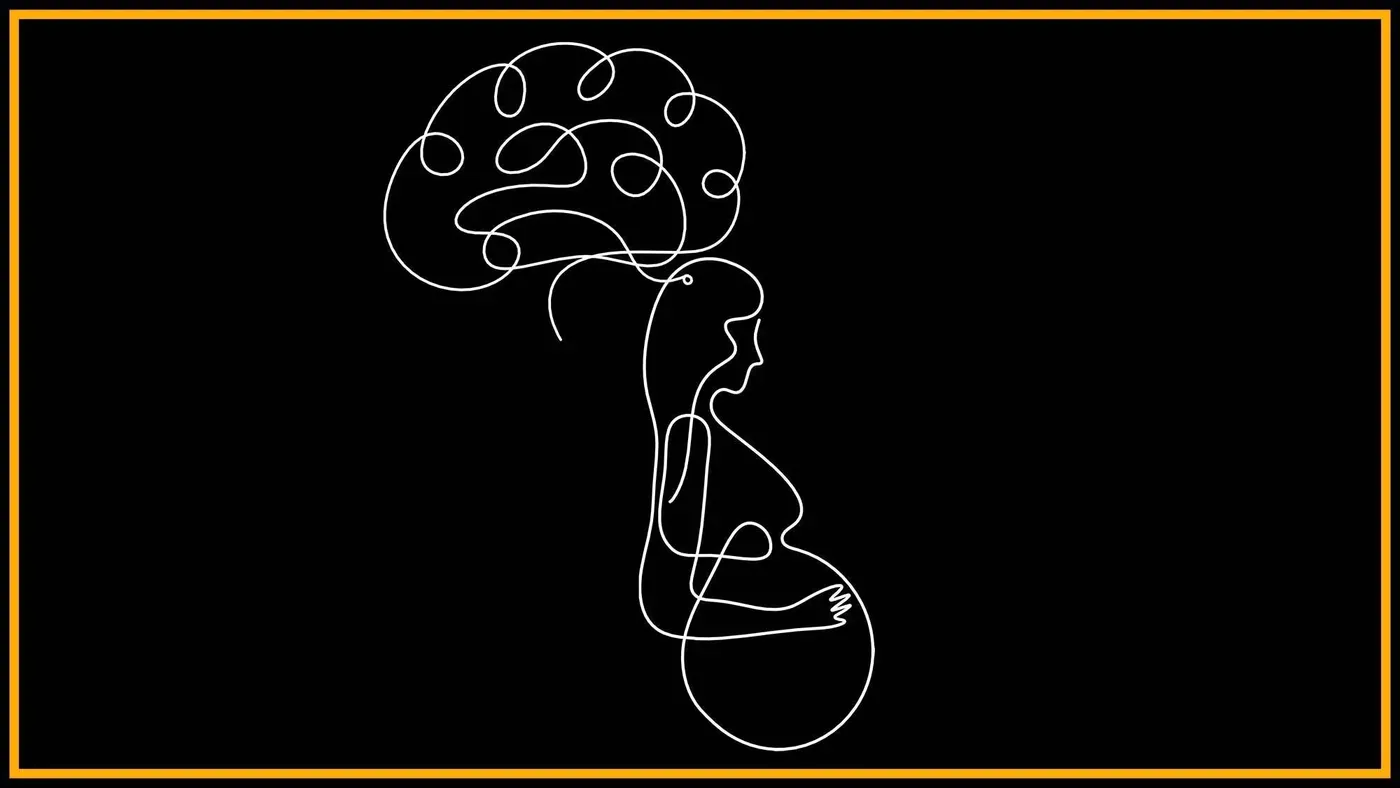
Medical illustrations depicting pregnancy have long been incomplete, often featuring a torso without a head.
This omission is not an oversight but rather a reflection of medicine's historical focus on certain aspects of pregnancy.
Physicians and medical students have learned to visualize the pregnant body as a simplified representation, with attention concentrated on the uterus, placenta, and growing belly.
However, this incomplete picture has significant implications for understanding maternal health and preventing maternal deaths.
For centuries, researchers have extensively studied how pregnancy affects various organs and systems in the body, including cardiovascular changes and immune system recalibrations.
The transformation of the adult brain during pregnancy and the postpartum period is now recognized by neuroscientists as one of the most dynamic periods for the brain's remodeling.
In fact, these changes are more pronounced than those that occur in adolescence, a time often considered the epitome of the brain's plasticity. The rapid fluctuations in hormones during pregnancy drive these transformations, which are distinct from those experienced during puberty.
Some areas of the brain shrink in volume during gestation and then grow after birth, while others follow an opposite pattern. These changes are not only temporary but also long-lasting, with some structural alterations persisting for years or even decades.
The notion that motherhood fundamentally alters a woman's cognitive abilities has been debated. Some women report experiencing "mommy brain" or "momnesia," where they struggle to remember things or concentrate on tasks. However, research so far suggests that these brain changes are not necessarily associated with impaired cognitive functioning.
While sleep deprivation and the immense mental and metabolic demands of pregnancy and childcare may contribute to difficulties in concentrating or remembering, the data indicate that these factors play a role rather than the brain changes themselves.
Pregnancy and childbirth can bring about significant changes in a woman's brain, but not all of these changes are beneficial.
Research has shown that women who experience greater well-being during pregnancy tend to have more pronounced brain changes, which may help them bond better with their newborns.
However, the same plasticity that enables these adaptations also increases the risk of certain complications.
Studies have found a link between specific brain changes and an increased rise in depressive symptoms during the postpartum period.
A highly adaptable brain can be both a blessing and a curse, making it more susceptible to disturbances during pregnancy and the months following childbirth.
The rapid pace of brain changes during this time is comparable to those that occur during adolescence, but with potentially more severe consequences.
The impact of maternal mental health extends far beyond the individual mother, affecting her baby, family, and society as a whole in profound ways.
To truly grasp the transformation that occurs in the brain during pregnancy and postpartum, we need data-driven insights rather than relying on personal opinions or incomplete medical models.
The solution to this complex problem is surprisingly straightforward, especially given the advancements made possible by artificial intelligence.
However, harnessing the potential of AI requires large, high-quality datasets that can be used for analysis and prediction, a resource that currently does not exist in maternal brain health research.
These datasets are scattered across various silos, each capturing different aspects of pregnancy and postpartum experiences, but without integration or connection to the same women over time.
The creation of a comprehensive database on pregnancy and postpartum experiences would be a major step forward for women's health research. This resource could potentially transform our understanding of maternal mental health by providing a longitudinal, well-characterized dataset that spans from molecular to societal levels.
To achieve this goal, researchers need to scale up their efforts significantly, moving from hundreds of participants to thousands. Ensuring adequate geographic and social representation is also crucial, as it would allow for more accurate generalizations about the experiences of mothers across different populations.
The development of such a database has been underway in various silos, each focusing on distinct aspects of pregnancy and postpartum care. However, these datasets remain disconnected, with no integration or connection to the same women over time. A coordinated effort is needed to bring together these disparate initiatives and create a unified resource that can inform predictive science.
The creation of such a database would require a decision from researchers and policymakers to prioritize maternal brain health as an area worthy of rigorous study. This means allocating sufficient resources and funding to support large-scale, longitudinal research projects that can provide valuable insights into the complex experiences of mothers during pregnancy and postpartum periods.
The absence of substantial research on pregnancy and postpartum periods has been a glaring omission in scientific understanding for far too long.
This gap in knowledge is particularly striking given that nearly nine out of ten women will experience pregnancy at some point in their lives, making it an essential aspect of human existence.
However, it's only recently that researchers have begun to address this void with rigorous and systematic studies, such as Susana Carmona's groundbreaking work on the neuro-maternal revolution.
Carmona's pioneering research has led to the creation of a unique longitudinal database tracking how mothers' brains change from preconception through several years after childbirth.
Facts based on reporting originally published by Live Science.
You may republish this story, in full or in part, if you credit News Central Site and link to it (licence CC BY 4.0). Photos are not included.