Honey Bees More Vulnerable to Sudden Heat Spikes Than Prolonged Exposure
A recent study has found that honey bees are more susceptible to sudden increases in temperature rather than prolonged exposure to high temperatures.
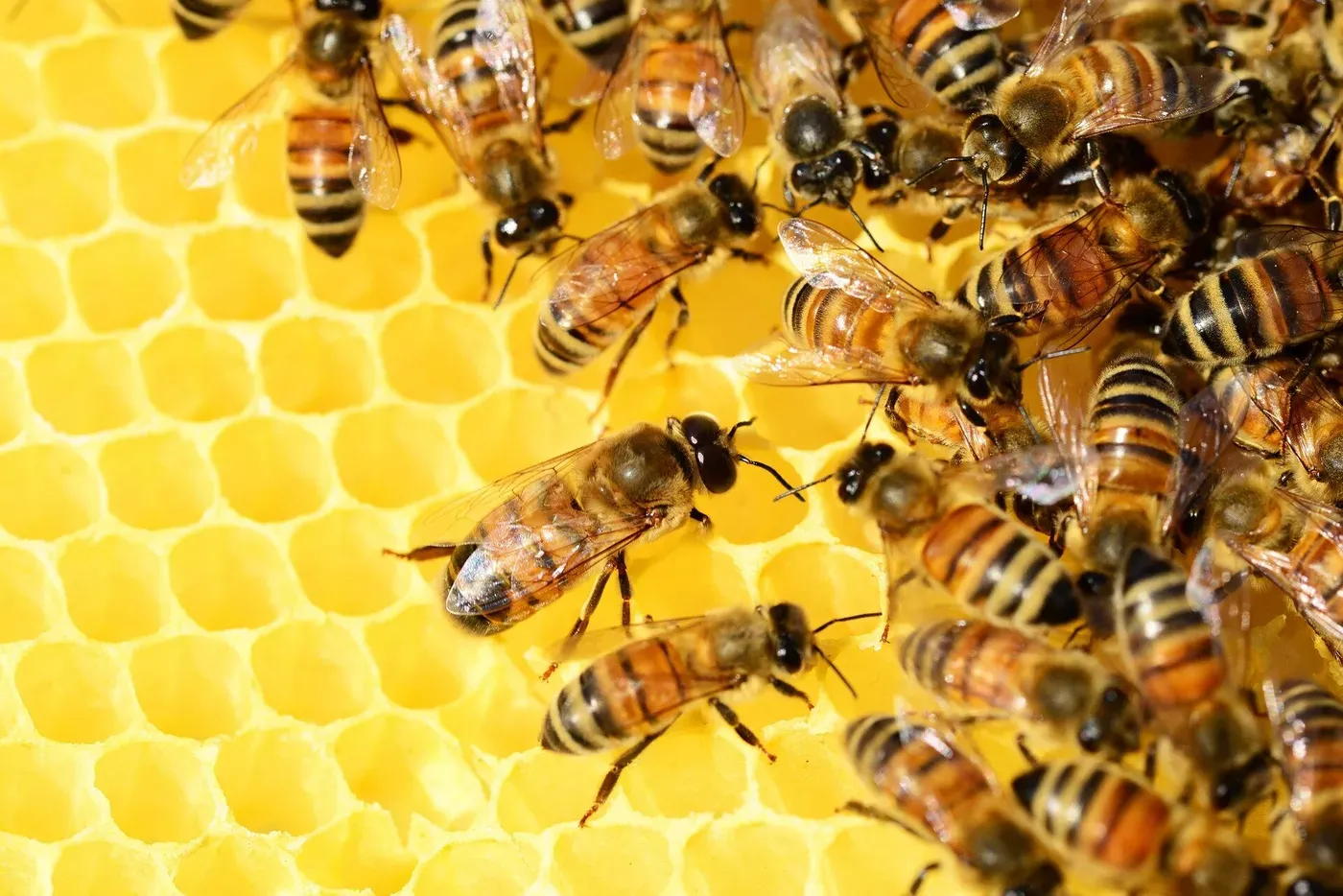
A recent study has revealed an unexpected twist in how honey bees respond to extreme temperatures.
Honey bees are more vulnerable to sudden spikes in heat rather than prolonged exposure to high temperatures, a finding that could aid scientists in understanding the impact of changing weather patterns on bee populations.
Researchers at Washington State University conducted an experiment to investigate the effects of heat stress on honey bees.
Their study, published in Scientific Reports, found that sudden heat shocks had a more significant impact on the physiology and gut microbiome of the bees than prolonged exposure to high temperatures.
The key difference lies in how quickly the bees adapt to continuous heat stress.
The gut microbiome's role in honey bee physiology has been a topic of interest for researchers, who have discovered that disruptions can increase susceptibility to pesticides.
Previous studies have shown that certain pesticides can have adverse effects on honey bees when their gut microbiomes are disrupted. However, these studies did not account for the impact of sudden heat spikes on the biome's composition.
Basu suggests that a changing gut biome during heat shock may lead to damage from environmental factors, highlighting the need for further research to confirm this theory.
A key aspect of honey bee physiology is their core gut biome, comprising microbes that aid in breaking down pollen, digesting sugars, and protecting against diseases.
To isolate the effects of temperature fluctuations on honey bee physiology, researchers needed to control for genetic variations among their subjects. They selected six colonies with sister queens and took newly emerged brood from each colony. From these, they randomly assigned 150 bees to each enclosure.
The enclosures were set up to simulate three different temperature scenarios: one maintained at a consistent ideal temperature; another consistently elevated above the ideal range; and a third that started at an optimal temperature before suddenly increasing to an elevated level after a few days had passed. This design allowed researchers to compare responses to both sustained heat and sudden spikes.
In addition to providing water and sugar syrup, half of each group received a pollen patty as part of their diet. This was done to investigate how access to supplementary nutrients affects the bees' nutritional status under different temperature conditions. By varying the availability of food resources, researchers aimed to understand how environmental factors impact bee nutrition.
We want to examine how environmental food resources influence the nutrition that bees have access to, Basu explained, highlighting the importance of considering multiple stressors when studying heat-related issues in bees. This comprehensive approach can provide valuable insights into the complex interactions between temperature fluctuations and foraging behaviors.
The social structure of honey bee hives acts as a buffer against environmental stressors, protecting the colony from some negative effects. However, this collective support system is not available to solitary bees, which are more vulnerable to changes in their food resources and health. The lack of communal backing can have severe consequences for solitary bees' survival and reproduction.
When environmental fluctuations impact the availability of food or the overall well-being of solitary bees, they face direct and potentially devastating effects. In contrast, honey bee colonies can absorb some shocks from temperature fluctuations due to their shared resources and mutual support. This difference in resilience highlights the unique challenges faced by solitary bees in adapting to changing environments.
The distinct impacts of heat spikes on honey bees compared to sustained heat underscore the importance of considering both types of environmental stressors when studying the effects on bee populations. By acknowledging these differences, researchers can gain a more comprehensive understanding of how temperature fluctuations influence foraging behaviors and overall colony health.
Facts based on reporting originally published by Phys.org.
You may republish this story, in full or in part, if you credit News Central Site and link to it (licence CC BY 4.0). Photos are not included.