Luiz Inacio Lula da Silva vs Flavio Bolsonaro: Runoff Election on October 25
The latest polling data suggests that neither incumbent President Luiz Inacio Lula da Silva nor challenger Flavio Bolsonaro has a clear advantage in the runoff election.
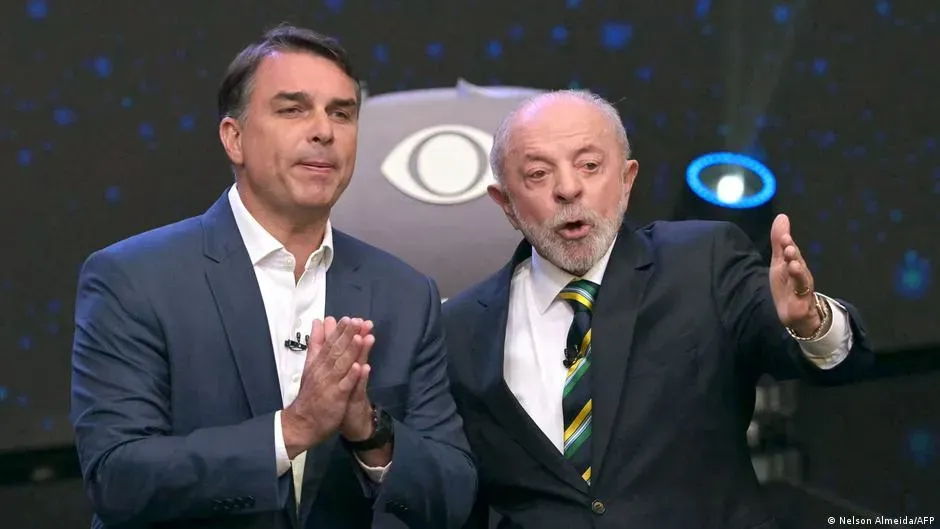
Brazil is on the cusp of a highly contested runoff election, with just days left until October 25's decisive vote. The latest polling data suggests that neither incumbent President Luiz Inacio Lula da Silva nor challenger Flavio Bolsonaro has a clear advantage.
Recent polls have shown some variation in results, but most surveys agree on one thing: this election is going to be extremely close. According to the PoderData institute, both candidates are now neck and neck, with each commanding 50% of voter support.
Lula's previous victory over Bolsonaro's father, Jair Messias Bolsonaro, in the 2022 election serves as a reminder that the outcome of this runoff is far from certain. In that contest, Lula secured just 50.9% of the vote, leaving many to wonder whether history will repeat itself.
The first round of voting on October 4 saw Bolsonaro emerge victorious with 47% of the vote, but his lead was not as substantial as expected given his father's previous performance in similar elections.
Brazil's election campaign has taken an unexpected turn as Jair Bolsonaro's team attempts to regain momentum ahead of the runoff vote.
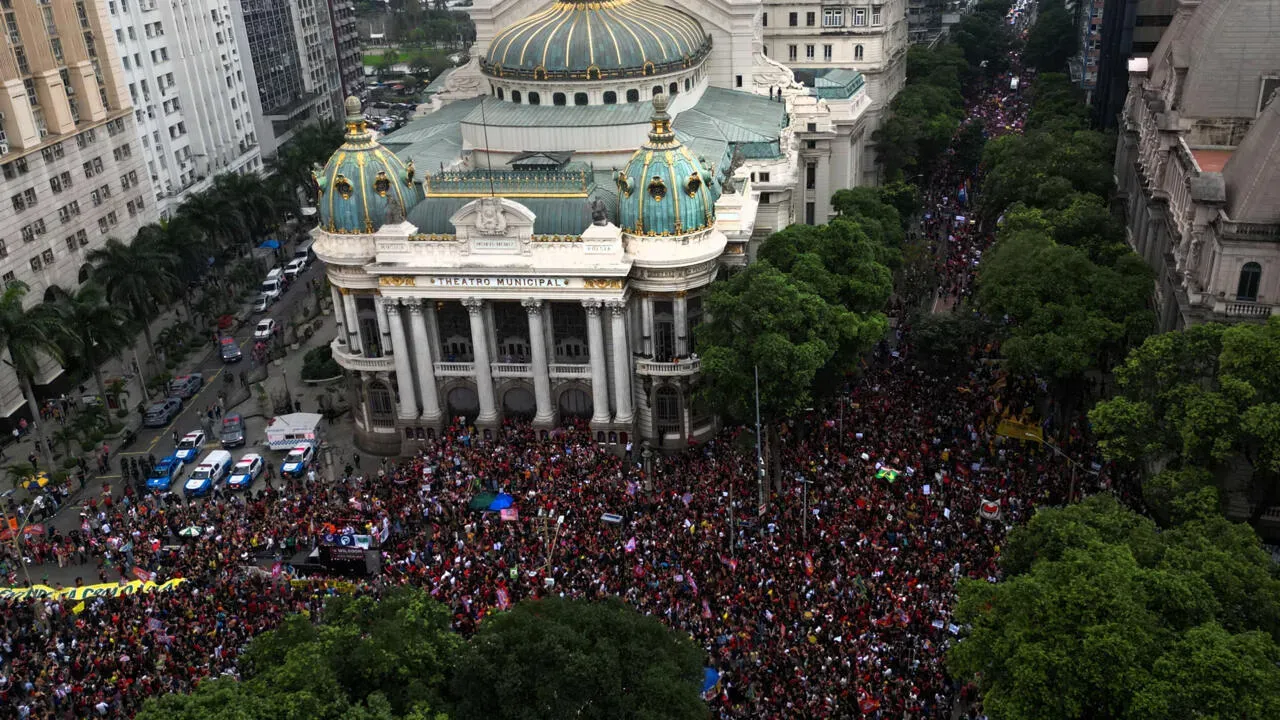
The president's decision to scale back street campaigning in light of his strong poll numbers earlier this month appears to have been a strategic mistake. Now, he is once again mobilizing supporters for major rallies across Brazil as the country prepares for the next round of voting.
Bolsonaro's campaign has been marked by intense polarization, a trend that has dominated Brazilian politics over the past decade. This phenomenon has led to the disappearance of centrist parties and any potential "third way" in politics.
The divide between Bolsonarism and Lula's left-wing camp is so deep-seated that it has paralyzed the country's political landscape, according to Marco Aurelio Nogueira, a political scientist who attributes this polarization to social media. Platforms' algorithms, he notes, tend to thrive on conflict and reward sensational content over balanced reporting.
Flavio Bolsonaro's calm demeanor may be a key factor in his chances of defeating Lula in the runoff vote.
In contrast to his father Jair Bolsonaro, who was known for his aggressive rhetoric, Flavio Bolsonaro presents himself as more moderate and gives Bolsonarism a fresh image. His communication skills are also noteworthy, with well-produced videos that address workers' concerns such as the introduction of the five-day workweek.
Lula's recent promise to shorten workweek hours has given momentum to his campaign, but it's not clear if this will be enough to secure him the win. Bolsonaro seems to have taken note of Lula's rising poll numbers and is now taking a less radical stance on several issues, including fiscal policy.
Bolsonaro had previously announced drastic budget cuts modeled on the policies of his ally Javier Milei, but he has since voted in favor of continuing Lula's social programs. However, he still needs to present a plan for reducing Brazil's high public debt.
The influence-peddling scandal surrounding businessman Roberto Fechio Vorcaro has cast a shadow over both Lula's and Bolsonaro's campaigns. Vorcaro is accused of bribing politicians, judges, and financial decision-makers with millions in reported payouts and lavish sex parties.
Flavio Bolsonaro, son of the incumbent president, is implicated in the scandal for accepting goods and services from Vorcaro, including a €10 million donation to fund a film about his father's life. This has sparked allegations of impropriety, but Lula's own son is also embroiled in another corruption scandal.
Political analysts have noted that both candidates' attempts to outdo each other on the corruption front have left voters disillusioned and skeptical of all accusations. The constant stream of scandals and counter-accusations has created a sense of fatigue among voters, who are increasingly tuning out these claims.
According to Nogueira, this mudslinging has essentially neutralized the impact of these allegations in the election campaign. As he points out, voters no longer pay much attention to these accusations when making their voting decisions.
The two candidates, Lula and Flavio Bolsonaro, are gearing up for their second live television debate on Friday, just two days before the runoff election scheduled for October 25. This debate is expected to have a significant impact on voter decisions.
Experts agree that both candidates will need to remain composed under pressure from the other side, as provocative comments and personal attacks are likely to be exchanged during the debate. In contrast, specific policy proposals are expected to play only a minor role in the discussion.
Facts based on reporting originally published by DW English.
You may republish this story, in full or in part, if you credit News Central Site and link to it (licence CC BY 4.0). Photos are not included.