Ava DuVernay's Journey into Filmmaking Was Nonconventional
DuVernay credits a filmmaking book for sparking her interest and inspiring her to start making films during her free time, eventually transitioning to working full-time as a director after completing her first three projects.
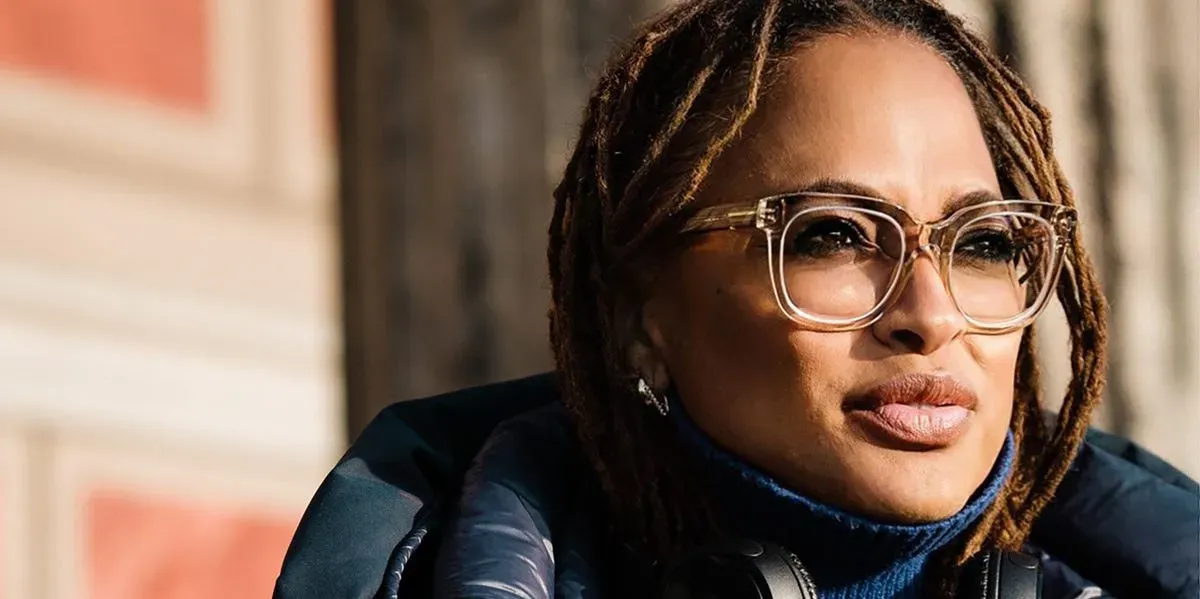
Ava DuVernay's journey into filmmaking was far from conventional. At 32 years old, she began creating projects in secret while working as the head of her own PR company, DVAPR. This dual role allowed her to support other filmmakers while developing her own skills.
DuVernay credits a filmmaking book for sparking her interest and inspiring her to start making films during her free time. She recalls making movies on weekends and vacations from her day job, eventually transitioning to working full-time as a director after completing her first three projects.
Not long after gaining momentum, DuVernay's work started receiving widespread recognition. One of the turning points came when she won Best Director at Sundance for Middle of Nowhere. This accolade gave her the confidence to pursue filmmaking more aggressively.
The success at Sundance led to a significant shift in DuVernay's career trajectory. She recalls how her client at Warner Bros. responded to her achievement, which likely marked a turning point in her decision to leave public relations behind and focus on directing full-time.
DuVernay's profile continued to rise in the years following her Oscar nomination for Selma. Her film about Dr.'s historic civil rights march earned widespread recognition and acclaim, marking a significant milestone in her career.
The 2014 Academy Awards saw DuVernay become the first Black woman to be nominated for Best Picture as a director. This achievement was a testament to her growing influence in the industry. The nomination validated her unique perspective on storytelling and its potential impact.
DuVernay's subsequent documentary, 13th, released in 2016, further solidified her position as a leading voice in contemporary cinema. The film examined the complex relationships between race, mass incarceration, and the US Constitution's 13th Amendment. This thought-provoking work earned DuVernay another Oscar nomination.
The release of 13th sparked renewed interest in DuVernay's career trajectory. As she navigated her next project, events unfolding around her provided the catalyst for a new documentary, 14th.
The 14th Amendment has been at the forefront of Ava DuVernay's latest documentary project. The catalyst for this film was sparked by Donald Trump's second presidential campaign, which brought to light his stance on immigration policy and birthright citizenship.
DuVernay's interest in the amendment grew as she delved into its five distinct components: citizenship, representation, public debt, congressional power, and dismissal from office. This led her to explore the complex history surrounding the Lost Cause myth, a narrative perpetuated by white Southerners following the Civil War.
The Lost Cause myth aimed to distort the true reasons behind the war, downplaying the role of slavery and the oppression of Black Americans and people of color. DuVernay's documentary seeks to dissect this myth through the lens of the 14th Amendment, shedding light on its significance in ensuring equal protection under the law.
The 14th Amendment was created after the Civil War to address the rights of formerly enslaved people and Black Americans, but it has also become a focal point for contemporary debates surrounding citizenship, representation, and power.
The Lost Cause ideology has evolved significantly over time and is now closely tied to the MAGA movement. This connection between the two ideologies is a key point of discussion in Ava DuVernay's documentary. According to DuVernay, this parallel evolution is rooted in the fundamental principles of American society.
DuVernay cites Frederick Douglass as an authority on this issue, noting that he predicted the ongoing struggle between these two opposing forces. The filmmaker explains that this animating force will continue to be passed down through generations, shaping the country's societal dynamics. This dynamic has been a persistent feature of American history.
In her documentary, DuVernay sought to provide a balanced view by inviting Republicans to share their perspectives on the 14th Amendment and its implications. However, despite requesting over 300 interviews with Republican officials, including sitting representatives, congresspeople, senators, and mayors of major cities, most declined to participate. The exact reasons for this rejection are unknown.
DuVernay acknowledges that including more Republican voices would have added valuable insights to the documentary's narrative. She expresses a desire to understand the perspectives of those who did not contribute to her project, as their current-day thinking is an essential part of the story.
DuVernay's work often shines a light on systemic injustices faced by Black citizens and people of color, but she is aware that this can lead to backlash.
She acknowledges that making a documentary like hers may cause tension, yet the potential impact is too great to ignore, especially considering her platform as a Black woman director with global reach through Netflix.
This awareness has given DuVernay confidence in speaking out, even if it means facing criticism. She values the positive impact of sharing her perspective over any negative backlash she might receive.
The timing of 14th's release is deliberate, coinciding with America's 250th anniversary and sparking conversations about its significance.
The timing of 14th's release is deliberate, coinciding with America's 250th anniversary and sparking conversations about its significance.
Ava DuVernay emphasizes that her approach to filmmaking has always been driven by a desire for creative independence. She believes in making her own work, regardless of the current trends or studio priorities, as this allows her to maintain control over her art and vision. This mindset is reflected in her decision to produce 14th outside of traditional Hollywood structures.
DuVernay's advice to emerging artists is to focus on building their audience and cultivating a collective of like-minded creatives, rather than relying on corporate support. She views studios as supplementary resources that can provide additional opportunities, but not the primary source of sustenance or validation for one's work.
Facts based on reporting originally published by Elle.
You may republish this story, in full or in part, if you credit News Central Site and link to it (licence CC BY 4.0). Photos are not included.