Amazon Introduces Premium Android Tablets with Alexa+
The new tablets offer advanced features and capabilities that go beyond voice commands, including visual intelligence and live sessions with Alexa.
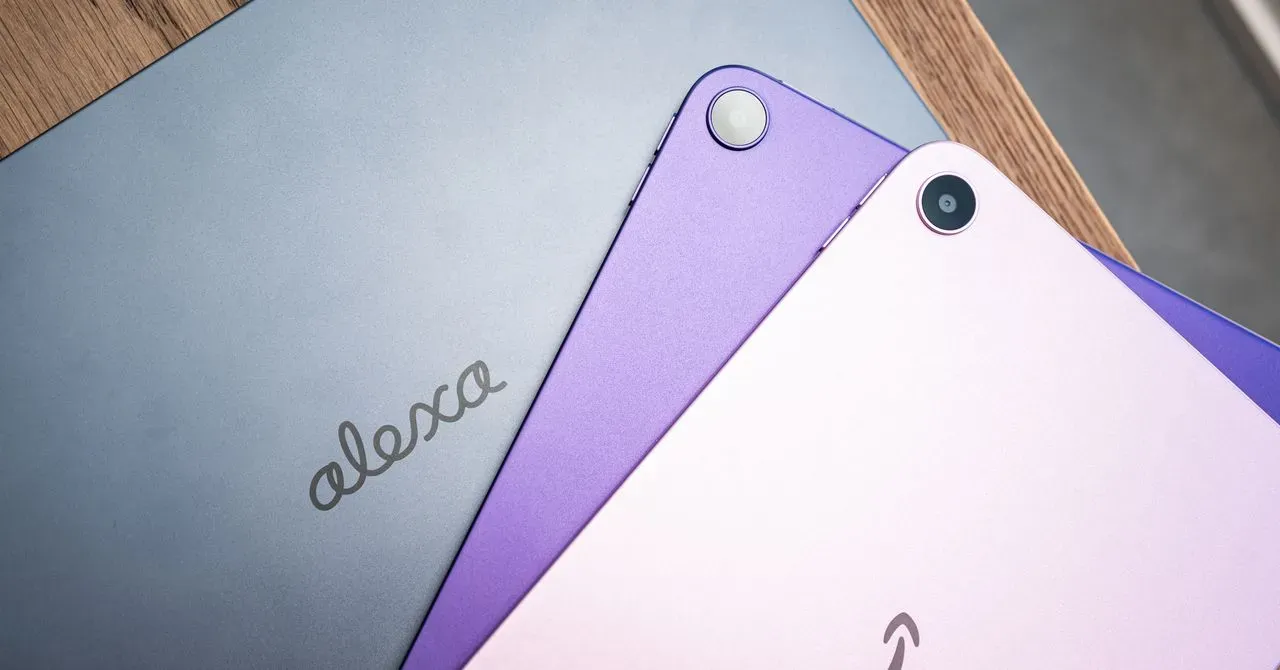
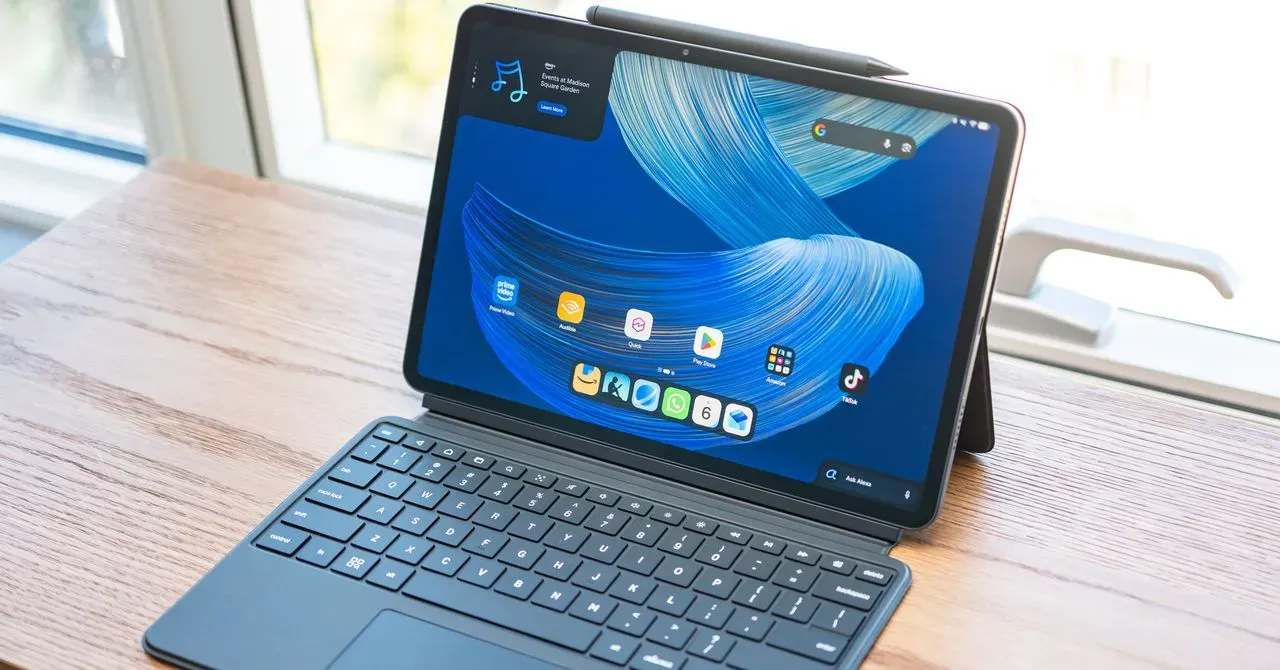
Amazon has made significant changes to its tablet line, introducing a premium range of devices that run on Android and offer access to the Google Play Store. The new tablets have replaced the previous Fire Tablets, which were known for their affordability but limited capabilities.
At the heart of these new devices is Amazon's Alexa+ assistant, which has been upgraded with advanced features. On the home screen, users will find a persistent "Ask Alexa widget that allows them to summon the assistant with voice commands or by clicking on the widget directly.
Alexa+ now boasts what Amazon calls On-Screen Intelligence, a feature that enables the assistant to read and respond to contextual questions based on what's displayed on the screen. This means users can ask Alexa to summarize web pages, provide answers to complex queries, or even perform tasks like adding products to their shopping cart from within an article.
For instance, while watching a YouTube video about a new product, users can ask Alexa if the product is available on Amazon and have it added to their cart. Similarly, when reading an article about local restaurants, they can query Alexa for more information or even make reservations.
The new Alexa tablets have introduced several innovative features that go beyond voice commands. One of these is the ability to highlight nearby locations, such as restaurants or stores, based on a user's location and preferences. This functionality can be accessed by simply asking Alexa to show the closest options.
Another notable feature is the live sessions capability, which allows users to engage in free-form conversations with Alexa. This interactive mode enables users to ask follow-up questions or seek additional information without having to rephrase their queries. The live sessions feature appears to draw inspiration from other conversational AI platforms, such as Gemini Live and ChatGPT's Voice Mode.
The tablets also boast visual intelligence capabilities, enabling the camera to identify objects and provide relevant advice. For instance, if a user is dealing with a water leak, they can point the camera at the issue and ask Alexa for guidance on how to fix it. This feature has the potential to be particularly useful in situations where users need hands-on assistance.
The integration of these advanced features may raise questions about Amazon's long-term plans for its devices. Some industry observers have noted that these capabilities would be even more valuable on a smartphone, leading to speculation about a potential return to the smartphone market. However, Amazon has thus far declined to comment on such rumors, citing no further information to share.
Amazon's decision to retire its Fire" branding and discontinue budget tablets may be more than just a strategic move to distance itself from past failures.
The company's shift towards using Google's Android operating system on its new tablets and adding the Google Play Store is a significant change that suggests Amazon recognizes the importance of having access to a wide range of apps in order to succeed in the market.
By making this switch, Amazon avoids the limitations that plagued its original Fire Phone, which struggled with app availability and adoption.
This move sets the stage for a future Amazon phone, where users won't be held back by limited app selection or functionality.
Amazon has been making significant strides in elevating its hardware offerings, aiming for a more premium feel and look. This shift is particularly evident in the company's latest Echo speakers, which saw substantial price hikes over their predecessors due to upgraded internal components.
The recent introduction of new Kindle models further underscores this trend, boasting sleek aluminum designs that are thinner and lighter than ever before. Amazon's push towards high-end hardware seems to be gaining momentum under the guidance of Panos Panay, who joined the company in 2023 as head of Devices & Services.
Panay's background in designing innovative devices is well-documented, particularly his work on the Microsoft Surface line. However, it was during his tenure at Microsoft that he faced criticism for the ill-fated Duo folding smartphone, which some saw as a misstep in the market.
Industry insiders are speculating about the direction Amazon may take with its upcoming Alexa Tablets, which have already shown signs of being more powerful and feature-rich than their predecessors. The latest models are crafted from aluminum, lending them an air of sophistication that is reminiscent of high-end tablets like the iPad.
Rumors suggest that Amazon's future phone, potentially set to debut under Panay's guidance, may boast a revolutionary AI interface that would eliminate the need for traditional app stores. This could mark a significant departure from conventional smartphone design and functionality, but it remains to be seen how this vision will be received by consumers and critics alike.
The latest Alexa Tablets, with their sleek aluminum designs and enhanced capabilities, are setting the stage for an even more exciting development: Amazon's rumored entry into the smartphone market. Panay's track record in innovative device design suggests that any future phone from Amazon could be a game-changer in the industry.
Industry analysts believe that Amazon's phone may feature cutting-edge technology that allows users to interact with their devices in entirely new ways, potentially making traditional smartphones seem outdated by comparison. As the tech world continues to evolve at breakneck speed, it's clear that Amazon is committed to staying ahead of the curve and pushing the boundaries of what we expect from our devices.
In an era where consumers are increasingly demanding more from their technology, Amazon's move into the smartphone market could be a shrewd play. By offering a device that seamlessly integrates AI-powered functionality with sleek design, Amazon may just find itself at the forefront of a revolution in mobile technology.
The potential for disruption is palpable as Amazon prepares to unveil its latest innovation. With Panay at the helm and a clear vision for a more intuitive user experience, it's clear that this move sets the stage for a future Amazon phone, where users won't be held back by limited app selection or functionality.
The smartphone market is facing significant challenges, including rising costs due to a memory crisis, declining shipments for several consecutive quarters, and a duopoly in the US market dominated by Samsung and Apple. This has led many established players, such as OnePlus this summer and HMD last year, to abandon their efforts.
Despite these difficulties, an Amazon phone could potentially fill the void left by departing brands, leveraging its parent company's retail dominance and non-China origins to capture a significant share of the market currently contested by Motorola and Google.
Facts based on reporting originally published by Wired.
You may republish this story, in full or in part, if you credit News Central Site and link to it (licence CC BY 4.0). Photos are not included.