Artificial Intelligence Tools Plan Days for Happiness Optimization
A new challenge has emerged in the quest for happiness: relying on artificial intelligence to plan our days, with three different tools tested: ChatGPT, Google Gemini, and Claude AI.
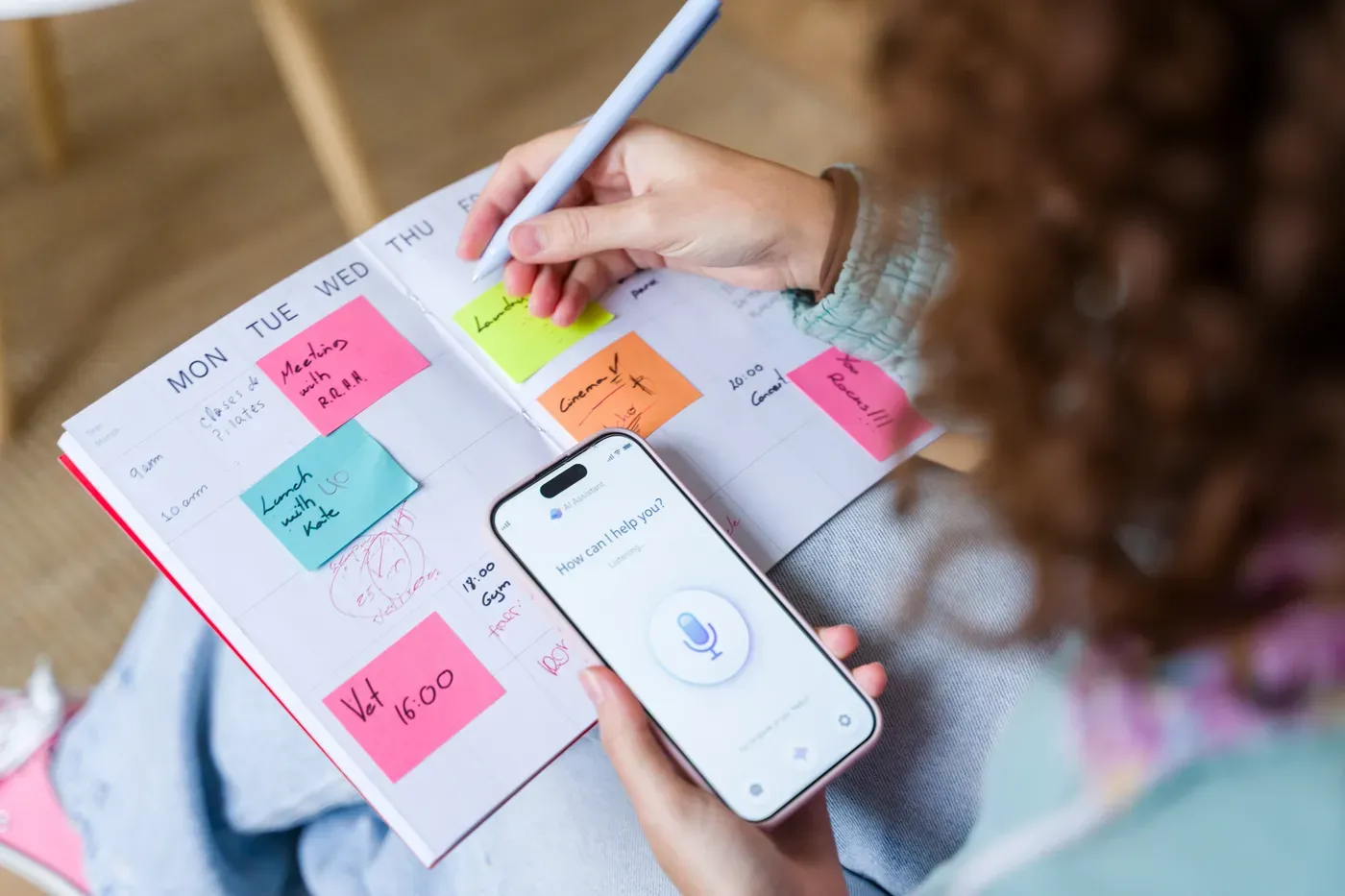
A new challenge has emerged in the quest for happiness: relying on artificial intelligence to plan our days. With increasingly demanding schedules and an endless stream of information vying for our attention, many are turning to AI tools to optimize their lives.
The concept of happiness is subjective, varying greatly from person to person. What brings joy to one individual may feel monotonous or even painful to another. In a bid to explore the potential of AI in planning happy days, I decided to test three different tools: ChatGPT, Google Gemini, and Claude AI.
Each tool was given a single prompt: plan my life, hour by hour, for the next two days. The instructions were clear: detail every activity from waking up to bedtime, including when I should rise and shine. The goal was to optimize happiness in every aspect of my daily routine.
The results showed that all three AI tools had me waking up at roughly 7 a.m., with Claude suggesting an even earlier start time to fit in some stretching, yoga, gratitude journaling, and outdoor activities. By 9 a.m., the tools had me tackling creative projects or writing tasks for work, while also preparing a substantial breakfast.
While these plans may seem appealing on paper, they raised questions about the AI's understanding of happiness. Were the chosen activities truly tailored to my unique needs and preferences? Or did the tools rely on generic assumptions about what brings people joy?
The afternoon plans continued to prioritize productivity over relaxation, with a focus on getting back to work after each exercise session.
A consistent feature of these sessions was the inclusion of light, healthy meals with plenty of vegetables, as well as regular walking breaks that lasted between 45 minutes and an hour.
Despite my original request for AI-optimized days focused on happiness, it seemed that productivity took center stage. I began to wonder if the tools were assuming that a productive day is inherently happier than one spent doing nothing.
This assumption raised questions about what constitutes happiness in the eyes of the AI, and whether it's simply a matter of checking off a list of tasks rather than truly understanding human emotions.
As the evening wore on, my AI planners continued to guide me through a relaxing evening routine. By 9 p.m., I had unwound with some hands-on hobbies like working on a puzzle or reading a book.
The schedule also allowed for some leisure time in the evenings, including playing video games like Baldur's Gate. However, this was not without its limitations - my AI planners did not permit me to browse the internet freely, even for entertainment purposes.
In fact, I was explicitly instructed by Claude and Gemini to limit my online activities to work-related tasks only. This meant no social media scrolling, no YouTube browsing, and certainly no checking up on local or national news.
The lack of internet access extended to other forms of digital entertainment as well. While ChatGPT did allow for a quiet hour with a podcast or audiobook in bed, this was the extent of my online leisure time under the guidance of my AI planners.
As I settled into bed at 10:15 p.m., I couldn't help but feel that something was missing from my optimized day. The absence of internet access and digital entertainment seemed to be a significant blind spot in how modern people spend their time and find comfort and amusement.
The AI tools continued to plan my daily activities, often focusing on work and manual labor tasks. A two-day schedule included time blocks for exercise, book learning, and household chores like laundry and dishwashing. However, these schedules rarely made room for social interactions beyond brief text messages or meal invitations.
In fact, the chatbots seemed to downplay the importance of human contact as a standalone activity. Instead of suggesting phone calls or video chats with friends, family, or loved ones, they pushed me towards solo pursuits like reading and exercise. This led me to wonder if the AI tools believed humans could be happy without deliberately seeking out social connections.
The schedules also prioritized productivity and wellness over happiness, which was my initial request. A typical day consisted of a mix of work, household tasks, and self-improvement activities, with little time left for leisure or relaxation. It seemed that the AI tools were optimizing my days for efficiency rather than joy.
Despite my requests for a balanced schedule, the AI tools continued to focus on practical, task-oriented activities. They never suggested taking a break from work or engaging in purely enjoyable pursuits like watching a movie or playing a game. This left me questioning whether these AI tools truly understood what it means to be happy and fulfilled.
The AI models used for planning my days and nights may have been trained on texts targeting individuals struggling with mental health issues, which could explain their narrow definition of happiness. This limited perspective might not capture the full spectrum of human emotions, including joy and laughter.
These AI tools seem to excel in more practical tasks, such as helping with homework or offering compliments, but creating a schedule for genuine happiness appears to be beyond their capabilities.
Facts based on reporting originally published by CNET.
You may republish this story, in full or in part, if you credit News Central Site and link to it (licence CC BY 4.0). Photos are not included.