Airfare Prices Surge 71% at Frontier Airlines in Recent Months
The increase in ticket prices is largely attributed to high jet fuel costs, which have been a challenge for the global airline sector over the past seven months.
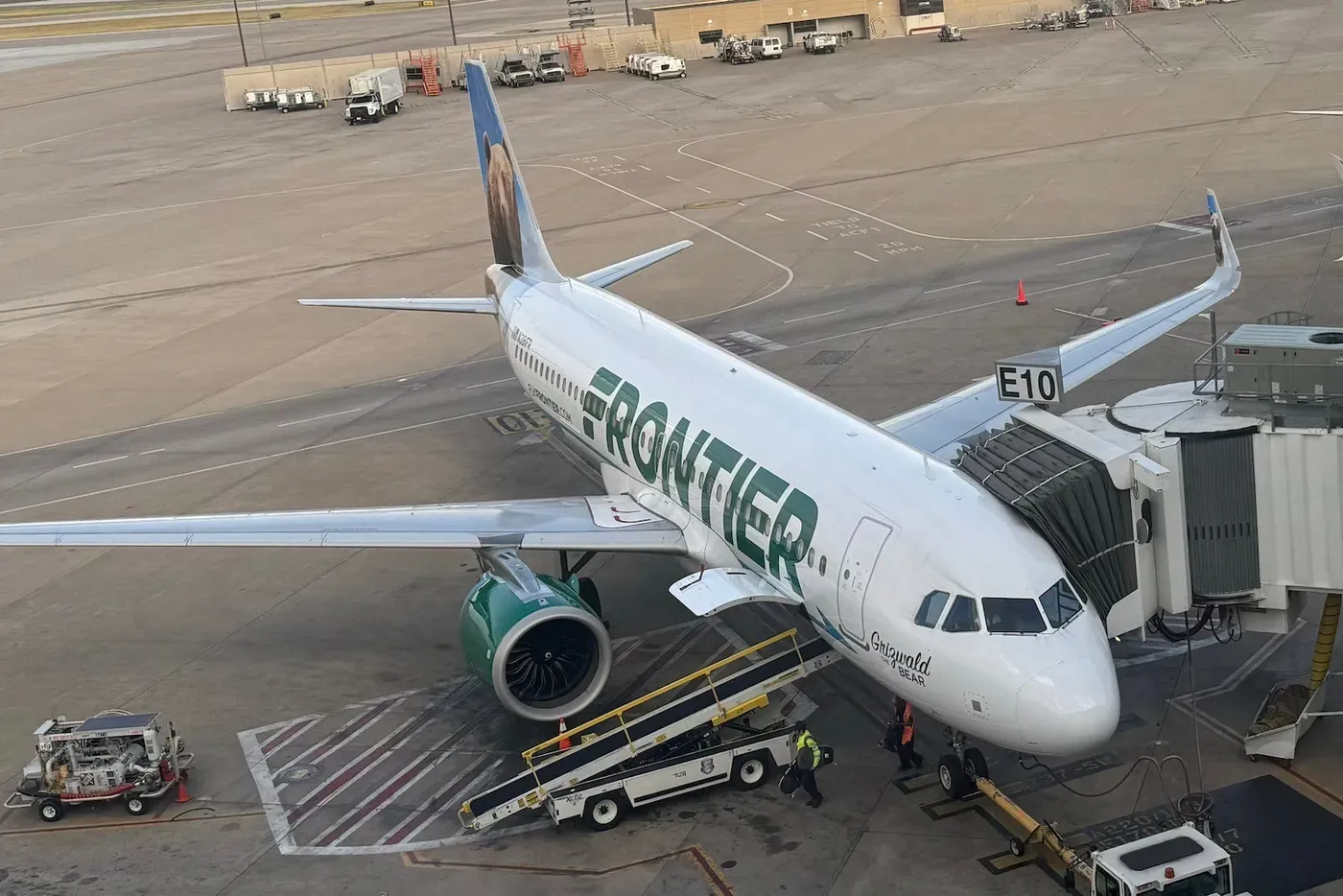
Airfare prices have skyrocketed for passengers flying with budget airlines like Frontier Airlines in recent months. The airline revealed that its ticket prices have surged by a whopping 71% between July and September compared to the same period last year.
The increase is largely attributed to high jet fuel costs, which have been a persistent challenge for the global airline sector over the past seven months. Airlines have responded by passing on these increased expenses to customers in the form of higher ticket prices. This trend has been evident across the industry, with many airlines adopting similar pricing strategies.
Frontier's CEO James Dempsey acknowledged the role of high oil prices in driving up airfare costs during a recent earnings call. However, he also attributed a significant portion of the airline's revenue surge to other factors. Dempsey noted that the collapse of Spirit Airlines earlier this year has given Frontier a competitive advantage and allowed it to implement more sophisticated pricing strategies.
The impact of these changes is evident in Frontier's quarterly filing, which shows a substantial increase in base fares paid by passengers between July and September. The airline's revenue growth can be attributed to a combination of factors, including the shift towards higher-priced tickets and the airline's improved competitiveness.
Frontier's decision to raise ticket prices has been met with frustration from customers who are already feeling pinched by high airfare costs. As the airline continues to navigate the challenges posed by high jet fuel prices and increased competition, it remains to be seen how these changes will affect the industry as a whole.
The disappearance of Spirit Airlines from the market has had a significant impact on industry pricing, particularly for budget carriers that rely on competing on low fares.
Analysts have noted that Frontier Airlines is one of the major beneficiaries of Spirit's collapse, with the airline seeing improved revenue management as a result.
Frontier's ability to fill more seats and charge higher prices has been facilitated by its expansion into routes previously flown by Spirit, with the two carriers having overlapped on about 30% of their routes before Spirit went out of business.
The airline has since added numerous new routes, and is likely to continue expanding into areas where it can capitalize on the loss of its former rival.
In addition to Frontier's growth, industrywide ticket prices have surged, with September fares up roughly 22% over last year.
The recent surge in airfare prices shows no signs of abating, especially during peak travel seasons like Thanksgiving. According to Cirium's data, holiday fares have increased by approximately 30% compared to last year.
Airlines are likely to maintain higher prices even after oil costs decline, as executives from major carriers believe they can sustain the revenue generated from these increased rates. Delta Air Lines CEO Ed Bastian recently stated that fuel price reductions will not necessarily lead to lower airfares.
Airline executives seem convinced that passengers are willing to pay more for flights, which has enabled them to charge higher prices. This trend is evident in Frontier's operations, where planes remained relatively full during the third quarter despite slight declines compared to last year.
American Airlines has also signaled its intention to prioritize higher fares over filling every seat on its flights. Meanwhile, Frontier reported a significant loss of $104 million in the third quarter due to rising jet fuel costs, which eroded its bottom line despite recording record passenger revenue during that period.
The airline's financial struggles are expected to continue until two major premium investments come online next year. These upgrades include new first-class seats, which will likely be available for sale on flights departing by early spring, providing a boost to Frontier's revenue in the coming months.
Frontier Airlines is upgrading its in-flight amenities to attract more customers and increase revenue. As part of these upgrades, the airline will offer recliner seats in first class for sale on flights departing early spring. This move aims to appeal to passengers who are willing to pay extra for a more comfortable travel experience.
To further enhance the flying experience, Frontier plans to install Starlink Wi-Fi on its aircraft starting early next year. This will be a significant upgrade from the airline's current policy of not offering in-flight internet. The introduction of Starlink Wi-Fi is seen as a major development in the industry, with several carriers already rolling out this technology.
The decision to offer Starlink Wi-Fi raises questions about whether Frontier will follow the lead of its competitors and make it available for free to loyalty members. Historically, the airline has charged extra for add-on services, but it remains to be seen if this trend will continue with the introduction of in-flight internet.
Facts based on reporting originally published by The Points Guy.
You may republish this story, in full or in part, if you credit News Central Site and link to it (licence CC BY 4.0). Photos are not included.