Airbnb Introduces New Policy to Limit Guest Tasks
The policy change aims to alleviate one of the most frustrating aspects of staying in a short-term rental by limiting tasks that hosts can ask guests to perform.
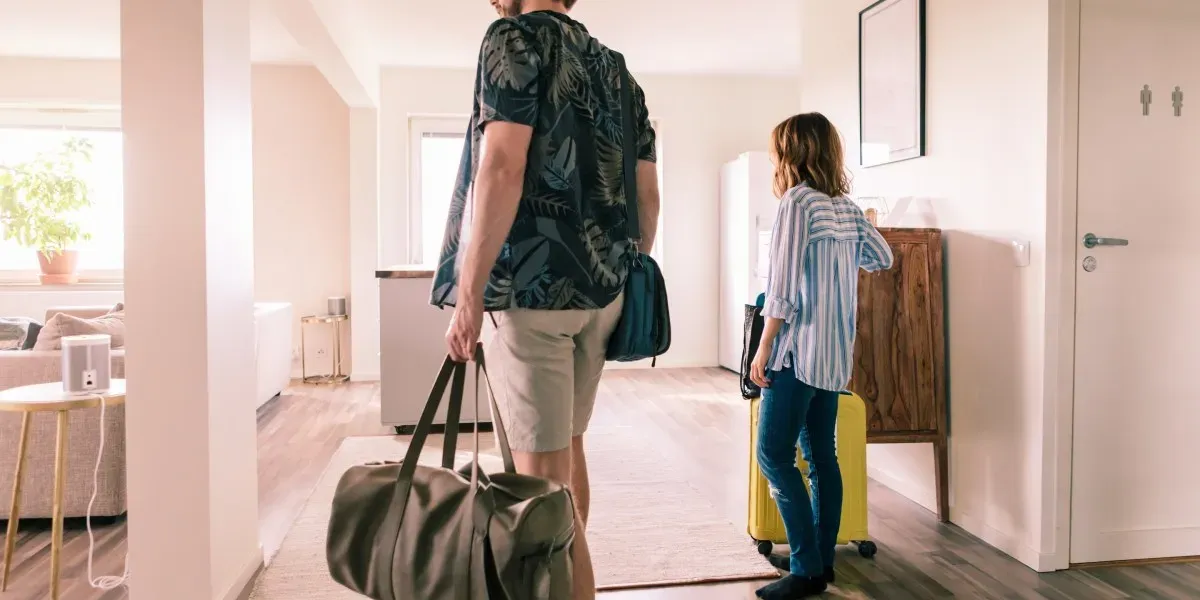
Airbnb has introduced a new policy that will alleviate one of the most frustrating aspects of staying in a short-term rental: being asked to complete tasks that are typically done by cleaners or require significant effort. The "reasonable house rules and requests" policy was announced on October 20th, and it's set to go into effect for all bookings made on or after November 20, 2026.
Under this new policy, hosts will no longer be able to ask guests to perform tasks such as stripping beds, taking out the trash, or washing and putting away dishes. These are just a few examples of the kind of chores that hosts had previously expected guests to do before checking out. The move is aimed at addressing one of the biggest complaints about Airbnb: paying a cleaning fee only to be handed a list of tasks to complete.
The policy change has been met with resistance from some hosts, who feel it will increase their workload and reduce their ability to set clear expectations for guests. In response to concerns raised by hosts, Airbnb has introduced seven standard house rules that cover issues such as maximum overnight guests, quiet hours, and pet policies. Anything beyond these basic rules is considered a request.
Guests are still required to follow the standard house rules, but they are only encouraged to honor non-standard requests made by hosts. This shift in policy marks an effort by Airbnb to better balance the needs of both hosts and guests, and it remains to be seen how this change will impact the platform's dynamics going forward.
Airbnb's new policy aims to strike a balance between hosts and guests by limiting the types of requests that can be made. While light housekeeping tasks such as washing dishes in the sink and sorting trash are still allowed, more onerous demands like stripping beds or doing laundry are now off-limits.
Hosts must clearly disclose any rules or requests in a designated section of their listing before guests book, preventing surprise demands later on. This transparency measure also prohibits hosts from imposing fines or penalties on guests through messages or signs in the home. Instead, they can refer guests to AirCover, the host damage-protection program.
The policy extends beyond housekeeping chores, with restrictions on how hosts manage advertised features like pools or hot tubs. For example, hosts cannot deny access to these amenities once a guest has booked them, and any associated fees must be included in the initial booking price.
If a host's requests break Airbnb's rules, they will be flagged in the listing editor, allowing guests to make informed decisions before booking. Hosts can appeal this flagging, but repeated or severe violations may result in warnings from Airbnb, notices on the listing, or reduced visibility in search results.
Guests are still expected to follow house rules and respect the property, with consequences for repeated or severe violations. However, hosts cannot leave guests with excessive cleaning work at check-out, as Airbnb's ground rules prohibit such conditions.
Airbnb has revamped its house rules to simplify and clarify expectations for both hosts and guests.
The redesign aims to make it easier for guests to understand what is required of them during their stay, eliminating confusion and ambiguity that may have arisen from previous policies.
However, the changes have sparked widespread criticism among hosts who are concerned about the potential impact on their businesses. Many have taken to online forums to express their discontent, with some vowing to take drastic measures in protest.
Some hosts are planning a coordinated effort to boycott Airbnb on November 20, when the new policy takes effect, by closing their calendars and refusing to accept bookings during that time. Others have threatened to leave the platform altogether or impose additional fees on guests for services such as cleaning.
Some hosts have expressed understanding for the new rules, recognizing that excessive demands and high cleaning fees had become a problem on the platform.
They point out that guests should not be expected to perform major tasks such as washing dishes in an Airbnb with a kitchen suite, especially when they are already paying for it. This view is echoed by some travelers who have complained about having to clean up after themselves while staying at budget hotels with kitchens.
Others argue that hosts brought this situation upon themselves by overcharging for cleaning and expecting guests to do all the major cleaning despite these fees. It's clear that many customers were frustrated with the hassle and high costs associated with Airbnb, leading them to opt for alternative accommodations like hotels.
Some observers have noted that the new rules may not necessarily address the core issue of affordability on the platform. If hosts are able to pass the extra work on to guests by raising rates or hiring more cleaning staff, the policy could end up making Airbnb even more expensive than it already is.
The situation raises questions about how effective these changes will be in winning back travelers who left the platform due to high fees and hassle.
Airbnb's recent move to relax housekeeping responsibilities for guests has sparked a backlash from hosts who are threatening to boycott the platform and increase cleaning fees in response. The decision, which eliminates requirements for guests to wash dishes or strip beds, is seen as a concession to travelers who have been deterred by high fees and hassle.
Airbnb's revenue has surged in recent years, with the company reporting a 17% year-over-year increase in the second quarter to $3.6 billion, and raising its full-year outlook accordingly. The platform now boasts over 5 million hosts and more than 2.5 billion guest arrivals all-time since its inception in 2007 as a humble startup in San Francisco.
Facts based on reporting originally published by Fortune.
You may republish this story, in full or in part, if you credit News Central Site and link to it (licence CC BY 4.0). Photos are not included.