Instagram Introduces Changes to Rival YouTube
Instagram will introduce new tools for creators who produce episodic content and allow longer-form videos up to 90 minutes long.
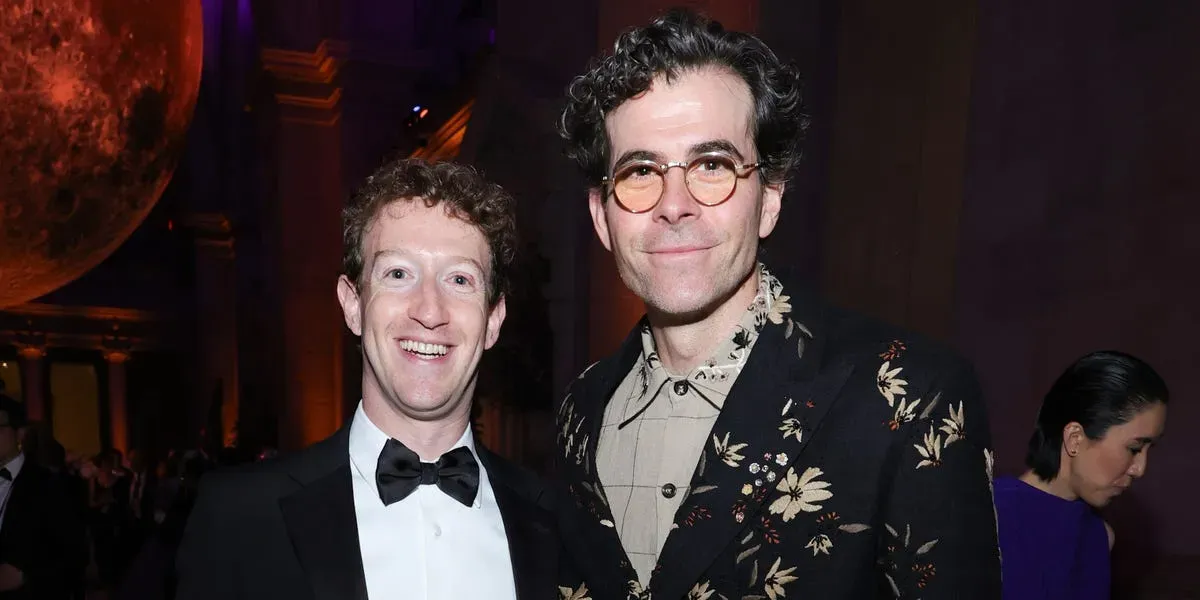
Instagram is set to introduce a range of changes that will see it move closer to rival video-sharing platform YouTube. According to Adam Mosseri, Instagram's top executive, the aim is to make the app more culturally relevant and competitive with its larger counterpart.
The company is testing new tools for creators who produce episodic content, such as serialized shows or series. These features are designed to encourage users to stay on Instagram rather than migrating to YouTube. The move is seen as a response to the growing popularity of YouTube among TV viewers.
A prime example of this trend can be seen in "Subway Takes, a show hosted by Kareem Rahma that started life as a short-form interview series before expanding into longer-form content on both YouTube and Tubi. With 4 million followers, it's clear that Instagram has the potential to host more substantial shows.
The company is now looking to entice creators to produce their own long-form content within its platform, rather than relying on rival sites for ad revenue and user engagement. Whether this strategy will pay off remains to be seen, but one thing is certain: Instagram is trying to catch up with YouTube's impressive reach and influence.
Instagram has introduced new features aimed at keeping users engaged within its ecosystem, rather than leaving to watch longer-form content on other platforms.
The Features format allows creators to produce videos up to 90 minutes long, which can be viewed seamlessly without requiring a departure from the app. Currently, this option is available only to a limited number of creators in the US and Brazil. This development suggests Instagram's desire to provide users with more substantial content within its own platform.
In addition to these changes, Instagram is also expanding its reach through TV apps. The Instagram for TV" app will now be available on Apple TV, joining other platforms such as Samsung, Amazon Fire TV, Google TV. Users can access a feed of video content from friends they follow or have interacted with.
The main Instagram feed is being tested to seamlessly connect episodic content within the Series format. Eligible creators can add videos to a series and label them accordingly; users can then watch these episodes in order from the start.
Instagram's long-form video experiment is expanding to more countries by the end of this year, offering creators a new way to showcase their content.
One notable feature of this test is the ability for clips to drive engagement directly back to the original video, eliminating the need for users to search for the longer version. This streamlined approach allows creators to reach their audience more efficiently. The test also enables eligible creators to link up to eight clips to a single long-form video.
This move marks a significant shift in Instagram's offerings, as it continues to evolve and compete with other social media platforms like YouTube. While this isn't the first time Instagram has ventured into long-form content, it is a major leap forward for the platform.
The absence of some key features in this new format is notable, including the inability to watch videos while continuing to scroll through Instagram or multitask by opening other apps with the content visible in a picture-in-picture pop-up. However, Meta has confirmed plans to introduce automated transcripts and subtitles in the future.
Instagram is exploring ways to test pre-roll and mid-roll ads that could potentially result in creators receiving a share of the ad revenue.
This development comes as Instagram continues to grapple with how to effectively monetize its content creator community, a challenge it has faced in the past. According to Adam Mosseri, the platform's head, previous attempts at creating a broad revenue-sharing program were not profitable for Instagram. In fact, he stated that the company spent more on such initiatives than they generated in return.
The introduction of ads is seen as a way to incentivize creators to produce higher-quality content and potentially increase engagement. However, Mosseri acknowledged that past experiments with creator monetization programs had yielded disappointing results. He noted that when Instagram previously offered incentives for creating content, the output was not significantly greater than what creators were already producing voluntarily.
Ultimately, Instagram will need to find a solution that balances its own financial needs with the desire of creators to be fairly compensated for their work.
Facts based on reporting originally published by Business Insider.
You may republish this story, in full or in part, if you credit News Central Site and link to it (licence CC BY 4.0). Photos are not included.