Fashion Spending Habits Shift Among Middle-Income Young Consumers
Middle-income young consumers are increasingly opting for affordable merchandise that conveys allegiance to cultural movements.
In recent years, a significant shift has been observed in the fashion spending habits of middle-income young consumers. Instead of splurging on one-off luxury items, such as a Coach Tabby bag or a Longchamp Le Pliage, this demographic is increasingly opting for more affordable merchandise that conveys their allegiance to specific cultural movements.
The rise of merch has been a gradual process in the fashion market, with brands like Balenciaga leveraging it during Demna's tenure from 2015 to 2025. However, the playing field has evolved, with an increased focus on capturing the fleeting attention of consumers through timely releases tied to digital trends, cult movies, or high-profile events.
Brands are now investing substantial resources in product research and development to stay ahead of the ever-changing hype cycle. What they should be doing is creating a moment in time, not just a product line, notes Simon Richardson, group strategy director at creative agency Amplify.
This approach has been successfully employed by Rhode founder Hailey Bieber's 30th birthday celebration, which saw a frenzy of activity surrounding her milestone event. Merchandise related to the occasion was highly sought after, with items like the newly launched windbreaker priced at $257.
The demand for timely and culturally relevant merchandise is driving brands to rethink their strategies and focus on creating a sense of urgency around new releases. This shift in consumer behavior has significant implications for the fashion industry as a whole, with brands scrambling to stay ahead of the curve and capture the attention of their target audience.
The trend of merchandising luxury's aspirational consumer is taking an interesting turn. A24 has released a capsule collection featuring quotes from the film "It's Like That Every Time", including one line emblazoned on ragged tops: "It's like that every time". The designer behind these tees, known for their bold slogans, has been spotted wearing similar apparel in the film itself.
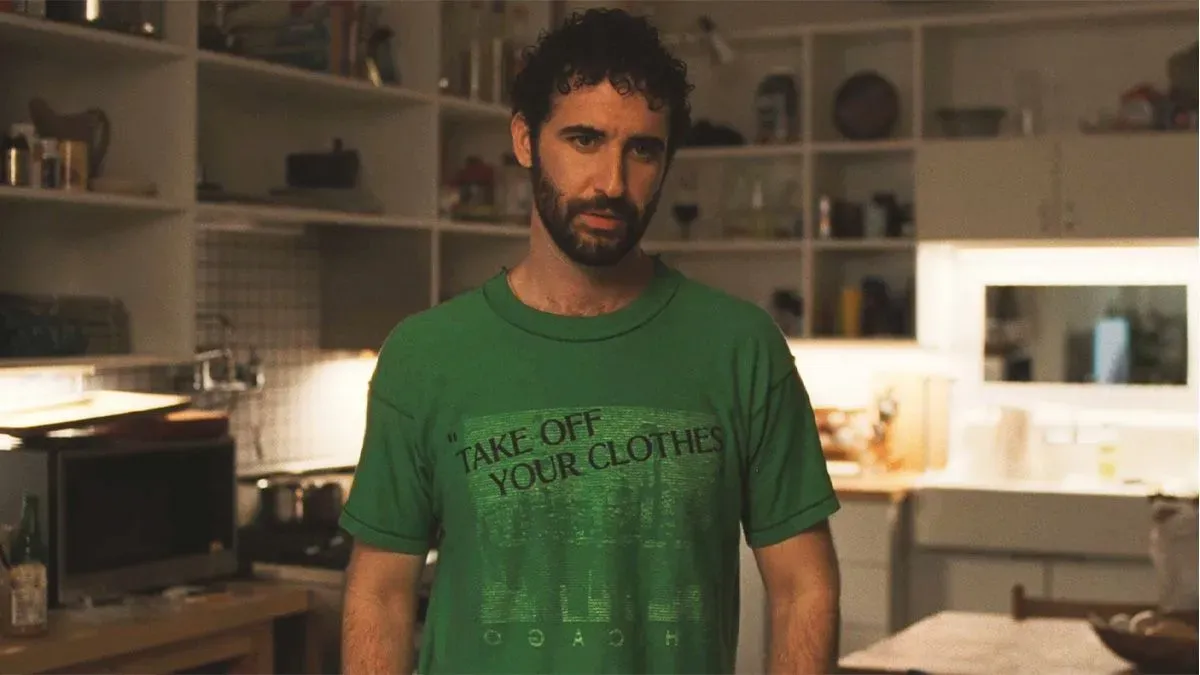
The film's star, Firstman, was also seen sporting a tee with the words "Take off your clothes printed on it. This is not an isolated incident - several tech companies have jumped into the merchandising game. Palantir, for instance, released a chore jacket emblazoned with a slogan that echoes those found in upscale restaurants.
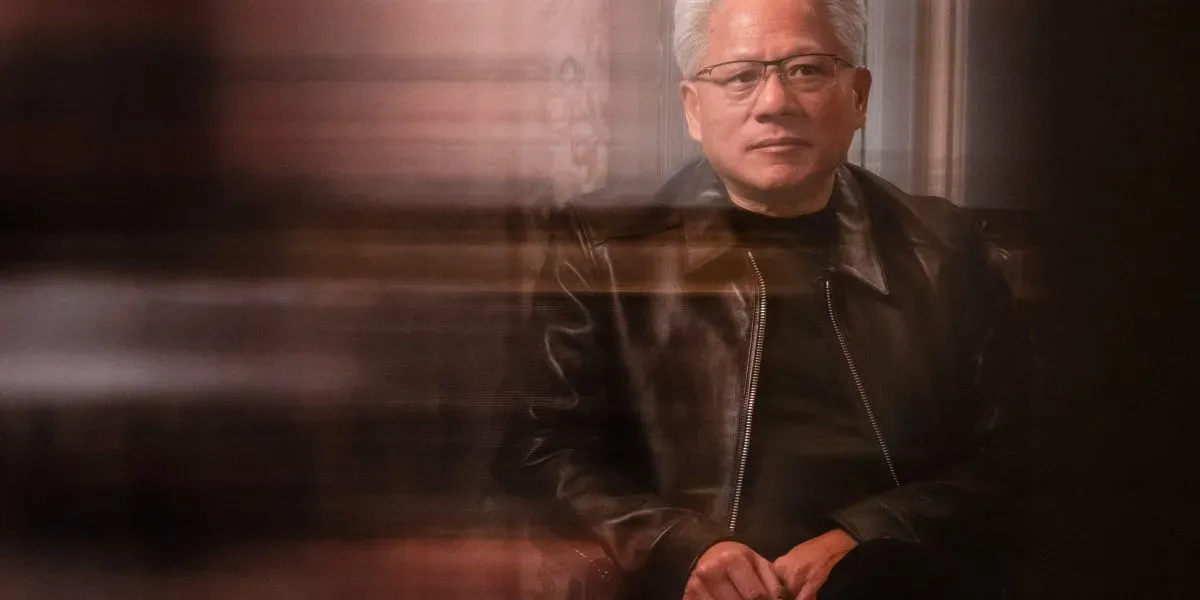
The company's broader apparel line has reportedly been performing well, especially in South Korea where a windbreaker sold out quickly. The price tag of $170 may seem steep for some, but it's not the only high-end item on offer. Nvidia, another tech giant, released a sweater featuring a cartoon of their CEO, Jensen Huang, wearing a leather jacket.
The design has taken on a life of its own, with one seller listing it on Ebay for a whopping $2,500. It seems that controversy can be a powerful marketing tool - the resale value of this sweater is skyrocketing following the scandal surrounding Huang's extramarital affair with a potential Chinese spy.
OpenAI has also gotten in on the action, offering its own line of merchandise including racing-style shirts, bumper stickers, and caps. The prices are relatively low compared to some of the other items on offer - $75 for a shirt, $10 for a sticker, and $40 for a cap. It's clear that tech companies are eager to tap into this lucrative market and capture the attention of their target audience.
Luxury brands are facing a growing challenge as consumers increasingly opt for merchandise that offers similar status and style at a fraction of the cost.
Consumer sentiment in the US is stagnant, yet spending on discretionary items has actually risen, indicating a shift towards more affordable luxury alternatives.
Across major markets like the US, Europe, and China, shoppers are becoming more discerning, making purchasing decisions based on a brand's values and offerings rather than just its prestige.
Merchandise that conveys cultural belonging and community affiliation is gaining traction, with items like band tees and gaming-inspired sneakers appealing to younger generations seeking affordable ways to signal their style.
Beauty brands are also trying to tap into this trend, but face the hurdle of turning products into wearable advertisements, as seen in the recent success of the Rhode phone case.
Tech giants are not typically associated with physical merchandise, as their products are largely intangible and digital.
However, companies like these can benefit from creating merchandise that appeals to fans and enthusiasts who want to show off their allegiance.
For beauty brands, merchandise offers a way for customers to express their appreciation for the brand and its community, much like fans of music or sports teams do with their jerseys and caps.
The trend is driven by young people's desire to feel part of something larger than themselves, whether it's a brand, a subculture, or a virtual world.
The trend of merchandise has been on the rise in the world of luxury brands, driven by the desire for exclusivity and experience. Brands are now looking to create their own unique codes and signals that resonate with customers, making them feel part of a larger community.
To succeed in this market, Richardson advises brands to focus on creating an aura around their brand, rather than just selling products. This means building a cool, interesting, and culturally relevant image that transcends the actual items being sold. As Emma Hope Allwood notes, it [almost] doesn't matter what you're selling, because what you're selling is the aura, this ineffable, 'it', cool factor.
However, not all merchandise is created equal, and luxury brands looking to re-enter the market must be careful not to dilute their image. As Sara McAlpine notes, not all merch is cool, highlighting the risks of attempting to capitalize on the trend without careful consideration.
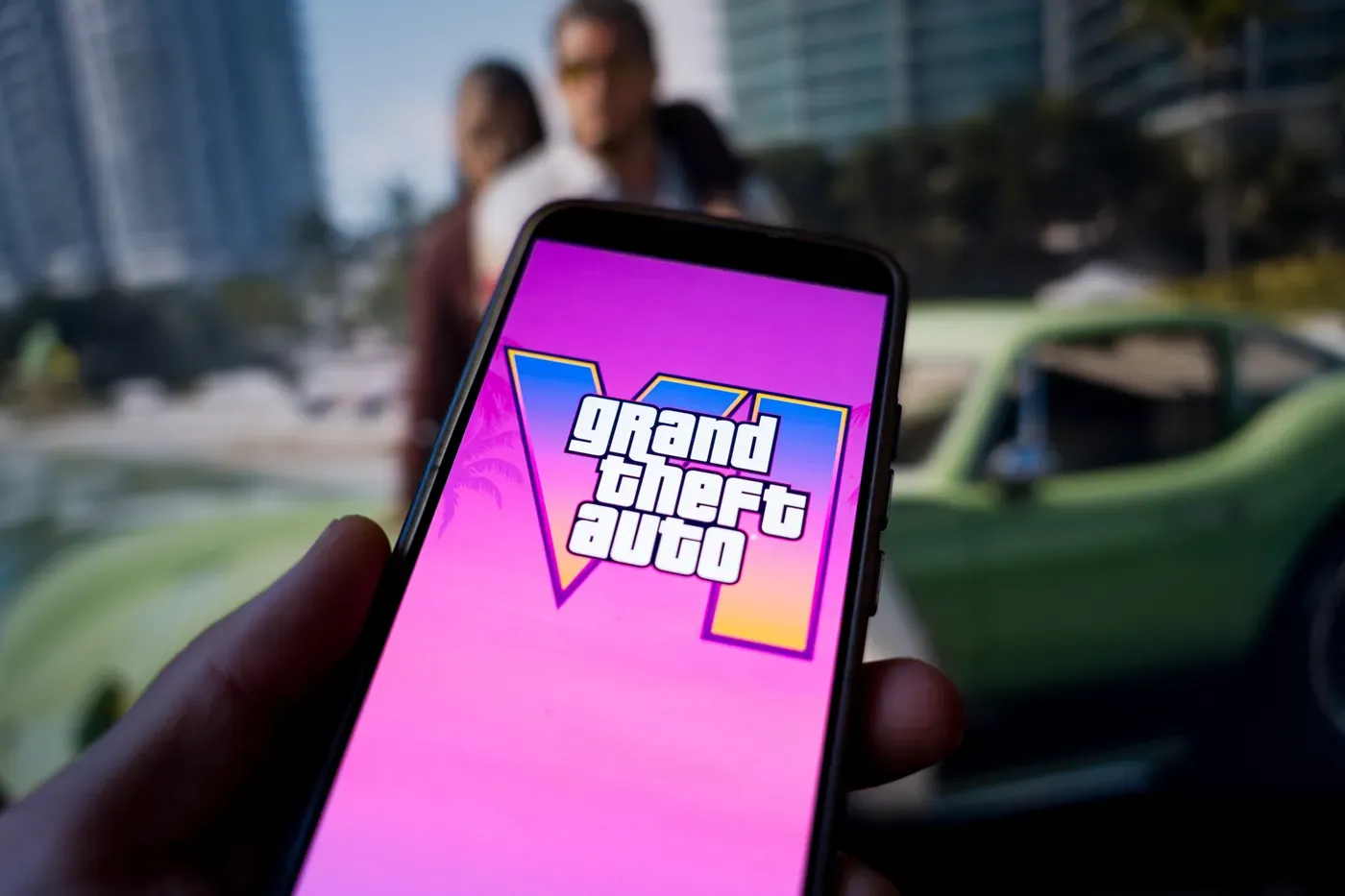
The capsule collection released by Rockstar to coincide with their game has been praised for its quality and authenticity. Gaming companies often struggle to execute promotional merchandise effectively, but in this case, Rockstar's efforts paid off.
A fan who spent £250 at the pop-up shop was impressed by the attention to detail and coherence of the collection. The capsule delivered on its promise of being just as good as the game", according to the satisfied customer. This is a testament to the power of well-designed merchandise in enhancing the gaming experience.
The success of Rockstar's merch highlights the potential for brands to communicate their unique identity through limited-edition releases, such as one-off T-shirts given out during events like Notting Carnival. By creating a sense of exclusivity and shared experience, these initiatives can foster a strong connection between consumers and the brand.
Facts based on reporting originally published by Vogue.
You may republish this story, in full or in part, if you credit News Central Site and link to it (licence CC BY 4.0). Photos are not included.