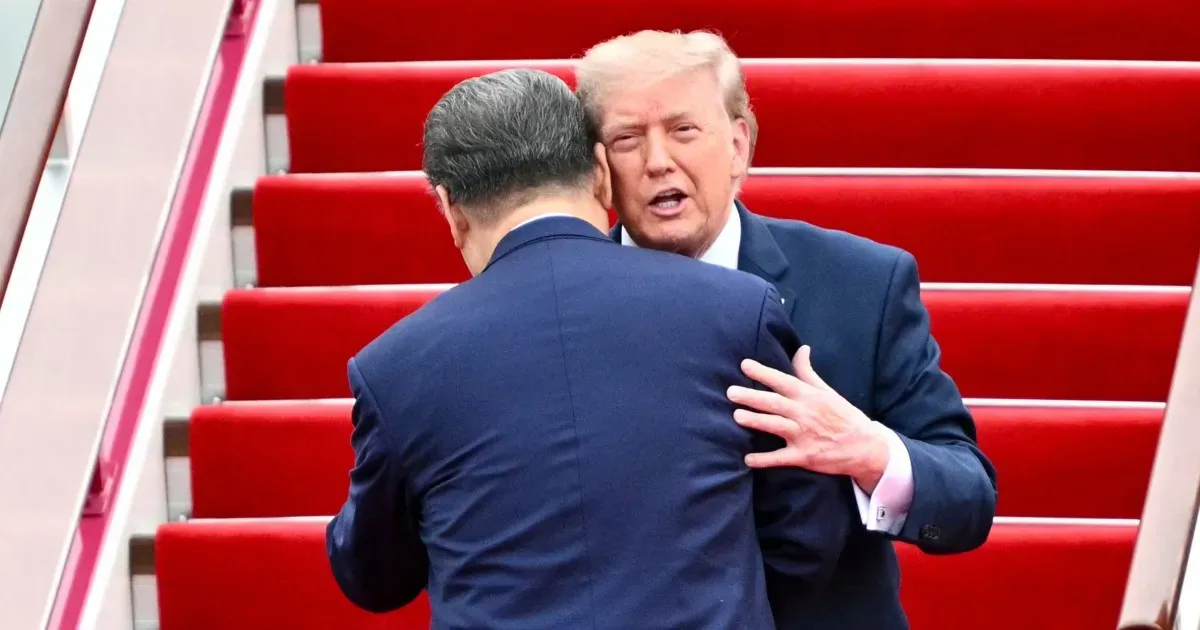
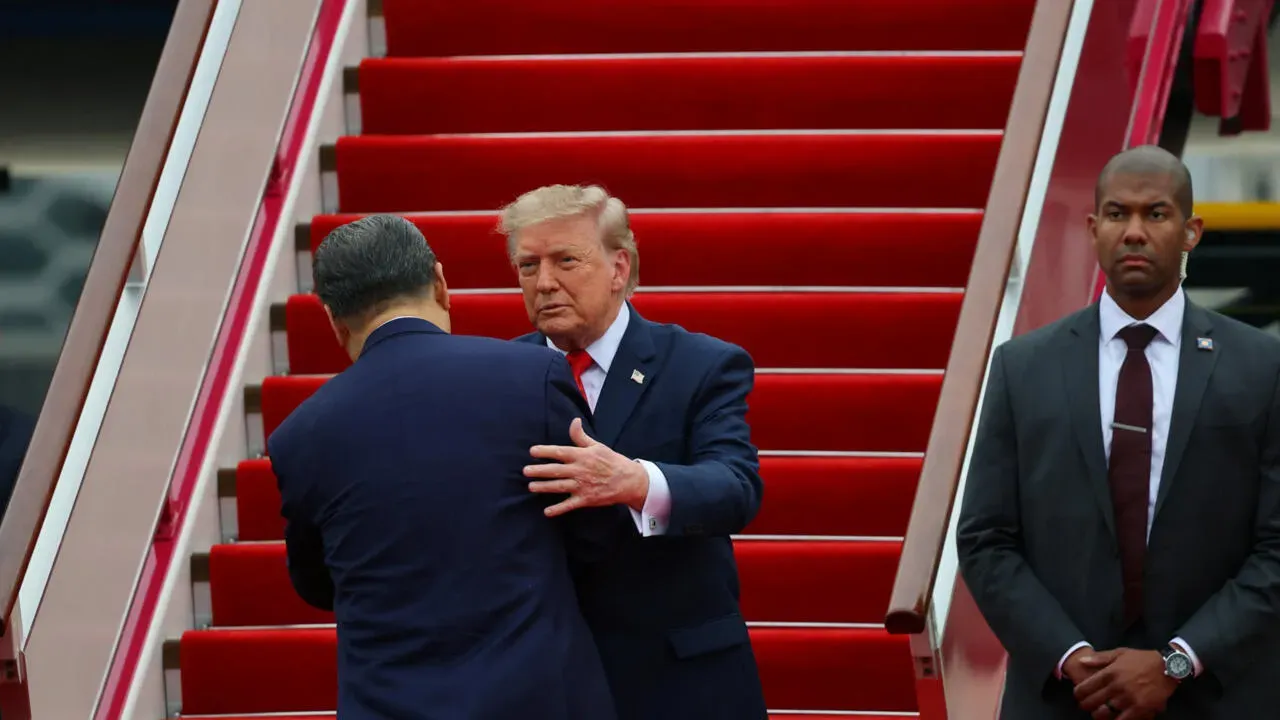
US President Donald Trump Arrives in Shenzhen for APEC Summit
Donald Trump is attending the Asia-Pacific Economic Cooperation summit in China where he will meet with Chinese leader Xi Jinping on Thursday to discuss issues including American citizens being held in China.
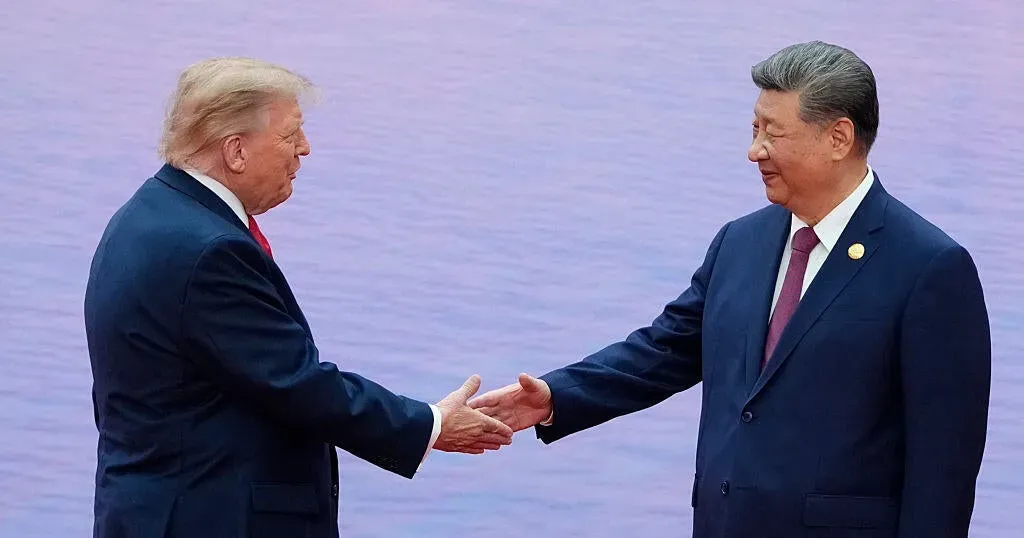
US President Donald Trump has arrived in Shenzhen, China for the Asia-Pacific Economic Cooperation summit, where he will meet Chinese leader Xi Jinping on Thursday. This is Trump's third visit to Washington since taking office, and it comes after his previous discussions with Xi about American citizens being held in China.
The families of those detained Americans have been told that Trump intends to bring up their cases again during the meeting. The White House has pointed out that Trump had mentioned discussing the issue extensively with Xi earlier this month, highlighting the administration's track record of securing releases for US nationals.
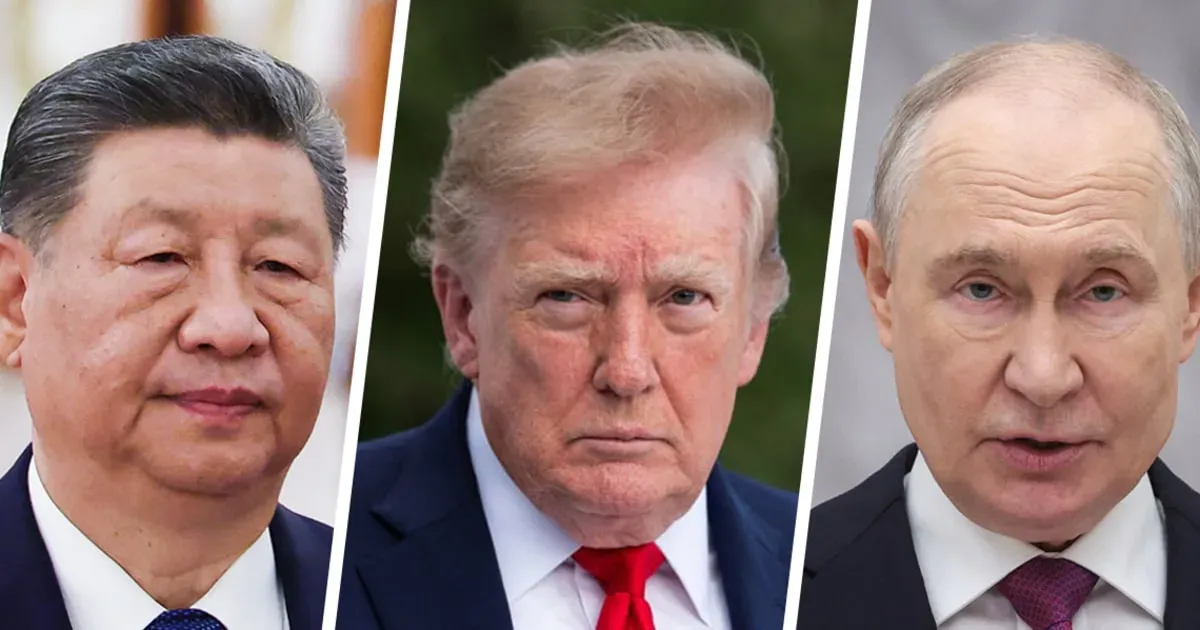
Trump is also scheduled to hold a three-way meeting with Russian President Vladimir Putin later on Thursday, in addition to his bilateral talks with Xi.
Sylvia Zin has expressed her gratitude towards President Trump for continuing to raise awareness about her husband's wrongful detention in China. Her husband, Min Zin, a naturalized American citizen who fled Myanmar during the 1980s pro-democracy movement, is being held without access to legal counsel at an undisclosed location.
In addition to Sylvia Zin's husband, another American, Youlin Chen, has been detained in China since November of last year. The circumstances surrounding their detention are unclear, but it is known that they have both been denied access to proper representation and due process.
The President's commitment to addressing the issue of wrongful detentions will likely be a focal point during his upcoming bilateral talks with Chinese leaders.
Min Zin's family claims he was lured to China for an academic conference that never materialized, instead being arrested on false charges.
The Chinese professor who invited Min Zin to the conference has been linked to the country's Ministry of State Security, which is holding him under a system known as Residential Surveillance at a Designated Location (RSDL).
This secret detention method has raised concerns from human rights groups, who describe RSDL as a form of arbitrary and incommunicado detention.
Chinese authorities have accused Min Zin of activities that put national security at risk, including suspected espionage, but his family strongly disputes these allegations.
Min Zin's case is not an isolated incident; the US administration has highlighted its record of securing the release of detained Americans from various countries.
The US administration has demonstrated its ability to secure the release of detained Americans from various countries, a trend that continues with recent developments in Russia and China. In October, the last American formally designated as wrongfully detained in Russia, Stephen Hubbard, was freed without a prisoner swap after President Trump personally appealed to Putin for his release.
The number of Americans imprisoned in Russia is estimated at around 20, with some cases being reviewed by Secretary of State Marco Rubio for potential designation as wrongfully detained. This has led to increased scrutiny of the risks facing Americans traveling to China, where there are concerns about wrongful detention. The US government has taken steps to warn American travelers about these risks, reinstating a "D risk indicator on its China travel advisory in October.
The removal of China's D" risk indicator from the US travel advisory in November 2024 was seen as a positive development for relations between the two countries. However, this change has not led to any release of American detainees held in China.
The detention of these individuals remains a contentious issue, with some senior Trump administration officials advocating for a more aggressive approach towards Beijing. This stance is reflected in the consideration of raising China's overall advisory level to 3, which would advise Americans to reconsider travel to the country.
Senior officials have publicly disagreed on how to confront Beijing over issues such as sensitive chip exports through third countries, with some calling for tougher measures and others warning against provoking a confrontation.
Tensions between Washington and Beijing are set to escalate further as President Trump prepares to press Chinese leader Xi Jinping on the issue of detained Americans in China.
The president's stance on China is nuanced, reflecting his desire for a more collaborative approach, yet also his willingness to impose stricter export controls when necessary.
Facts based on reporting originally published by CBS News World.
You may republish this story, in full or in part, if you credit News Central Site and link to it (licence CC BY 4.0). Photos are not included.