FTX Founder's Alleged Misappropriation Raises Questions about Effective Altruism
A Netflix series explores the rise and fall of FTX, a cryptocurrency exchange company founded by Sam Bankman-Fried, who advocated for effective altruism.
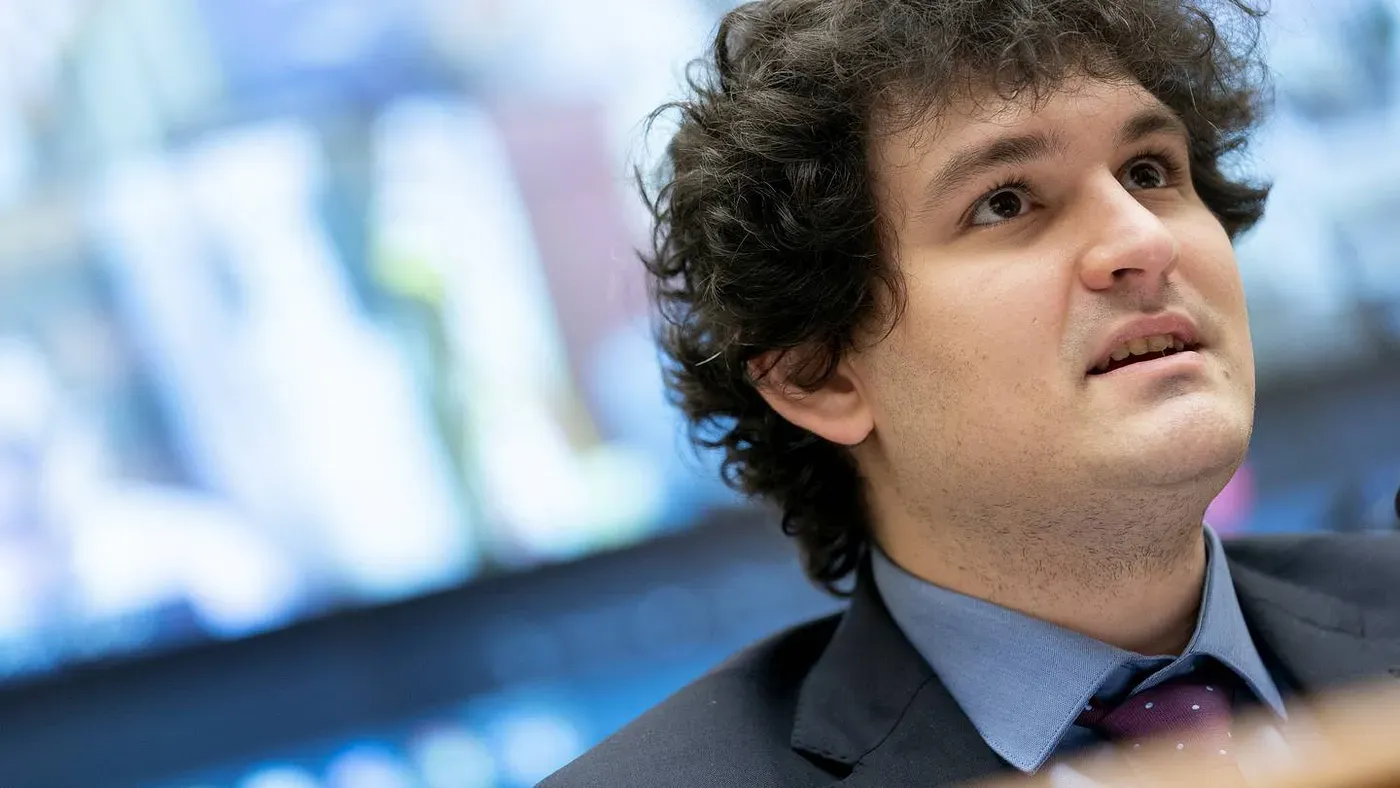
The collapse of FTX has left many wondering how an organization founded on a philosophy of doing good ended up in financial ruin due to alleged misappropriation of customer funds. The Netflix series "The Altruists delves into the rise and fall of the cryptocurrency exchange company, raising questions about the true nature of its founder's intentions.
Sam Bankman-Fried, FTX's founder, was once a prominent advocate for effective altruism, a philosophy that utilizes research and evidence to identify global problems and develop strategies for solving them. This ideology emphasizes the importance of using data-driven approaches to maximize positive impact on the world.
The philosophy of effective altruism encourages individuals to prioritize causes with the greatest potential for positive change, often involving large-scale investments in areas like global health and poverty alleviation. Bankman-Fried's association with this movement led many to view him as a champion of doing good.
As FTX's collapse has shown, however, there appears to be a significant disconnect between the founder's stated values and his actual actions. The question remains: how did an individual who claimed to prioritize global well-being end up accused of mismanaging customer funds on such a massive scale?
The principles of effective altruism were central to Bankman-Fried's business ventures, but they have been put to the test by his downfall.
This philosophy emphasizes the use of reason and logic to identify global problems and solutions, with a focus on maximizing positive impact through evidence-based decision-making.
Effective altruism encourages individuals to think critically about their actions and allocate their resources in ways that promote the greatest good for the largest number of people.
Bankman-Fried's commitment to effective altruism was not just a personal virtue; it also influenced his business decisions, with many of his ventures aimed at addressing pressing global issues such as poverty and inequality.
The website of one prominent effective altruism program describes the movement as an ongoing research project that seeks to apply scientific evidence and careful reasoning to find the best ways to help others.
Effective altruism is a global movement that seeks to apply scientific evidence and careful reasoning to find the best ways to help others. It's not just about making charitable donations, but also about putting those findings into practice through dedicated efforts.
The movement draws inspiration from philosophers like Peter Singer, who argue that people have a moral obligation to assist those in poverty. Over the years, effective altruism has mobilized vast amounts of money, with billions of dollars donated to various causes. This financial backing allows individuals and organizations to tackle pressing social issues.
Effective altruists often choose between two main paths: dedicating their time or careers to specific social problems, or pursuing a career that generates significant income to be donated to charity through the earn to give" approach. This strategy involves maximizing one's earnings in order to make substantial donations.
Bankman-Fried's exposure to effective altruism began when he met William MacAskill, one of its founders, during his undergraduate studies at MIT. Less than a decade later, he made a public pledge to donate the entirety of his net worth, reportedly valued at some $26 billion, to charity. His desire to make as many donations as possible drove him to take significant financial risks.
His decision to donate such a substantial portion of his wealth was likely influenced by his commitment to helping others through effective altruism. Bankman-Fried's actions reflect the movement's emphasis on putting scientific evidence and careful reasoning into practice for the greater good.
The collapse of FTX has been met with both disappointment and vindication within the effective altruism community. While some proponents had hailed Bankman-Fried's ambitious charitable plans as a benchmark for the movement's ideals, others had expressed reservations about his business practices.
Critics of effective altruism have seized on the debacle to argue that the pursuit of grand social impact can sometimes lead individuals to sacrifice ethics and transparency in their personal dealings. The Centre for Effective Altruism has issued statements condemning Bankman-Fried's actions as a betrayal of core values such as honesty, humility, and integrity.
However, it would be inaccurate to suggest that effective altruism directly prompted Bankman-Fried's questionable behavior. Instead, his involvement with the movement highlights the risks associated with prioritizing future outcomes over present-day responsibilities.
Leaders within the effective altruism community have consistently denounced Bankman-Fried's actions in the years following FTX's collapse. Their responses underscore the importance of upholding integrity and accountability in pursuit of a higher purpose.
The controversy surrounding FTX serves as a sobering reminder that the pursuit of social good must be tempered by moral principles, lest it lead to unintended consequences that undermine its very goals.
The pursuit of social good can sometimes lead individuals to prioritize future benefits over current moral obligations. This is evident in the actions of a prominent figure who was deeply influenced by the philosophy of effective altruism. By focusing exclusively on potential outcomes, individuals may overlook the importance of upholding integrity and ethics in their daily lives.
Failing to act with integrity in the present can have severe consequences, as it undermines the very goals that drive social good initiatives. The connection between effective altruism and its potential pitfalls serves as a cautionary tale for those seeking to make a positive impact on the world. Ultimately, balancing ambition with moral principles is crucial for creating lasting change without causing harm.
Facts based on reporting originally published by Mental Floss.
You may republish this story, in full or in part, if you credit News Central Site and link to it (licence CC BY 4.0). Photos are not included.