Pakistan Minister Visits India for SCO Dialogue
Pakistan's Climate Change Minister Musadik Masood Malik will participate in the Shanghai Cooperation Organization (SCO) Civilizational Dialogue in New Delhi from November 20 to 22.
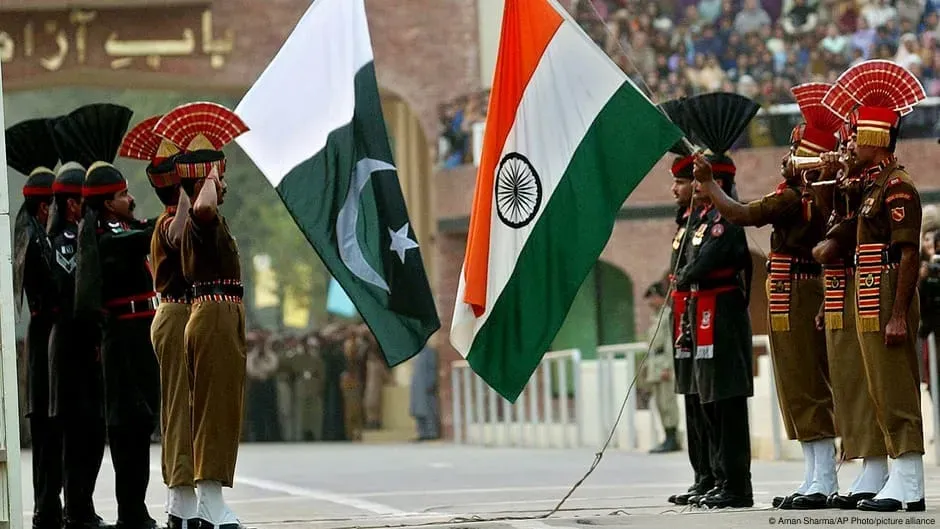
Pakistan's Climate Change Minister Musadik Masood Malik will embark on a three-day trip to India from November 20 to 22, where he will participate in the Shanghai Cooperation Organization (SCO) Civilizational Dialogue in New Delhi.
This diplomatic visit marks a significant development in the fragile relationship between the two nuclear-armed nations. It is the first time a Pakistani federal minister has visited India since the brief but intense military confrontation last year.
The tensions between India and Pakistan escalated after armed gunmen killed over two dozen tourists, mostly Hindus, in the Indian-administered Kashmir region in April 2025. Islamabad was accused by New Delhi of supporting the attack, a claim that Pakistan vehemently denied.
In the aftermath of the military confrontation, diplomatic relations between the two countries have remained strained, leaving little room for official engagement or cooperation.
The SCO Civilizational Dialogue is an initiative proposed by Indian Prime Minister Narendra Modi at the SCO summit in Tianjin in September 2025.
The invitation extended by New Delhi to Islamabad is largely procedural in nature.
As host of the SCO summit, India was duty-bound to invite all member countries to participate in the forum, which was initiated by Prime Minister Narendra Modi at the 2025 SCO summit in Tianjin.
While some may assume that this development signals a breakthrough in diplomatic relations between the two nations, experts caution against jumping to such conclusions.
Pakistan's decision to send a senior minister is primarily driven by its desire to maintain its influence within the SCO organization.
The country currently holds the chairmanship of the SCO Council of Heads of State for 2026-27 and will host the next leaders' summit in Islamabad in August 2027, a position it wants to retain.
As Pakistan continues to hold the chairmanship of the Shanghai Cooperation Organization (SCO), Islamabad sees its current visit to India as an opportunity to further engage with New Delhi within the framework of the SCO.
Former Indian ambassador T C A Raghavan points out that both countries consider the SCO a vital platform, and this visit should be viewed in that context rather than as a development in bilateral relations between the two nations. Raghavan believes Islamabad is being pragmatic by maintaining open channels during its chairmanship period.
India's stance on Pakistan has remained unchanged since the April 2025 attack, with the country emphasizing that terrorism and talks cannot go hand-in-hand. India's Foreign Ministry spokesperson Randhir Jaiswal confirmed this stance at the end of October, reiterating that there had been no shift in policy.
Pakistan, however, continues to raise contentious issues such as Kashmir and the Indus Waters Treaty, which New Delhi suspended following the attack. Pakistan's climate change minister has been a vocal advocate for its water rights, warning India against any attempt to encroach on its share of water resources.
Experts like Sanjay Kumar Bhardwaj, a professor at Jawaharlal Nehru University, suggest that India's engagement with the SCO reflects its multi-aligned foreign policy approach.
The visit by a Pakistani minister to India is being seen as a tentative step forward in bilateral relations, but experts are not holding their breath for any significant breakthrough.
While official talks remain stalled since the 2025 confrontation, informal channels of communication have continued between Indian and Pakistani diplomats, strategists, parliamentarians, and retired military officers. These back-channel meetings allow participants to gauge each other's perspectives and keep lines of communication open, reducing the risk of miscalculation in the process.
The absence of formal negotiations is underscored by New Delhi's insistence that retired officials attending these meetings do so in their personal capacities, rather than as representatives of the government. This assessment is supported by a recent report from the International Institute for Strategic Studies, which noted that both governments appear reluctant to revive secret talks despite their past utility in stabilizing relations.
The success of this visit will ultimately depend on Pakistan's actions, according to observers. If Islamabad avoids grandstanding and offers credible assurances on terrorism, it could pave the way for a more significant development: Indian leaders attending next year's SCO summit in Islamabad, which would be a crucial test of progress in bilateral ties.
Facts based on reporting originally published by DW English.
You may republish this story, in full or in part, if you credit News Central Site and link to it (licence CC BY 4.0). Photos are not included.