The Legend of Zelda: Ocarina of Time Switch 2 Remake Announced
A remake of the classic game is set to be released for the Nintendo Switch 2 in 2026, featuring a visual overhaul and improved gameplay.
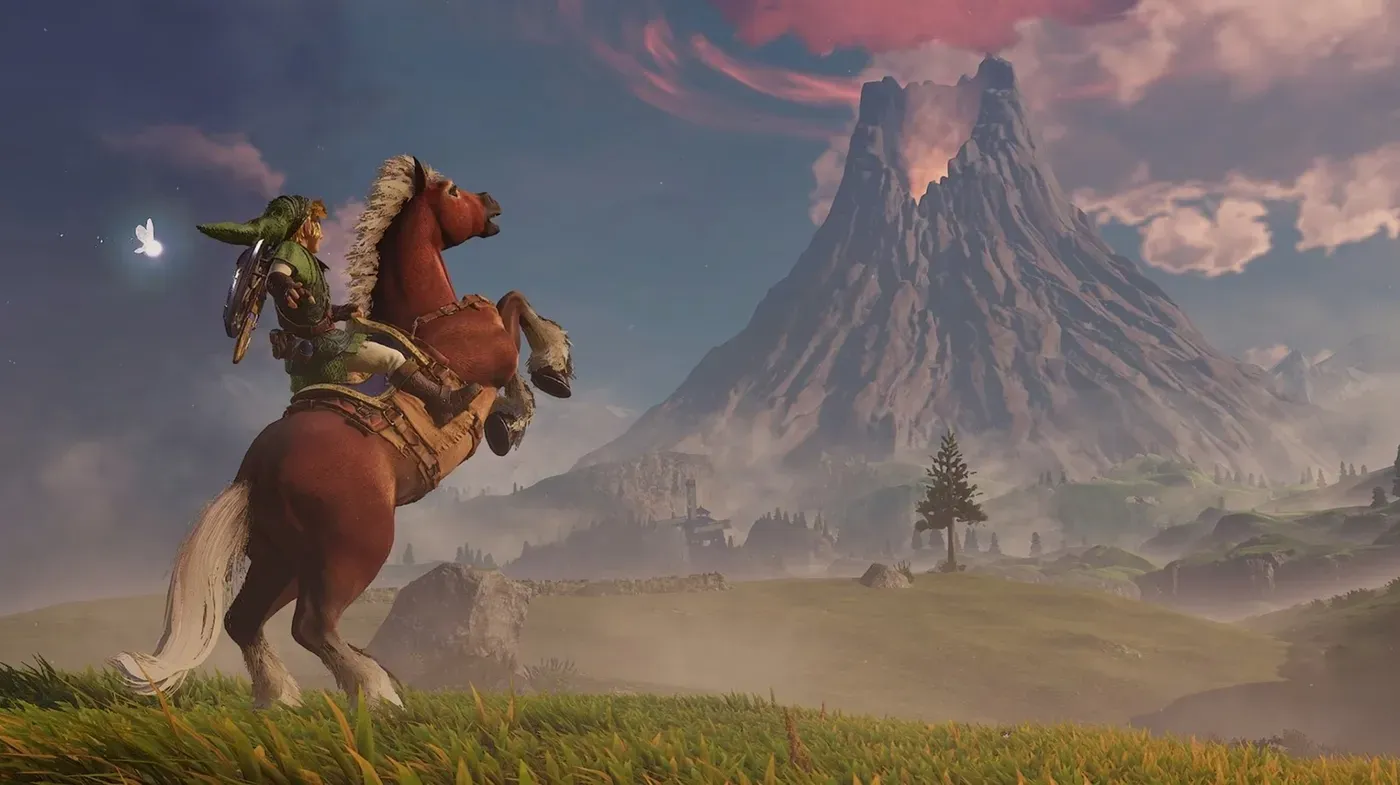
The Legend of Zelda: Ocarina of Time is one of the most iconic games in the industry's history, and its upcoming remake for the Switch 2 has been generating immense hype among fans. The game's original release in 1998 was a groundbreaking achievement that redefined the action-adventure genre by transitioning from 2D to 3D graphics.
Its influence can be seen in numerous other games that followed in its footsteps, and it remains one of the highest-rated titles on Metacritic, with an impressive score that surpasses several other iconic games. The game's remake has been highly anticipated since Nintendo announced its plans to revamp the classic title, and now that a preview has been made available for the Switch 2, it's clear that the hype was justified.
The visual overhaul of the game is undoubtedly one of its most striking features. While the original N64 version still holds up remarkably well today, its age can be seen in some areas where graphics have become increasingly sophisticated over the years. In contrast, the remake boasts breathtakingly detailed environments and characters, with a level of polish that's typical of modern games.
Nintendo has clearly put a great deal of effort into revamping Hyrule, the game's central setting, giving it a fresh new look that's both faithful to its original design and modernized for contemporary audiences. The result is a world that feels vibrant and immersive, with intricate details that invite exploration and discovery.
The Switch 2 version promises an unparalleled gaming experience, one that combines stunning visuals with gameplay that's even better than before. With the remake set to be released in 2026, fans of the series will have a lot to look forward to as they revisit this beloved classic in a whole new light.
The Legend of Zelda: Ocarina of Time remake is a visual feast, and its graphical treatment brings new life to familiar environments. The once-familiar landscapes now teem with vibrant colors and textures that transport players to the world of Hyrule. In particular, Kokiri Forest has been transformed into a lush and overgrown expanse, while the bustling main square in Hyrule Castle Town is filled with people and their pets.
One of the most striking aspects of the remake's visuals is its attention to detail. Even small items like the Deku Shield have been reimagined with new textures that blend seamlessly into their surroundings. The shield now appears as a natural part of the forest, rather than a simplistic prop. Similarly, Link's appearance has also been refined, with his nose finally taking on a more realistic shape.
The remake's focus on detail extends to its environments as well. Exploring the Forest Temple reveals new depths and dimensions that were previously hidden. The addition of low-lying fog creates an eerie atmosphere, while the sound effects and visuals work together to create a truly immersive experience.
In combat, the remake's visual effects are equally impressive. When Link swings his sword, brilliant particles burst forth from the impact point, adding a new layer of depth to the action. The updated animation for his Spin Attack also sends out waves of energy, emphasizing the move's power and importance in battle.
The attention to detail and graphical treatment have elevated the remake beyond mere visual updates. Every aspect of the game has been carefully considered, from the smallest details like Link's nose to the larger environments that transport players to the world of Hyrule.
The Legend of Zelda: Ocarina of Time remake boasts impressive visuals, but it's not without its minor flaws. One notable issue lies in the depiction of water, which can look somewhat unnatural. For instance, after a swim, Link appears to be covered in a substance that resembles syrup rather than water.
Streams and rivers also seem filled with an artificial blue gelatinous substance instead of actual liquid. However, this is not uncommon among modern games, and it's easy to overlook given the game's otherwise excellent graphics.
Gameplay-wise, Nintendo has opted for a conservative approach by preserving much of the original formula. Z-targeting remains a key mechanic, although it may feel somewhat antiquated compared to more recent games. Nevertheless, the addition of an actual jump button greatly enhances platform navigation and obstacle avoidance.
The introduction of a sprint button also allows for faster exploration and travel across the world. Interestingly, players can still choose to opt out of this feature and instead use the original movement mechanics, which feel significantly smoother than their 1998 counterparts.
Another notable update is the inclusion of full-voiced cutscenes, adding an extra layer of depth to pivotal moments such as Link's initial encounter with the Great Deku tree. This addition enhances the overall sense of immersion in the game world.
The presence of voiced dialogue also brings Navi's iconic "Hey, Listen!" catchphrase to life, even if it can become repetitive over time. However, one area where text-based dialogue still dominates is in interactions with lower-level non-playable characters in town.
The Legend of Zelda: Ocarina of Time remake has introduced several quality-of-life features that enhance the overall gaming experience. One such feature is the Threads of Time system, which provides helpful story summaries and tool tips to aid in remembering the game's narrative and picking up where you left off.
These improvements are not limited to just one aspect of the game; other notable upgrades include full control over camera positioning, allowing players to adjust their view as needed. This feature is particularly useful when navigating through tight spaces or attempting to capture a specific shot.
The remake has also seen significant enhancements in swimming mechanics and inventory management. Players can now switch between tools and weapons with greater ease, thanks to the revamped inventory screen. These changes demonstrate Nintendo's commitment to refining the gameplay experience without compromising its core elements.
In addition to these notable improvements, there are numerous subtle yet impactful changes throughout the game. For instance, Link is now able to push objects to open doors, adding a tactile element to exploration. The game also features full day-night cycles and tweaked maps, further immersing players in Hyrule's world.
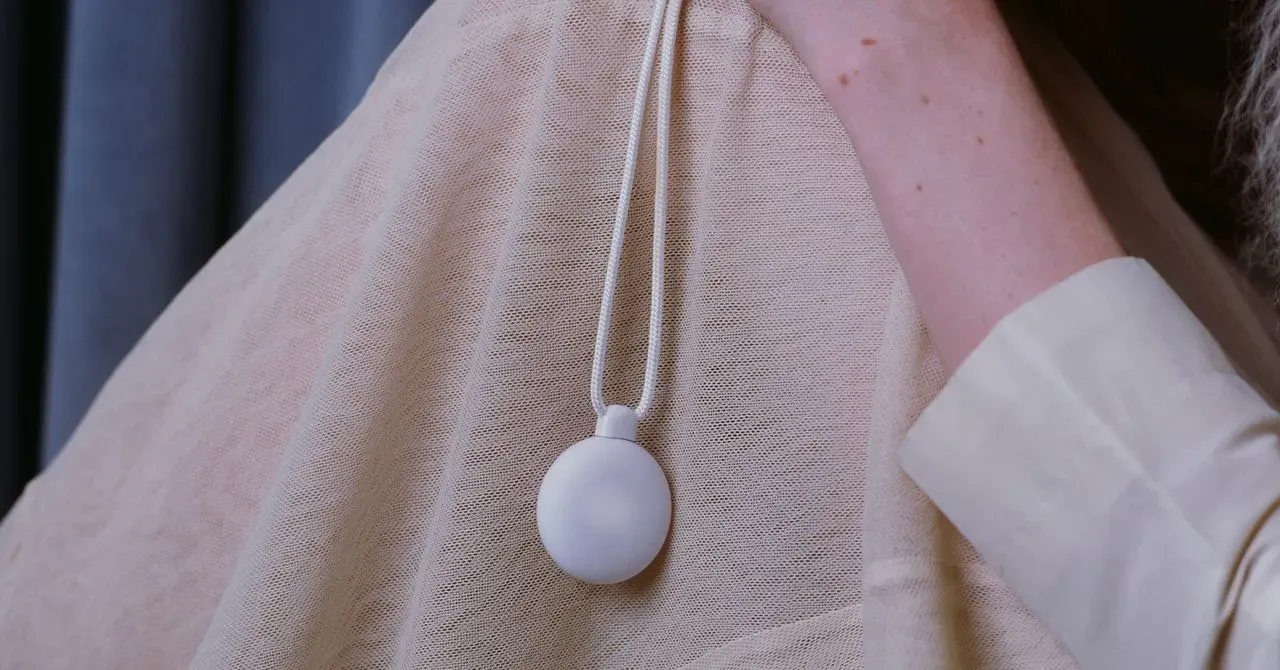
The Legend of Zelda: Ocarina of Time remake has successfully integrated various innovative elements without disrupting the original's charm. This attention to detail is evident in even the smallest aspects of gameplay, such as the ability to hum or sing into the Switch 2 to play notes on the in-game ocarina.
These thoughtful upgrades have revitalized the classic game, making it appealing to both long-time fans and newcomers alike. The remake's seamless blend of nostalgia and innovation has set a high standard for future remakes, leaving players eager to explore its depths and discover what other surprises await.
The highly anticipated remake of The Legend of Zelda: Ocarina of Time has hit a significant milestone in its pre-release cycle. The game is now available for pre-order at $60, giving fans an opportunity to reserve their copy ahead of its official release on November 5.
The wait will be over soon as the remake is set to arrive on store shelves next month, promising an immersive gaming experience that combines nostalgic charm with cutting-edge innovation. With its smooth gameplay and captivating storyline, this remake has already generated immense excitement among gamers, who are eagerly anticipating its arrival. The Legend of Zelda: Ocarina of Time for the Switch 2 is shaping up to be a must-play title.
Facts based on reporting originally published by Engadget.
You may republish this story, in full or in part, if you credit News Central Site and link to it (licence CC BY 4.0). Photos are not included.