Apple Unveils Simplified Smart Home Management System
Apple's new HomeView system integrates multiple devices without separate apps or accounts.
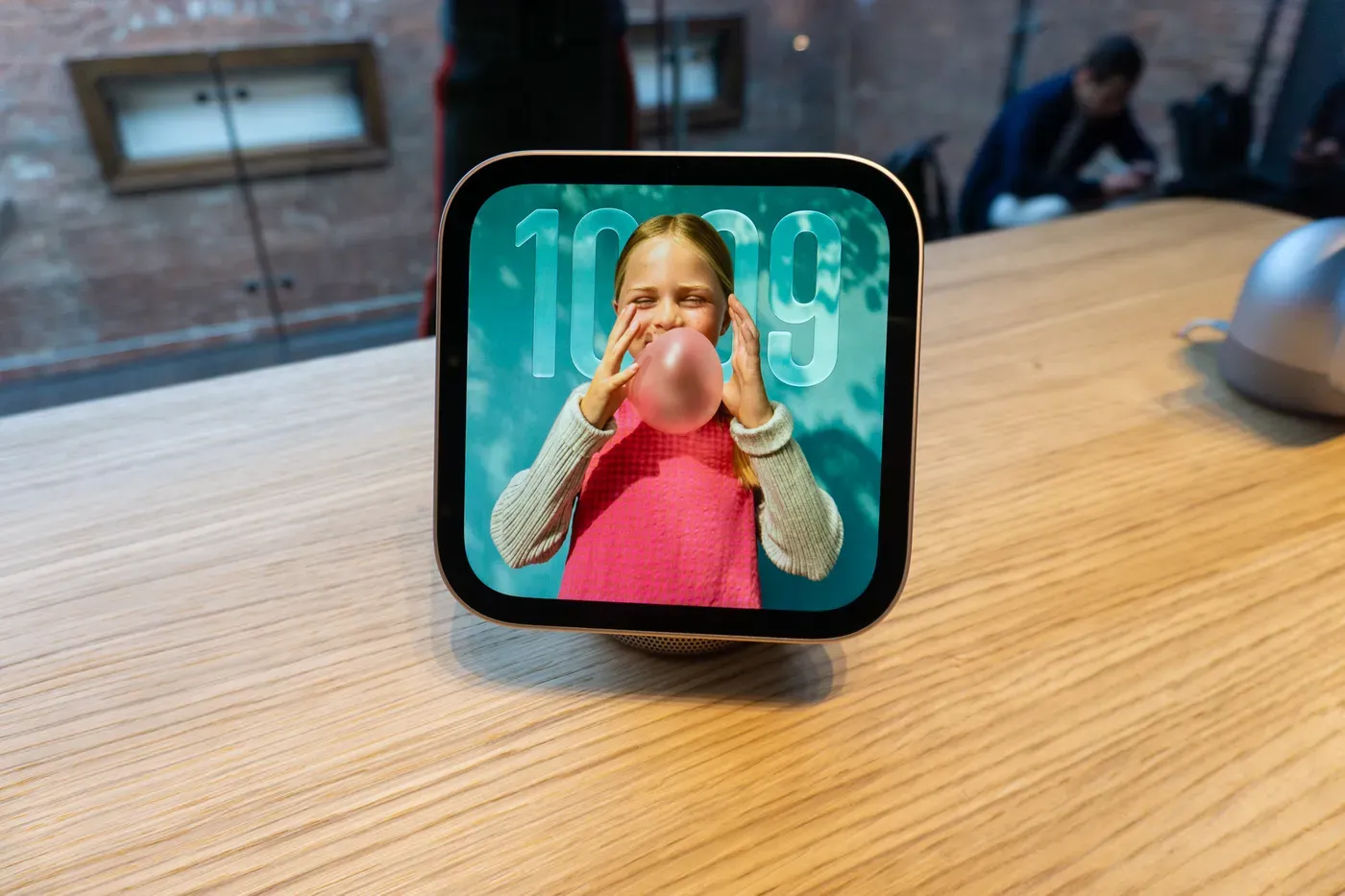
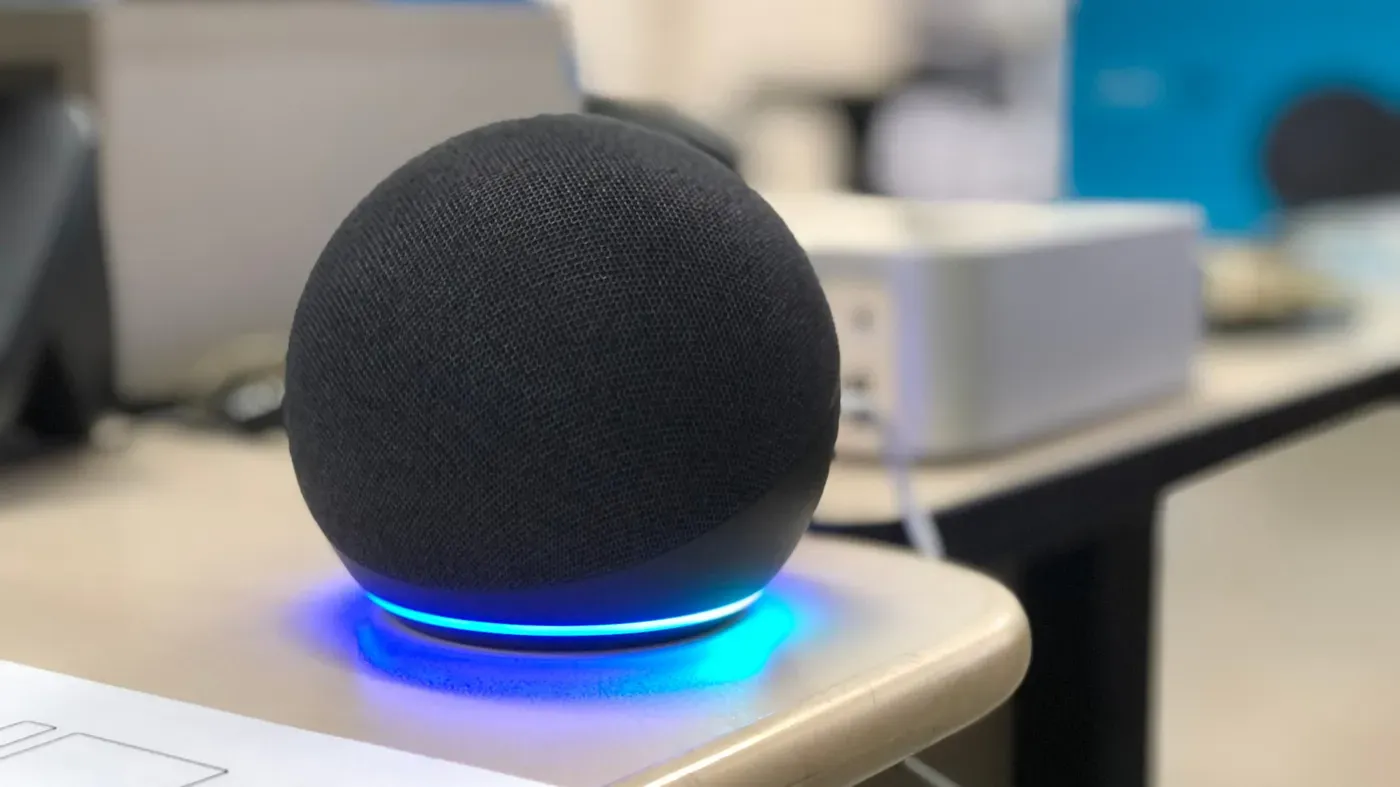
As a seasoned reporter who tests smart home devices for a living, I can attest that managing multiple products in my own home has become a daunting task. My setup includes an assortment of devices from various manufacturers, such as Hue bulbs, Govee lamps, and Eufy cameras, all connected through an Amazon Echo Show 8 with Alexa integration.
The complexity of this system is evident, with each device requiring its own app for setup and interaction. While it functions adequately, the experience can be frustrating, especially when issues arise that necessitate digging into settings to resolve them.
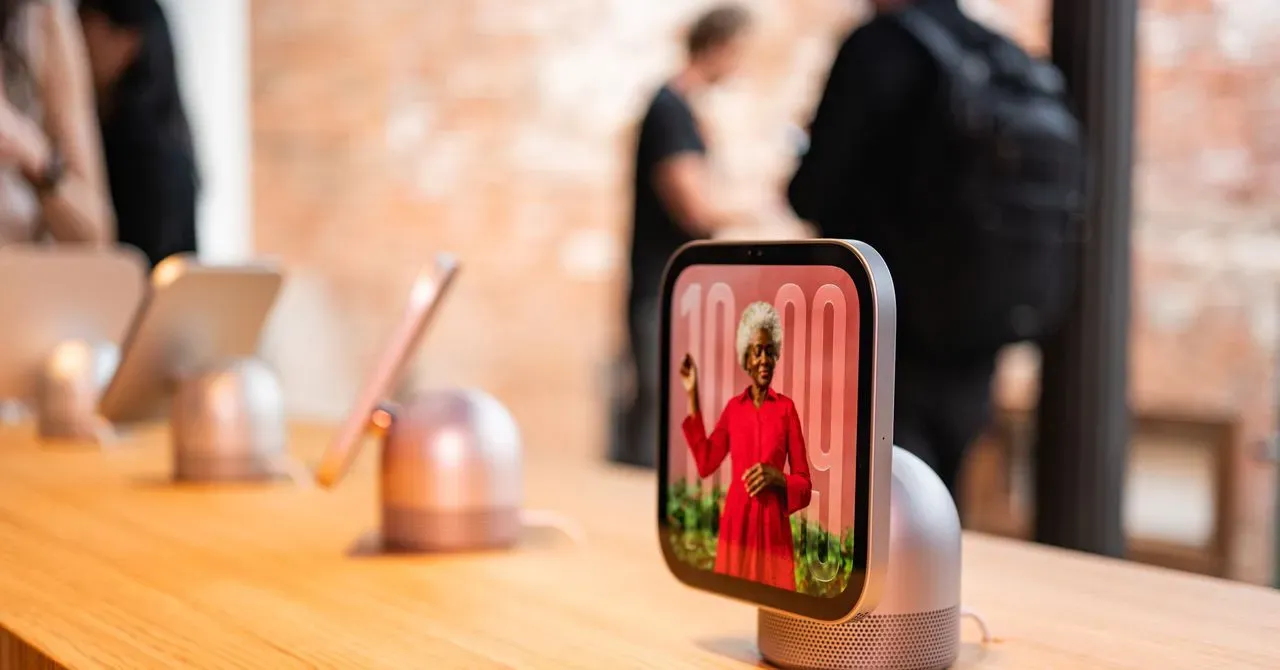
Apple's HomeView promises a more streamlined approach to smart home management. I had the opportunity to explore the HomeView at Apple's Welcome Home event in New York City, where I witnessed its capabilities across various scenarios and environments.
The key selling point of the HomeView is its ability to integrate multiple devices without requiring users to download separate apps or create individual accounts for each product. This level of integration simplifies the smart home experience and eliminates the need for constant app switching.
This approach addresses a common pain point in the smart home industry, where device manufacturers often fail to provide seamless integration with popular voice assistants.
The process of setting up smart home devices can be overwhelming, especially for those new to the technology. With multiple apps competing for attention on a single phone screen, it's not hard to imagine why many people struggle to connect their devices seamlessly.
Apple has made significant strides in addressing this issue with its HomeView system. A recent demonstration showcased the ease of pairing and registering smart home devices using only the Apple Home app. This streamlined process is reminiscent of connecting AirPods or a HomePod, making it accessible to users who may not be tech-savvy.
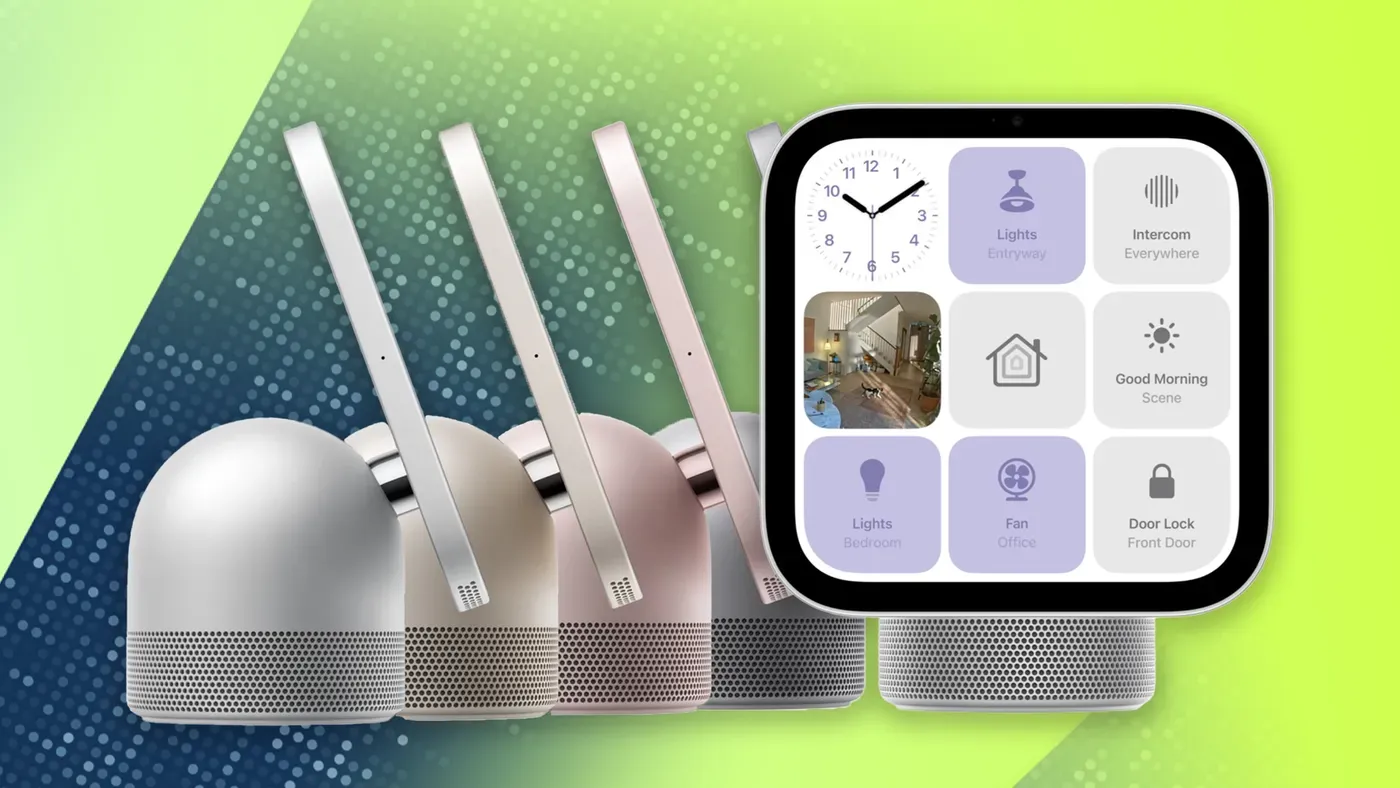
The new setup method is expected to work in conjunction with various third-party devices, including those from LG and Schneider Electric as part of the Apple Home collection, as well as Matter and Apple Home accessories. This indicates that a broad range of smart home products will be compatible with the system.
One key aspect of this development is its potential impact on user experience. A personalized profile for each family member or guest can greatly enhance the functionality of a smart home hub, allowing users to tailor access and settings accordingly. However, current implementations often fall short in terms of ease of use and effectiveness.
To achieve seamless integration with voice assistants like Siri, Apple has taken a significant step forward by removing the need for third-party apps from the setup process. This change addresses a common pain point in the smart home industry, where device manufacturers often fail to provide smooth integration with popular voice assistants.
The compatibility of HomeView with various devices and its intuitive setup method are crucial factors in making it an attractive option for consumers. By streamlining the pairing process, Apple has taken a significant step towards creating a more user-friendly smart home experience.
The HomeView's integration with Face ID proved to be a seamless experience during my brief testing period, with swift and bug-free results every time I used it.
Apple showcased the potential of the HomeView as a nightstand device in a bedroom setting, where users can enjoy enhanced privacy without compromising on smart home access. This concept highlights the versatility of the device's design, which balances functionality with user needs.
The demo environment demonstrated how multiple HomeViews can be integrated into a single setup, each registering different users and their respective profiles. The exterior HomeView displayed a security camera view while limiting guest access to certain features like temperature control or Safari.
In this simulated smart home environment, the HomeView devices seemed to work in tandem seamlessly, with user data and preferences synced across all devices.
The device's ability to register up to six users by face and create personalized profiles for each raises interesting possibilities. It is likely that these profiles will include features like child accounts, where parental controls can be set up to manage content access.
In comparison, my own kitchen setup consists of an Echo Show and an Apolosign smart calendar, both of which take up valuable counter space due to their design. The Echo Show's functionality in terms of recipe suggestions and timers is useful but the device itself is bulky.
The HomeView boasts a 7-inch square Liquid Retina display that I found to be perfectly suited for its intended purpose as a smart home screen. Its compact size makes it ideal for kitchens with limited countertop space, such as my own galley kitchen.
Its square shape and adjustable design allow users to easily view recipes or scroll through information while cooking hands-free. The base keeps the device off dirty countertops, making cleanup easier.
In contrast to my Apolosign calendar, which looks like a giant eyesore on our kitchen counter, the HomeView blends seamlessly into its surroundings. Its understated design makes it easy to overlook until needed, unlike the Apolosign's prominent display that immediately draws attention to our schedule.
The HomeView's compact design is one of its most attractive features, making it easy to integrate into any room's decor while minimizing visual clutter.
In contrast, our existing smart calendar on the kitchen wall has become a bit of an eyesore, with its exposed power cord and awkward placement giving the impression that we hastily taped a tablet to the wall.
Apple showcased several examples of mounted HomeViews in various settings, and it was clear that their professional installation process is key to achieving a seamless look. The company recommends this approach for those planning to use the HomeView as a central hub for temperature control or security monitoring.
However, Apple also offers an alternative solution for those who prefer not to drill into their walls: using an external adapter and cable to connect to a nearby outlet. This compromise between aesthetics and functionality is certainly appealing.
The HomeView's video calling capabilities are another major selling point, particularly in cases where family members or friends may struggle with low-quality selfie cameras on older devices.
By equipping your loved ones with a HomeView, you can set them up for easy video calls using Siri AI, eliminating the need for an iPhone or iPad and ensuring smoother connections.
The Apple HomeView's integration with Find My is another convenient feature that streamlines the process of locating misplaced devices. Demonstrations showcased how users can ask Siri AI to find a missing phone, remote control, or AirPods case, and it successfully located each item without requiring manual intervention.
During these demonstrations, I observed the HomeView's ability to autoframe and autofocus on video callers, which proved to be effective in avoiding distractions. This attention to detail is crucial for creating a seamless user experience, particularly when interacting with loved ones remotely.
In comparison to other smart home screens I've tested, such as the Amazon Echo Show 8 and Google Nest Hub, the HomeView's demo was remarkably smooth. Although some hiccups occurred during the demonstration due to environmental factors, the overall performance was more impressive than expected.
My experience with these devices has shown that while they work well, setting them up and managing them can be a tedious process. However, the Apple representative's demo of the HomeView revealed a more streamlined setup and management process.
The potential for the HomeView to integrate disparate third-party apps and systems into one cohesive interface is a significant selling point. If it can successfully accomplish this task at an affordable price, it would be an attractive option for those seeking a hassle-free smart home experience.
The Apple HomeView's ability to deliver on its promise of a seamless smart home experience has made a strong impression. Its user-friendly features and potential to integrate various systems make it a viable choice for those looking to simplify their home setup.
Facts based on reporting originally published by CNET.
You may republish this story, in full or in part, if you credit News Central Site and link to it (licence CC BY 4.0). Photos are not included.