Scientists discover large bacteria in human gut microbiomes
Researchers have identified DNA from Epulopiscium, a type of giant bacterium, in over 600,000 microbiome samples worldwide.
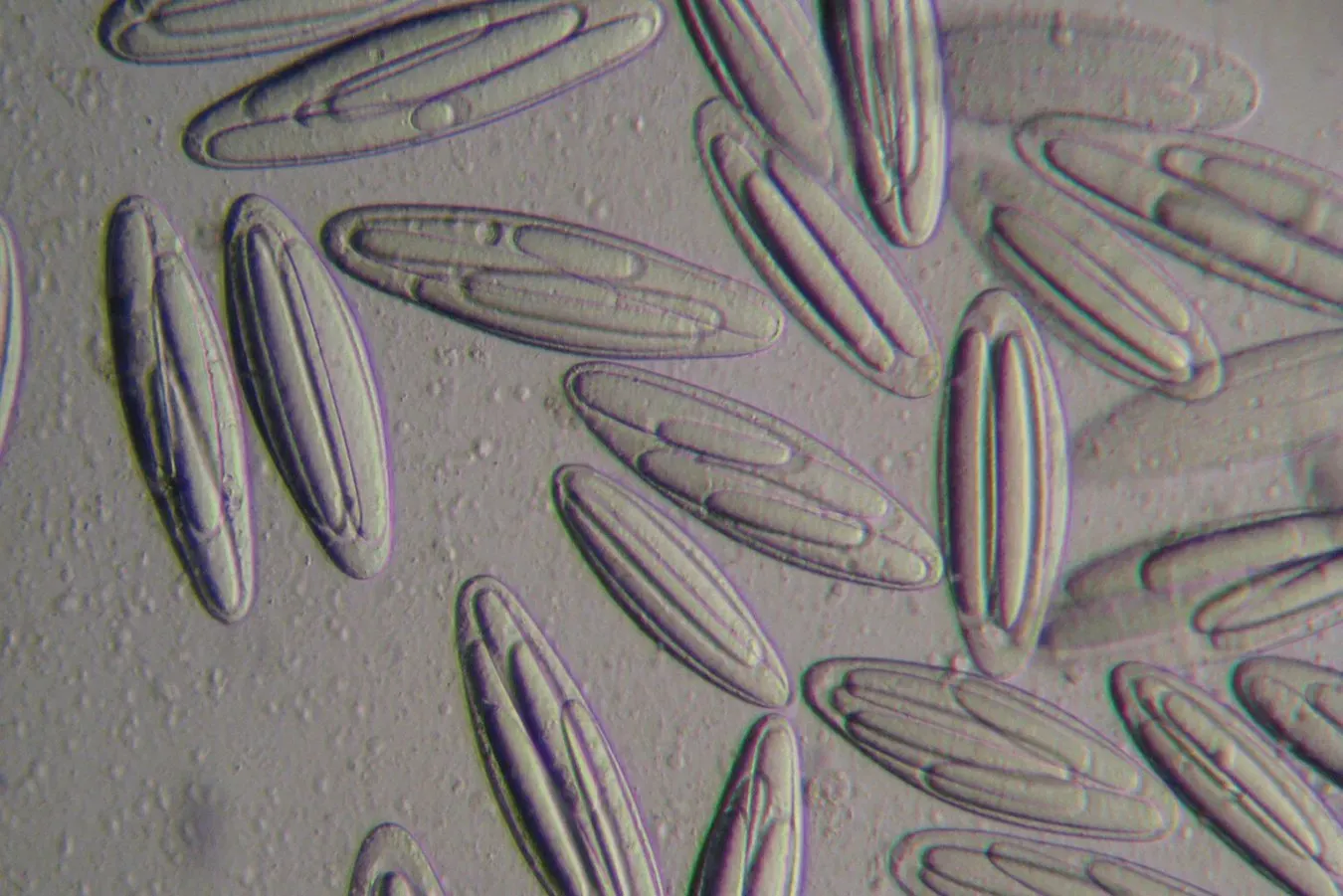
Scientists have made a surprising discovery about the bacteria that live inside our bodies. While trillions of microbes call the human gut home, some may be much larger than previously thought.
Giant bacteria are typically found in specific environments such as mangroves and fish guts, where they can reach lengths of up to 10 micrometres. However, researchers have now detected DNA from a type of giant bacterium known as Epulopiscium in human gut microbiomes.
Epulopiscium is one of the largest known types of bacteria, with some species able to grow up to 600 micrometres, more than half a centimetre, in length. This is significantly larger than most bacteria, which typically range from 2 micrometres in size.
Researchers have been studying DNA sequences from over 600,000 microbiomes, including those of humans and various animal species, to gain a better understanding of the distribution of Epulopiscium. The study has revealed that these giant bacteria are more widespread than previously thought.
The researchers found tens of thousands of positive matches for Epulopiscium DNA in samples from over 80 countries, including animals such as shellfish and ferrets.
The researchers' findings suggest that Epulopiscium species are widespread in human microbiomes, making up a small percentage of DNA sequences in most samples, but reaching higher concentrations in some cases.
In rare instances, these giant bacteria accounted for as much as 20% of the DNA identified in a sample. This unusual presence was observed alongside other microorganisms that typically dominate the gut environment.
A closer examination of the data revealed that Epulopiscium species are more prevalent during the first year of life and tend to appear in individuals with gastrointestinal conditions characterized by inflammation, such as colorectal cancer and irritable bowel disease.
According to the researchers, it's possible that these giant bacteria take advantage of an imbalanced microbiome rather than causing the condition itself, potentially serving as a marker for underlying gut issues before symptoms arise.
Research suggests that giant bacteria could be living in human guts, and scientists are working to confirm this theory by directly observing them using specialized fluorescent probes.
According to Dr Ionescu, even if the genes found in human gut samples don't belong to Epulopiscium itself, their owner is likely a closely related species with similar physical characteristics. This implies that these giant bacteria may have a broader host range than previously thought, potentially infecting various animal species beyond just humans.
To verify this hypothesis, Dr Ionescu's team will use fluorescent probes designed to bind to the identified sequences in human gut samples, allowing them to visualize and photograph the bacteria directly through a microscope.
Facts based on reporting originally published by New Scientist.
You may republish this story, in full or in part, if you credit News Central Site and link to it (licence CC BY 4.0). Photos are not included.