Russian Ballistic Missile Attack Hits President Zelensky's Hometown in Ukraine
A Russian ballistic missile attack struck President Volodymyr Zelensky's hometown in central Ukraine on Saturday, leaving a trail of destruction and loss of life.
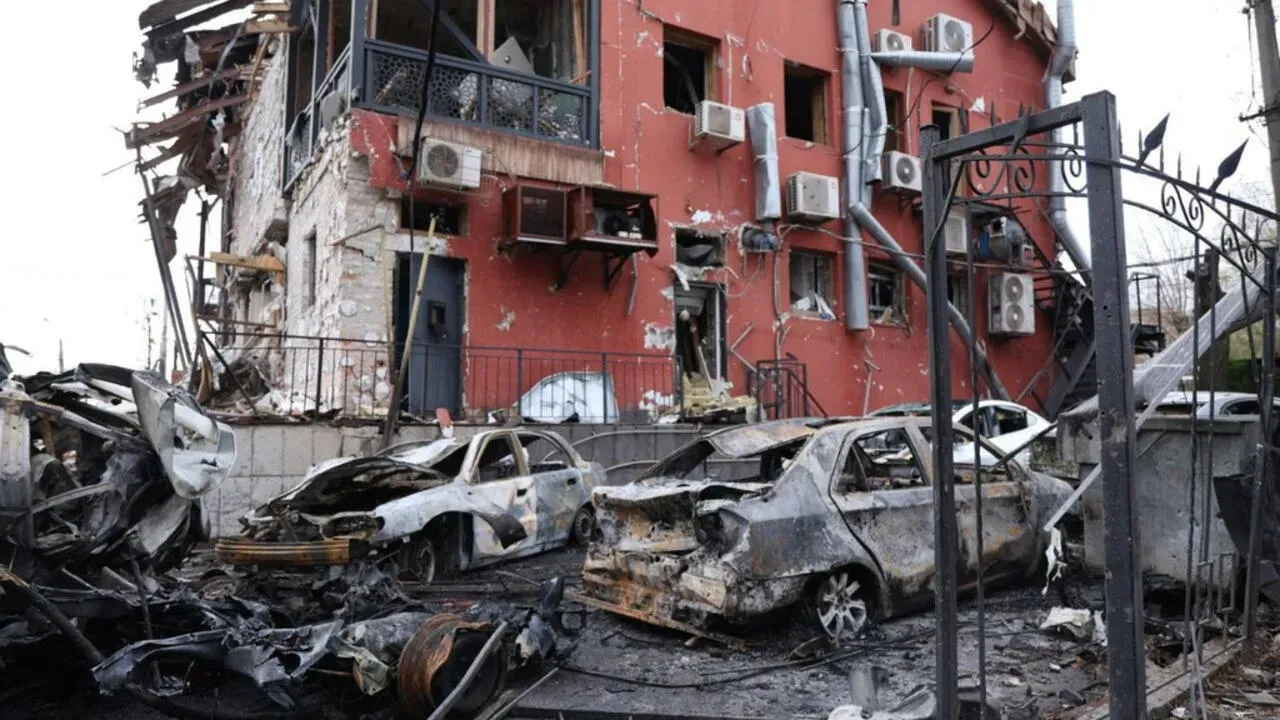
A Russian ballistic missile attack struck President Volodymyr Zelensky's hometown in central Ukraine on Saturday, leaving a trail of destruction and loss of life. The assault on Kryvyi Rih claimed the lives of two people and injured dozens more, according to local officials. The scale of the devastation is still being assessed as rescue efforts are underway.
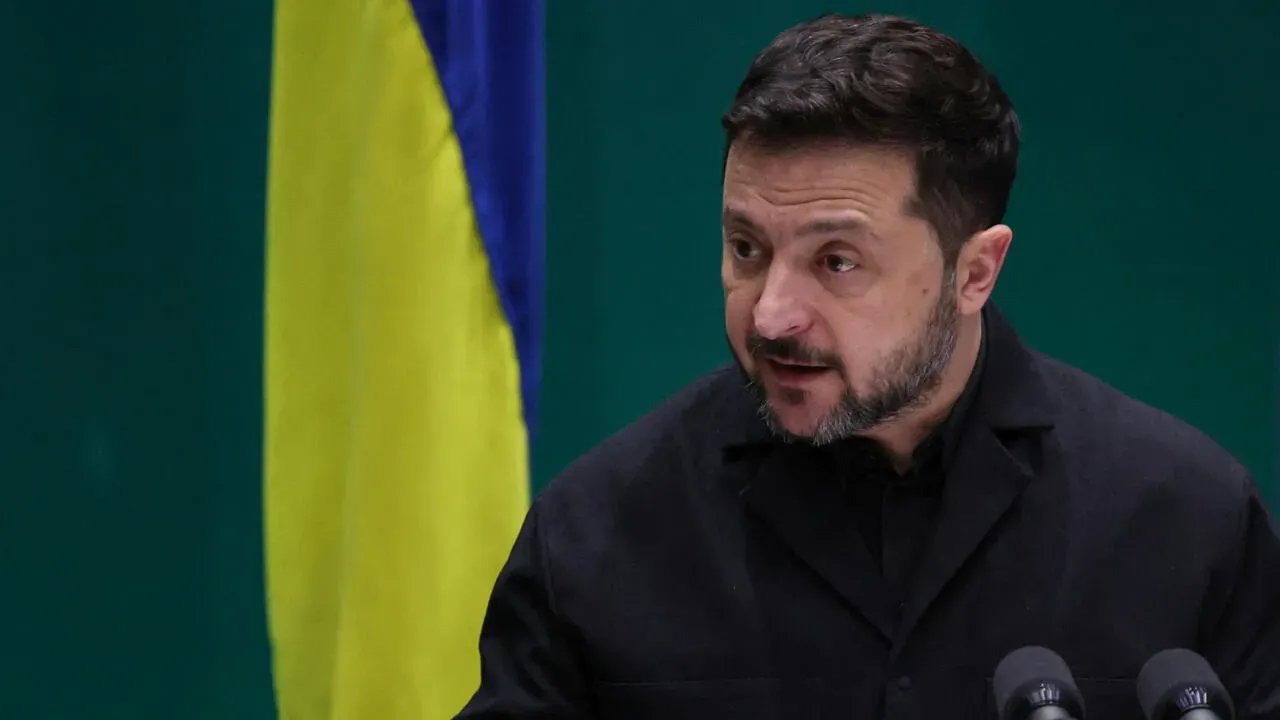
The attack has heightened tensions between Russia and Ukraine, with Ukrainian President Zelensky reaffirming his country's intention to join NATO. This move comes after proposals were made to provide Kyiv with security guarantees similar to those offered by the military alliance. The timing of the strike is seen as a deliberate attempt to undermine Ukraine's resolve.
Local officials in Kryvyi Rih confirmed that two people lost their lives and 60 others were injured, including six children. The attack on Zelensky's hometown has sparked widespread outrage, with many condemning the use of force against civilians. The incident highlights the ongoing conflict between Russia and Ukraine.
A separate incident on Saturday saw a Russian cargo ship catch fire in the Gulf of Finland after being hit by drones. Finnish and Russian officials confirmed that the ship was not far from the Russian border when it was struck. The prime minister of Finland warned that the war is spilling into new regions, causing concern for regional stability.
The attack on Kryvyi Rih has left many in shock, particularly given its proximity to Zelensky's residence. Local authorities are working to provide aid and support to those affected by the strike. The incident serves as a stark reminder of the ongoing humanitarian crisis in Ukraine and the need for diplomatic efforts to bring an end to the conflict.
The blast caused significant damage to residential areas, including apartment buildings, schools, a hospital, and an industrial facility, according to Vilkul's assessment.
Video footage obtained by the Ukrainian State Emergency Service's regional branch appears to show additional strikes occurring while emergency responders were still at the scene, with fires raging around them. The chaotic scenes highlight the scale of destruction caused by the attack.
Vilkul described the sequence of events on Telegram: First, two ballistic missiles hit their target, and then, when rescue efforts began, three more rockets struck doctors, rescuers, and utility workers. His account underscores the severity of the attack.
The assault has injected new uncertainty into diplomatic efforts aimed at resolving the conflict in Ukraine. It also coincided with a separate incident involving Russian military hardware in Poland, where two missiles and a suspected drone came down in what the country's prime minister described as a probable provocation timed to coincide with European military exercises.
NATO's top officials are sounding a unified warning following Russia's airspace violation over Poland. The alliance is standing firmly behind its Eastern European member state, with Secretary-General Mark Rutte emphasizing that all allies are in full solidarity with Poland.
The NATO chief was keen to stress the significance of this incident, saying it highlights the need for vigilance and preparedness in defending against potential threats. This sentiment was echoed by General Alexus Grynkewich, who will be assessing NATO's defenses and making adjustments if necessary to ensure the alliance remains effective.
Rutte also underscored the importance of collective defense, stating that NATO will defend every inch of Polish territory. He noted that on Friday morning, NATO jets had supported Polish F-16s scrambled in response to Russian objects approaching Polish airspace, demonstrating the successful functioning of the alliance's mechanisms.
A meeting of the North Atlantic Council is scheduled for Monday in Brussels to discuss the incident and consider further measures to bolster Poland's eastern border protection. In anticipation of this gathering, Defence Minister Wladyslaw Kosiniak-Kamysz has announced that NATO allies will provide strong support to reinforce Poland's defenses.
Ukraine's president has reaffirmed his country's desire to join NATO, citing it as a key security guarantee.
Membership in the military alliance would provide Ukraine with protection from potential threats, according to Zelensky. He stated that joining NATO was one of the most obvious ways for Ukraine to secure its borders and protect its citizens. This stance is in line with previous statements made by the Ukrainian government.
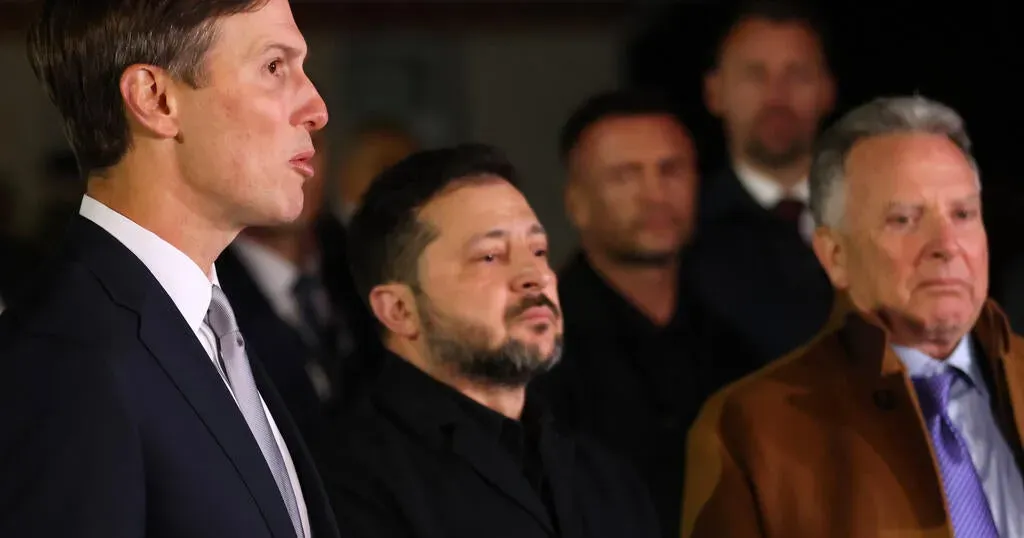
The issue of Ukraine's potential membership in NATO has been a topic of discussion in recent days. Washington had previously ruled out this possibility, but US envoy Jared Kushner hinted that the US could be open to providing Ukraine with security guarantees similar to those offered under Article 5 of the North Atlantic Treaty.
Under Article 5, an attack on one member state is considered an attack on all NATO allies. This clause serves as the cornerstone of the alliance's collective defense policy.
The Ukrainian leader has emphasized that it's not the number of missiles launched by Russia, but rather the frequency of attacks on Ukraine's territory that is most concerning.
This emphasis highlights the severity of the situation and underscores the need for a robust response from Ukraine's allies. The Ukrainian president has repeatedly stated that Putin's ultimate goal is to escalate the conflict, rather than seeking a peaceful resolution.
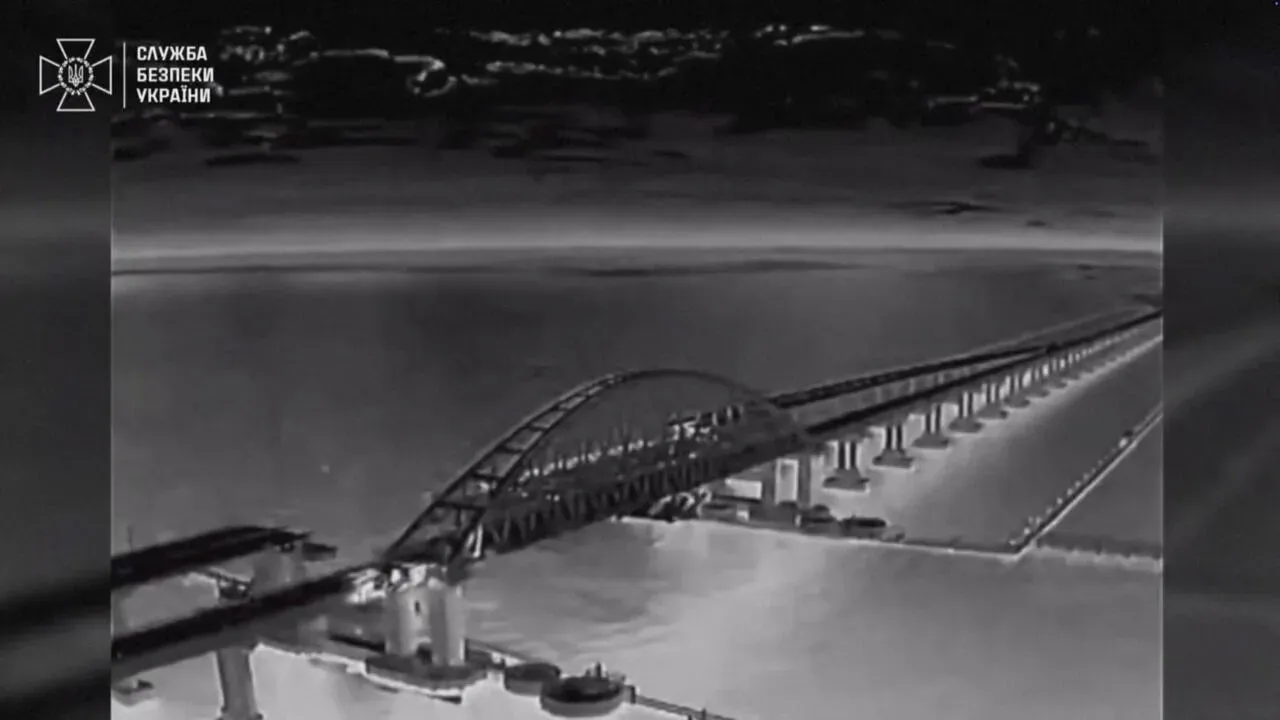
The Kerch bridge, which connects Russia's mainland with Crimea, has been a point of contention between Ukraine and Russia. The Ukrainian leader has dismissed Putin's claim that the bridge is used exclusively by civilian traffic, pointing out that the sheer volume of military equipment visible on the bridge undermines this assertion.
Streeting, an ally of Ukraine, has called for stepped-up support in response to Moscow's aggressive actions, including airspace violations over Poland and a recent drone incursion.
The recent conflict between Ukraine and Russia has taken a toll on civilians, with multiple incidents of drone attacks reported across both countries. A Russian drone attack on an apartment building in the Kharkiv region left 11 people injured, including two children, according to Ukraine's State Emergency Service.
In response to these aggressive actions, Ukrainian President Volodymyr Zelensky emphasized that Russia's leader is seen as a deadly adversary by his government. "For us, he is an enemy," Zelensky stated in an interview with CNN, adding that describing Putin in friendly terms could be counterproductive. The ongoing conflict has left many concerned about the escalation of tensions between the two nations.
Facts based on reporting originally published by France 24 English.
You may republish this story, in full or in part, if you credit News Central Site and link to it (licence CC BY 4.0). Photos are not included.