Russia and Ukraine Agree to Large-Scale Prisoner Exchange
A breakthrough has been achieved in the ongoing peace talks between Russia and Ukraine as both sides agreed to a prisoner exchange.
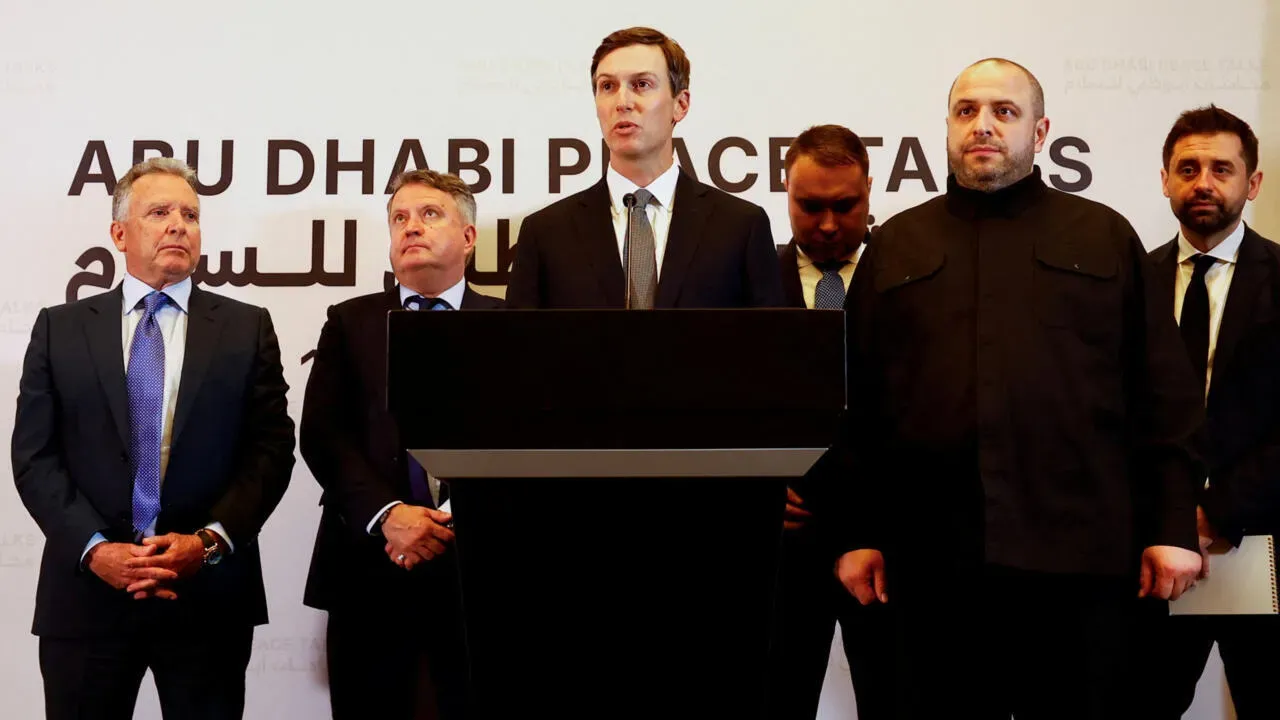
A major breakthrough has been achieved in the ongoing peace talks between Russia and Ukraine as both sides have agreed to a large-scale prisoner exchange.
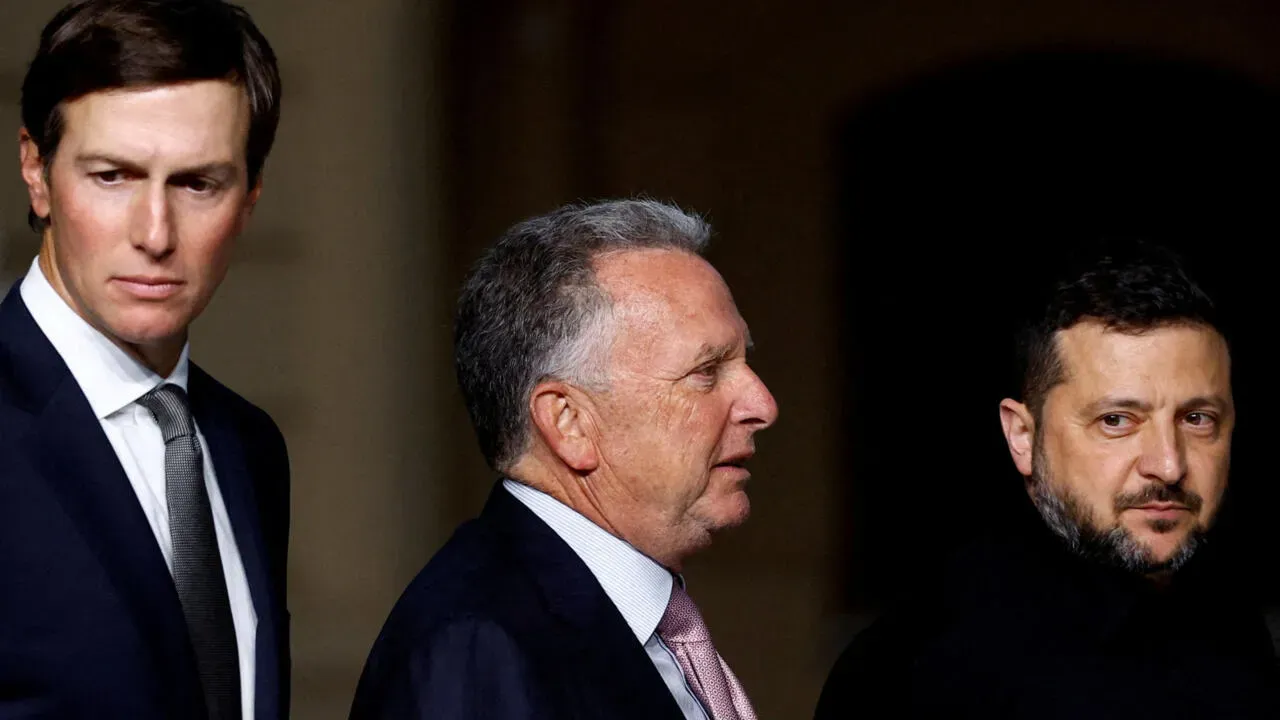
The agreement was reached on Wednesday, marking the final day of two days of intense negotiations in Abu Dhabi that aimed to bring an end to the conflict in Ukraine. US envoys Steve Witkoff and Jared Kushner will now play key roles in facilitating further talks between Russian President Vladimir Putin and Ukrainian counterpart Volodymyr Zelensky.
Witkoff and Kushner are set to meet separately with Putin and Zelensky on Thursday, a move that is seen as an effort to capitalize on any momentum gained from the Abu Dhabi talks. The US envoys will first travel to Moscow to meet with the Russian president before flying to Dublin, where they will brief Zelensky.
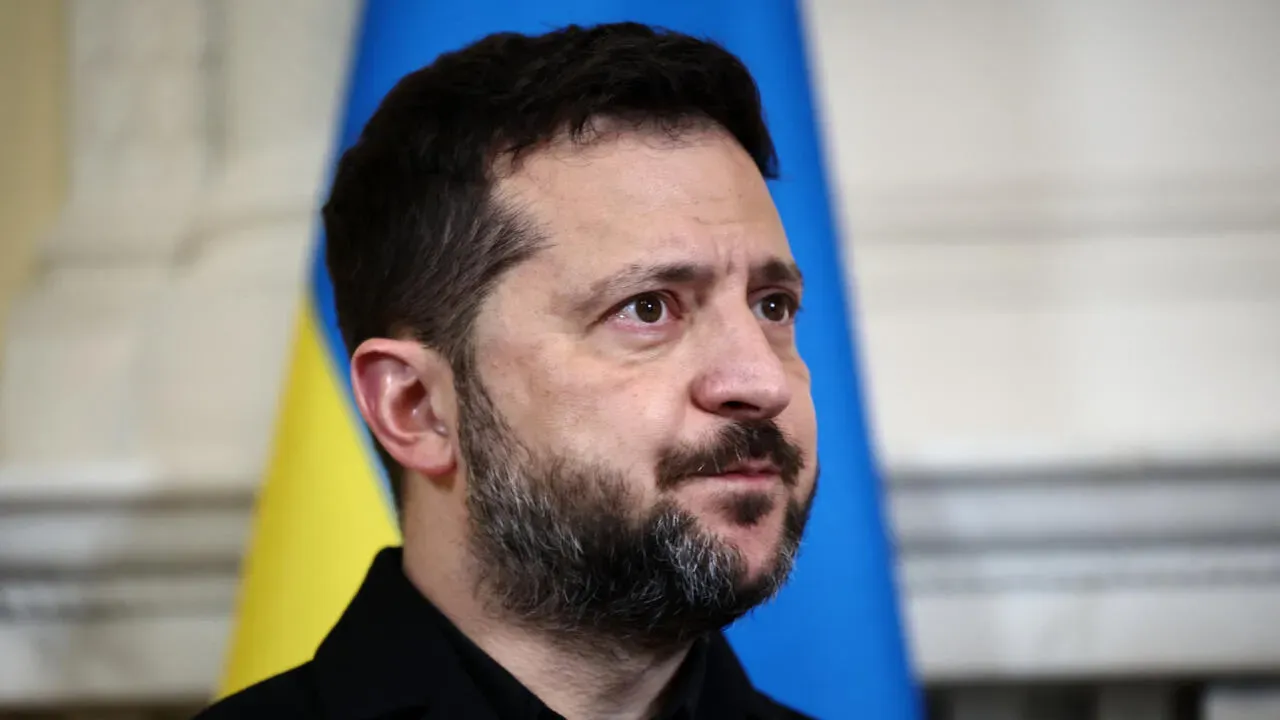
Zelensky's visit to Ireland has also provided an opportunity for him to assess the prospects of a peaceful resolution to the conflict. Speaking on arrival in Dublin, he expressed cautious optimism that a "window of opportunity could be seized to end Europe's worst conflict since World War II before 2027.
The Ukrainian leader welcomed what he described as a change in tone from the US regarding the inclusion of European nations in the Washington-mediated talks. He noted that the American side is now treating this aspect more positively, and expressed hope that this shift could lead to meaningful progress in the negotiations.
The ongoing conflict between Russia and Ukraine has taken a complex turn as European countries grapple with Moscow's proposal to review the continent's security architecture.
Russian negotiators have expressed their desire for a new, modern Yalta, a reference to the 1945 conference where Western leaders divided Europe with the Soviet Union. This ambitious goal suggests that Russia is seeking significant changes in its relationship with European countries.
The upcoming meeting of 50 European leaders in Dublin will likely focus on the outcome of the Abu Dhabi talks and their implications for regional security. EU officials have expressed skepticism about any genuine progress towards peace, insisting that Europe should not engage in broader discussions with Moscow until fighting stops.
NATO chief Mark Rutte has taken a more optimistic view, stating that the Abu Dhabi talks demonstrate unity among the US, Ukraine, and European countries. This alignment is seen as a positive development, but it remains to be seen whether it will translate into concrete progress in negotiations.
European officials have emphasized that no decisions on naming a single envoy for potential talks with Moscow are expected at the Dublin meeting, leaving the choice of representation open-ended.
The negotiations between Russia and Ukraine have delved deeper into the sensitive topic of security guarantees, with both sides providing more detailed explanations on their respective positions.
Ukrainian negotiator David Arakhamia described the talks as challenging, noting that Russia's delegation arrived in Dublin with strict instructions. However, he emphasized that despite these difficulties, there is a growing momentum towards reaching a solution by year's end.
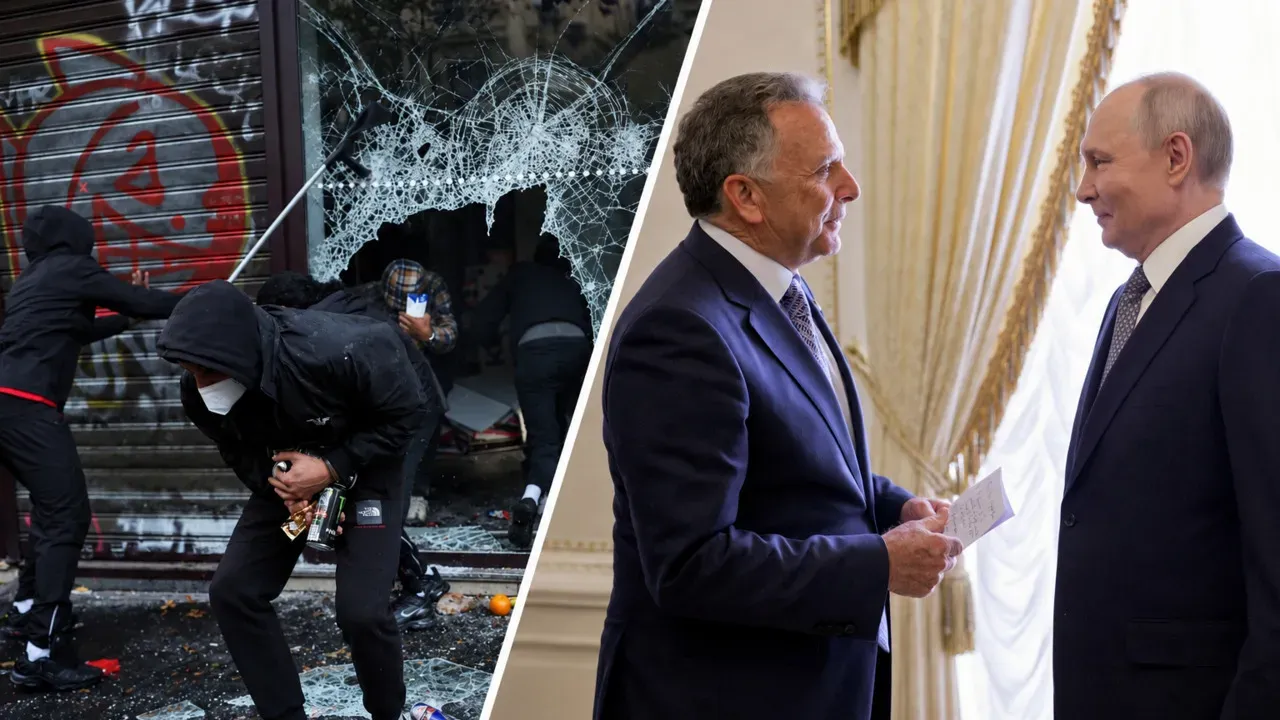
The upcoming meeting between US officials and Russian President Putin will focus on building upon the discussions held in Abu Dhabi. Kushner has stated that the meeting aims to make further progress on key issues, which they believe hold promise for potential breakthroughs.
In preparation for the next round of talks, Kyiv's main negotiator Umerov cautioned that significant work remains ahead, but expressed optimism about continuing the negotiation process.
Russia's delegation chief Vladimir Medinsky has questioned the inclusion of European countries in the peace talks, suggesting that their input is unclear and lacking concrete proposals.
Russia's foreign policy goal is reportedly focused on creating a new, modern Yalta", according to Medinsky's statement to Russian TV, implying a significant shift in the country's stance on international relations.
In related developments, Kushner has expressed his intention to discuss ways to involve European countries more directly in the peace talks with Putin. This move aims to address concerns that Europe's input is unclear and lacks concrete proposals. The involvement of top officials from major Western powers would undoubtedly add weight to the negotiations.
As part of a broader effort to foster international cooperation, senior diplomats from Britain, France, Germany, Italy, NATO, and the European Union have converged on Abu Dhabi for high-level meetings. These talks are likely to focus on finding common ground between Ukraine, Russia, and their respective allies in Europe and North America.
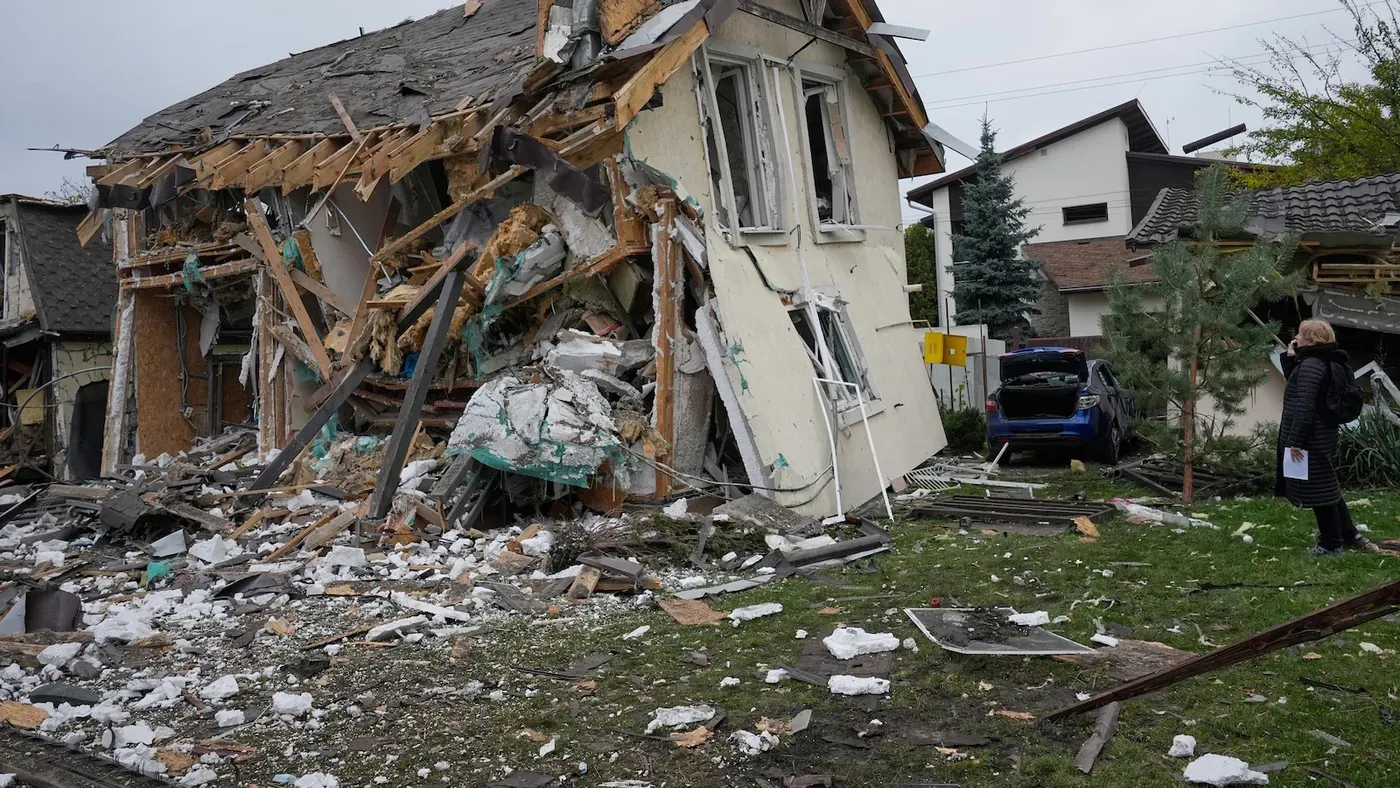
The ongoing conflict has left a devastating trail of destruction, with hundreds of thousands killed since Russia's full-scale invasion began in February 2022. Millions more have been displaced by the relentless aerial bombardments that have ravaged large areas of eastern and southern Ukraine.
Facts based on reporting originally published by France 24 English.
You may republish this story, in full or in part, if you credit News Central Site and link to it (licence CC BY 4.0). Photos are not included.