Protests Against Living Costs Sweep Across France
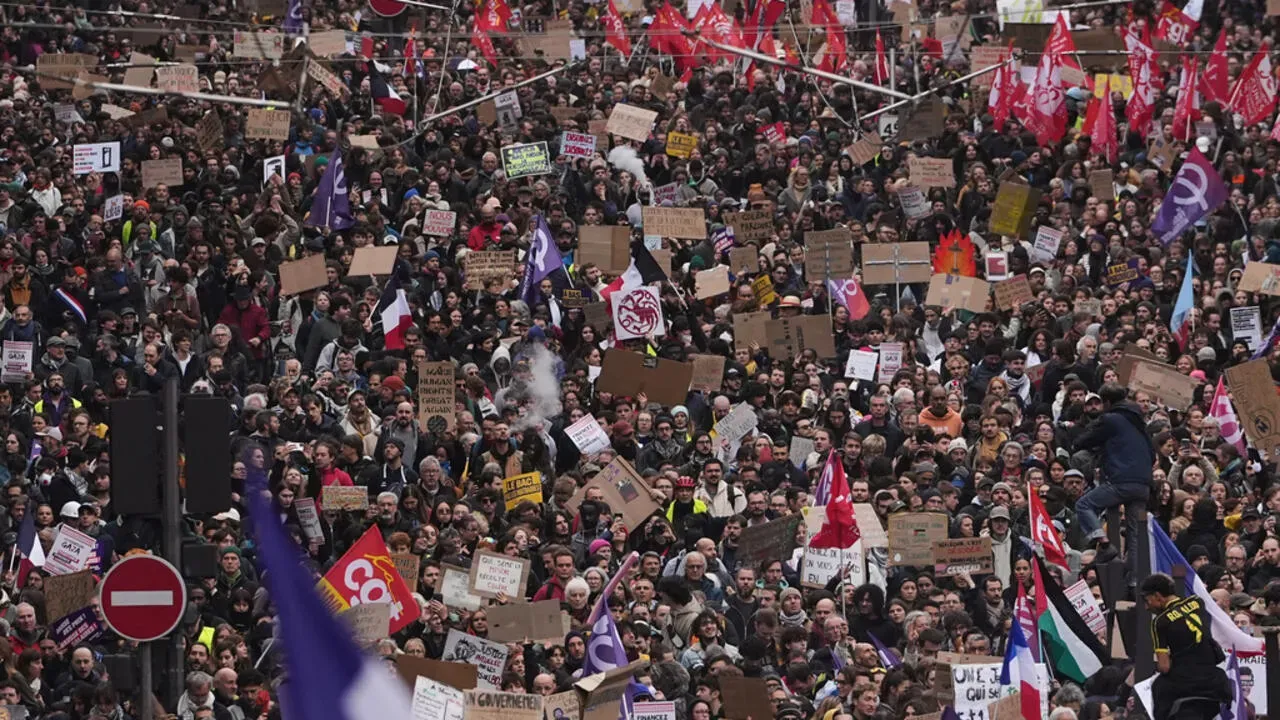
Mass protests against living costs and strained public services swept across France on Saturday with an estimated 320,000 people participating.
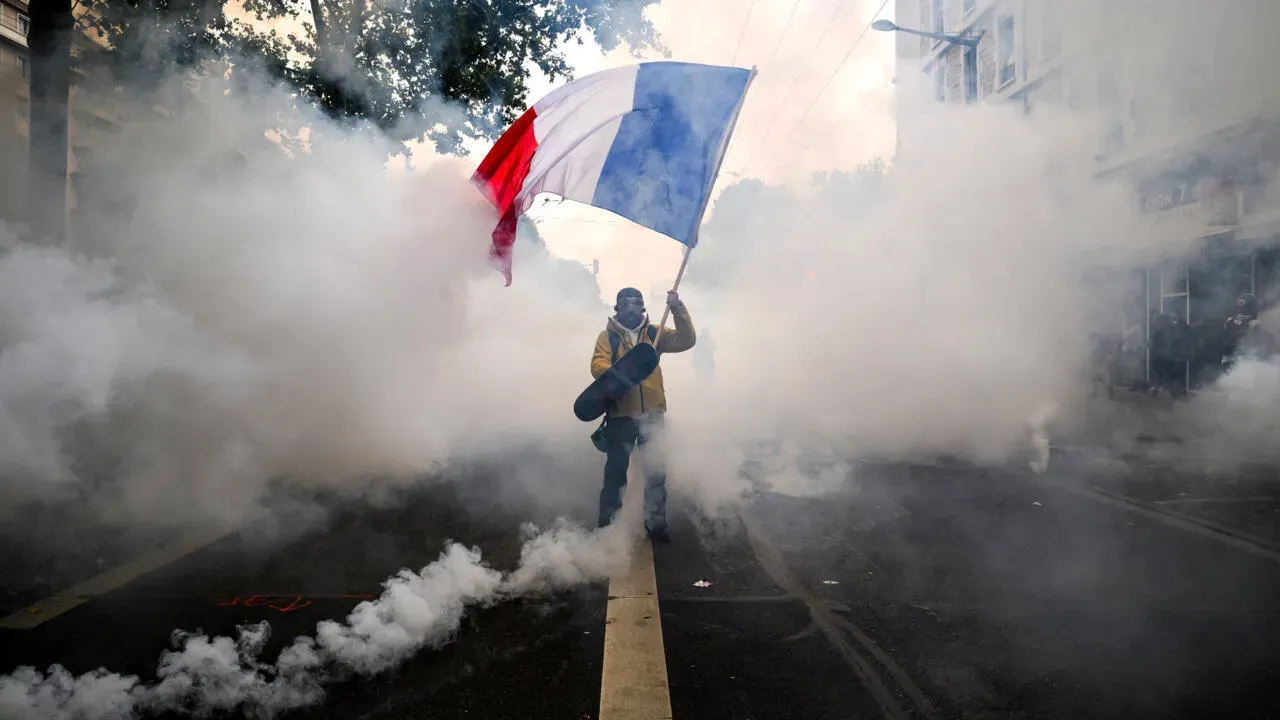
Mass protests against living costs and strained public services swept across France on Saturday, with an estimated 320,000 people participating in demonstrations nationwide, according to the interior ministry. Organizers claim nearly half a million protesters took part.
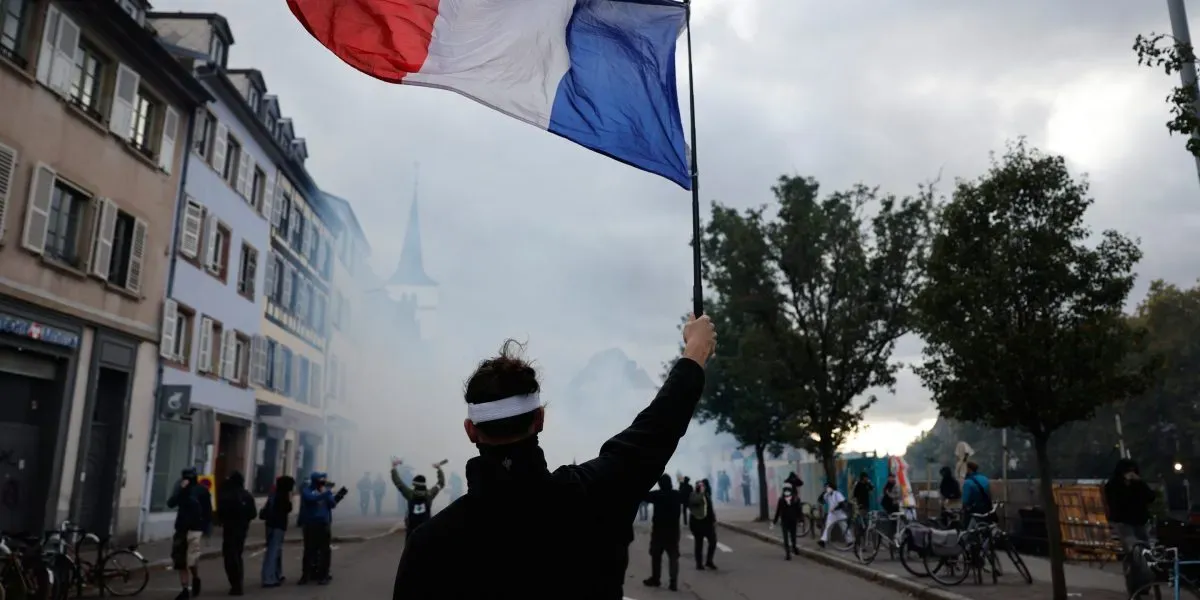
The protests were largely peaceful throughout the afternoon, but tensions flared up at the end of marches in some cities. Scuffles broke out in Paris and other French cities as protesters continued their drive against what they see as unbearable living costs and strained public services.
The demonstrations are now into their third weekend after a wave of riots and looting on October 17 left a trail of damage to shops, public buildings, and businesses across the country. The authorities were caught off guard by the scale of the violence that erupted back then.
Riot police charged small groups of rioters at the end of the Paris march, while tear gas was fired in Lyon and Toulouse. There were also tensions at unauthorised protests in Marseille before calm eventually returned as night fell.
The interior minister has praised security forces for maintaining public order despite facing a great deal of violence. Minister Laurent Nuñez is now warning that authorities are bracing themselves for scattered unrest later in the evening, amid calls for insurrection on Halloween night.
As the protests continue to unfold across France, authorities are preparing for potential clashes later in the evening. Minister Laurent Nuñez has issued a warning that authorities will respond firmly if anyone attempts to stir up trouble tonight.
The demonstrations have inspired similar movements across Europe, with youth-led protests taking place in several German cities on Saturday and also in Italy. The marches in France brought together students who had been mobilizing since September with trade unions and smaller groups of anti-establishment Yellow Vest protesters.
All these disparate groups are united by their frustration over the cost of living, high fuel prices, rising inflation, and President Emmanuel Macron's government. Their concerns were echoed by Jerome Rodriguez, a protester in Paris, who said that families are struggling to make ends meet while politicians juggle billions of euros.
Far-left leader Jean-Luc Mélenchon was among those marching through the streets of Paris, his ratings having risen in recent weeks ahead of next April's presidential election. The route taken by protesters had been altered at the last minute due to a court decision that upheld a ban on a march between two key Paris squares.
The number of protesters nationwide has decreased from previous weeks, according to the interior ministry, with an estimated 320,000 people taking part in demonstrations across France on Saturday. This is lower than the 410,000 recorded the week before and 550,000 on October 17. Organizer estimates put the turnout at nearly half a million.
The interior ministry reported that attempts were made by "radical elements" to break away from marches in several cities, including Bordeaux, Toulouse, Lyon, and Marseille, with the intention of causing damage and looting. However, these individuals were thwarted by security forces who maintained control over the situation.
Security checks at railway stations and roads revealed people carrying objects that could be used as weapons, which further highlights the potential for violence. Authorities have expressed concern that Halloween masks may be utilized to conceal the identities of rioters, making it more challenging to identify those responsible.
The government is facing increased pressure due to its financial situation, with ratings agency Fitch revising its outlook on French debt to negative on Friday. This decision underscores investor concerns over France's finances, as public debt approaches 120 percent of economic output and borrowing costs rise.
Protesters have been advised to exercise caution by the US Embassy due to ongoing demonstrations across France.
The protests gained momentum in late September as discussions began on the 2027 budget for Macron's minority government. This development has led to a surge in participation from students, who are unhappy with the state of schools and overcrowded classrooms, as well as trade unions and the revived Yellow Vests movement, which is demanding action on living costs.
Despite promises by the French government to reform education and reduce fuel costs, discontent among protesters remains. Many young people feel that their future is at stake due to a lack of resources.
Aaron Berthier de Grandry, a 15-year-old high school student from Nogent-sur-Marne, expressed his concerns about France's future. He believes that if the country's youth lacks essential resources, it will ultimately collapse.
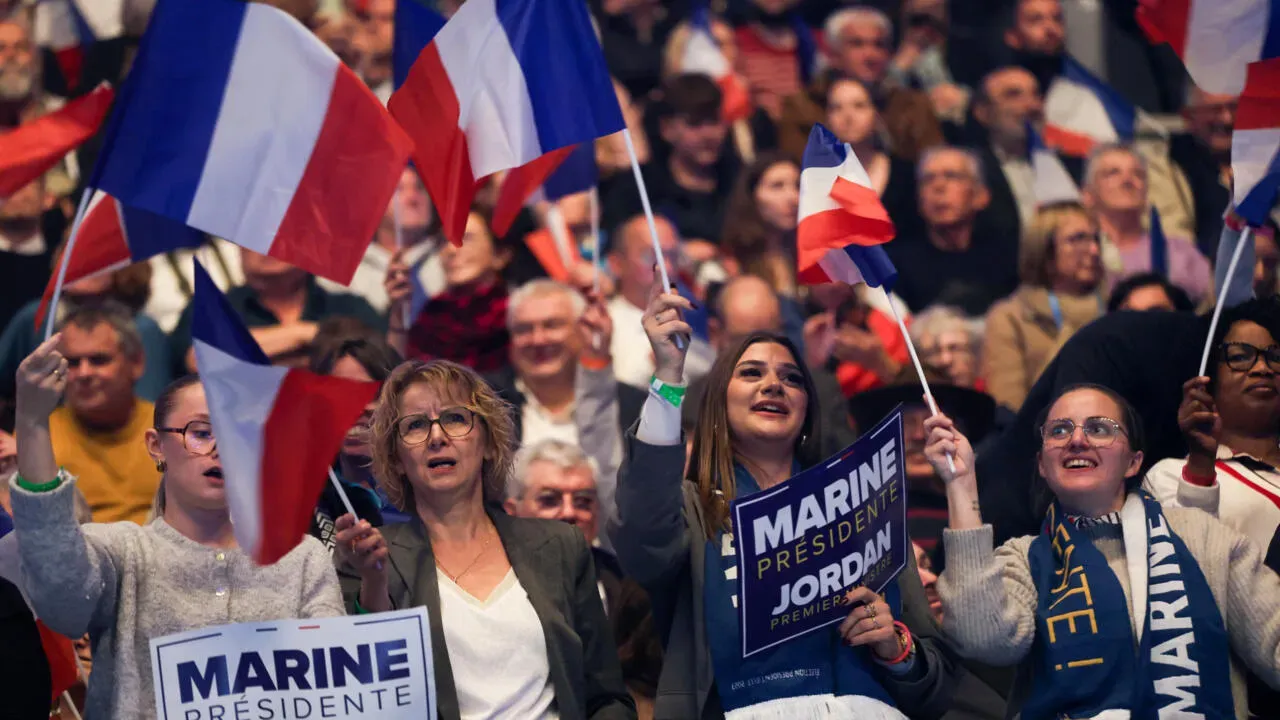
The ongoing unrest has handed Marine Le Pen, leader of the far-right party, a significant political advantage ahead of the April presidential election. Her potential centrist opponents are currently divided and struggling to gain ground.
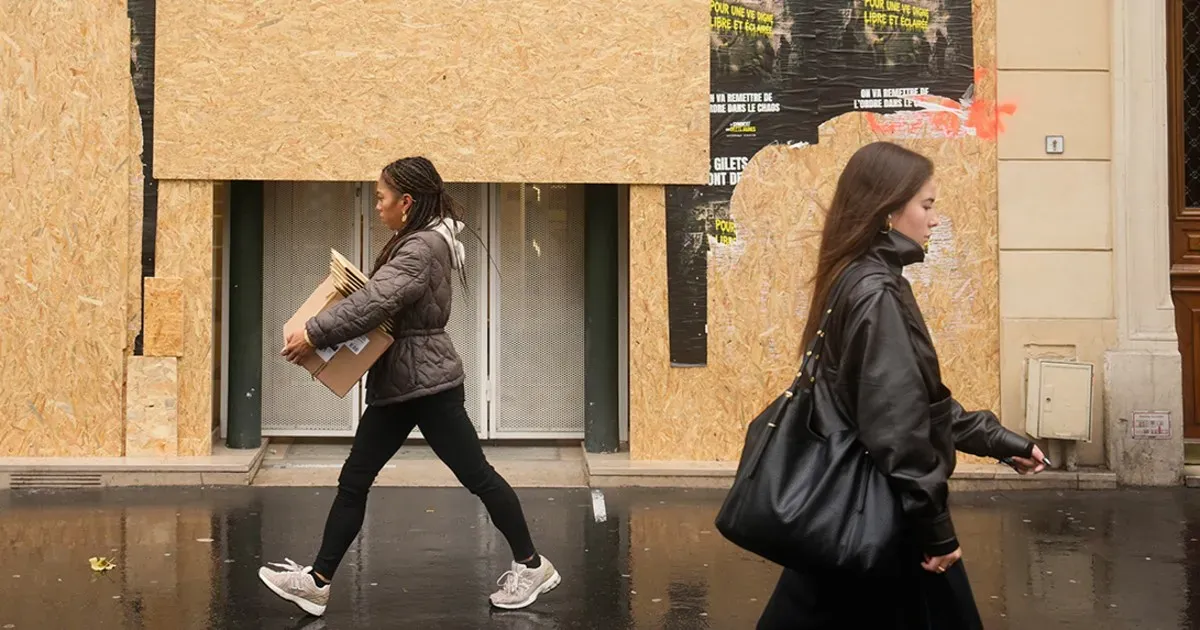
Paris' main shopping streets displayed a surreal scene, with early Christmas lights illuminating boarded-up windows and security grilles. This visual contrast highlighted the city's fragile state of calm after weeks of protests.
The upscale boutiques targeted in previous unrest belonged to luxury brands like Hermes, Louis Vuitton, and Burberry, underscoring the widespread nature of the demonstrations.
Facts based on reporting originally published by France 24 English.
You may republish this story, in full or in part, if you credit News Central Site and link to it (licence CC BY 4.0). Photos are not included.