Bulgarian Presidential Runoff Election Underway Amid Regional Security Concerns and Economic Hardship
Bulgarians are voting in a presidential runoff election that has been overshadowed by regional security threats and economic concerns at home.
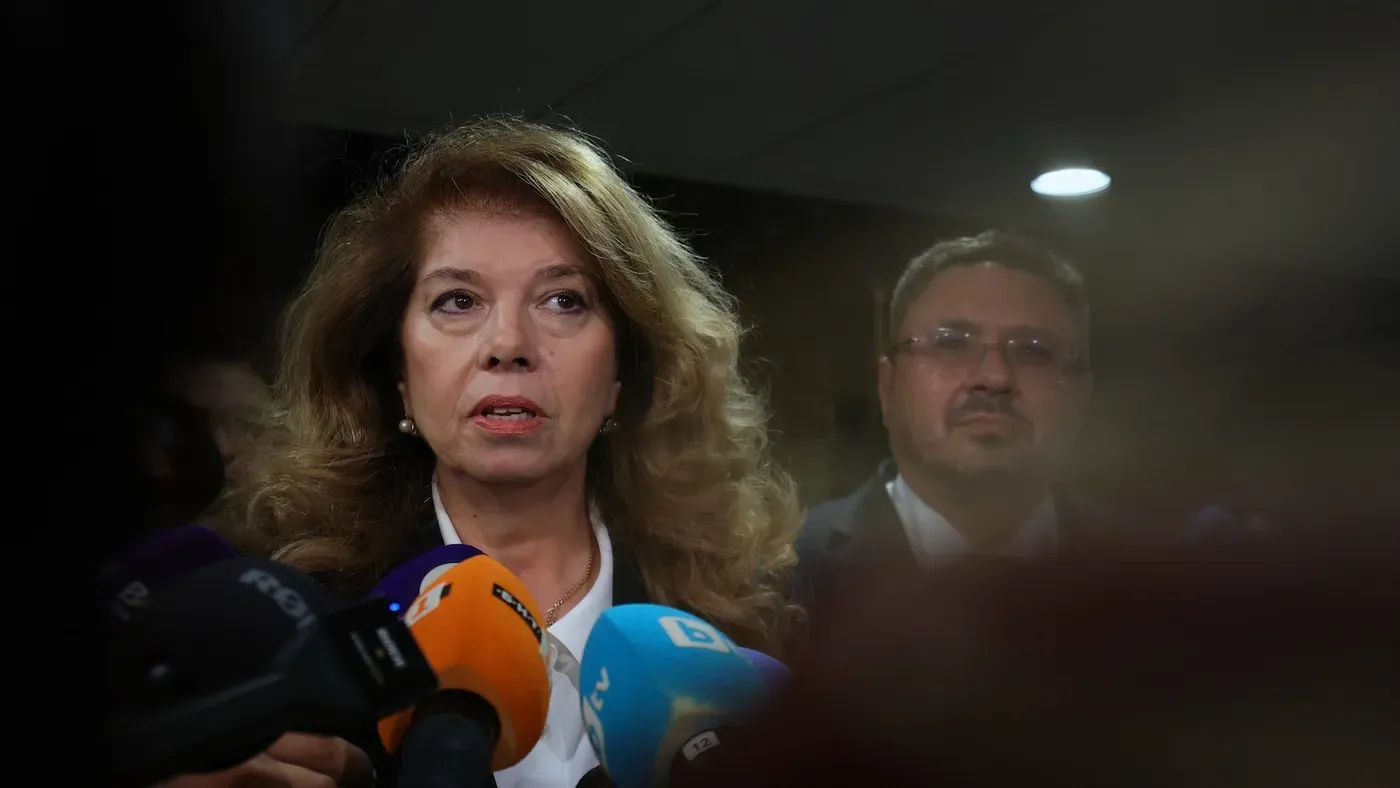
Bulgarians took to the polls on Sunday in a presidential runoff election that has been overshadowed by regional security threats and economic concerns at home.
The acting President of Bulgaria, Iliana Yotova, is seeking to become the country's first elected female president if she emerges victorious. Her opponent is Andrey Gyurov, a former interim Prime Minister who ran against her in the first round of voting on October 25. That election saw a record low turnout, with only 23% of eligible voters casting their ballots.
Polls opened at 7am for what promises to be another highly polarized contest between Yotova and Gyurov. The two candidates have distinct political visions that they will seek to promote to voters as the day wears on. Exit poll results are expected after polls close at 8pm, with official results due to be announced on Monday.
Bulgarians are voting against a backdrop of growing economic hardship and increased security threats in the region. Recent drone attacks on Black Sea shipping have left several sailors dead or missing, adding to concerns about regional stability.
Bulgaria's presidential runoff has taken place amidst regional security concerns. Independent candidate Yotova is running for the top position, having become acting president earlier this year after Rumen Radev resigned to lead his party in the general election.
The outcome of the vote will serve as a major test for Prime Minister Radev and his Moscow-friendly Progressive Bulgaria party, which has endorsed Yotova. Her expected policies would see Bulgaria continue on its European path while also seeking closer ties with Russia and the easing of sanctions.
Yotova and her opponent have called for a diplomatic solution to end the conflict in Ukraine but remain vague about possible Russian involvement in drone attacks in the Black Sea region. During a recent TV debate, Yotova proposed negotiations involving both Ukraine and Russia as a way to achieve peace.
A victory for Yotava would likely keep the presidency within the ruling majority's control, potentially concentrating power and undermining checks and balances on policy decisions by institutions, observers warn.
The presidential runoff in Bulgaria has seen a stark contrast between the two candidates' stances on regional security threats. Gyurov, the challenger to incumbent Yotova, has expressed unwavering support for Ukraine and signed a security cooperation agreement with Kyiv during his brief tenure as caretaker prime minister.
As a former deputy governor of the central bank, Gyurov has demonstrated his commitment to Bulgaria's economic stability, which is crucial in times of regional turmoil. He believes that Bulgaria should be a reliable NATO ally, capable of asserting its interests through strong diplomacy and a firm position.
Gyurov has criticized Yotova's government for its reluctance to acknowledge Russia as the aggressor in the conflict with Ukraine, calling for a clear identification of threats and Bulgarian participation in EU decision-making from the outset.
Facts based on reporting originally published by ABC News International.
You may republish this story, in full or in part, if you credit News Central Site and link to it (licence CC BY 4.0). Photos are not included.