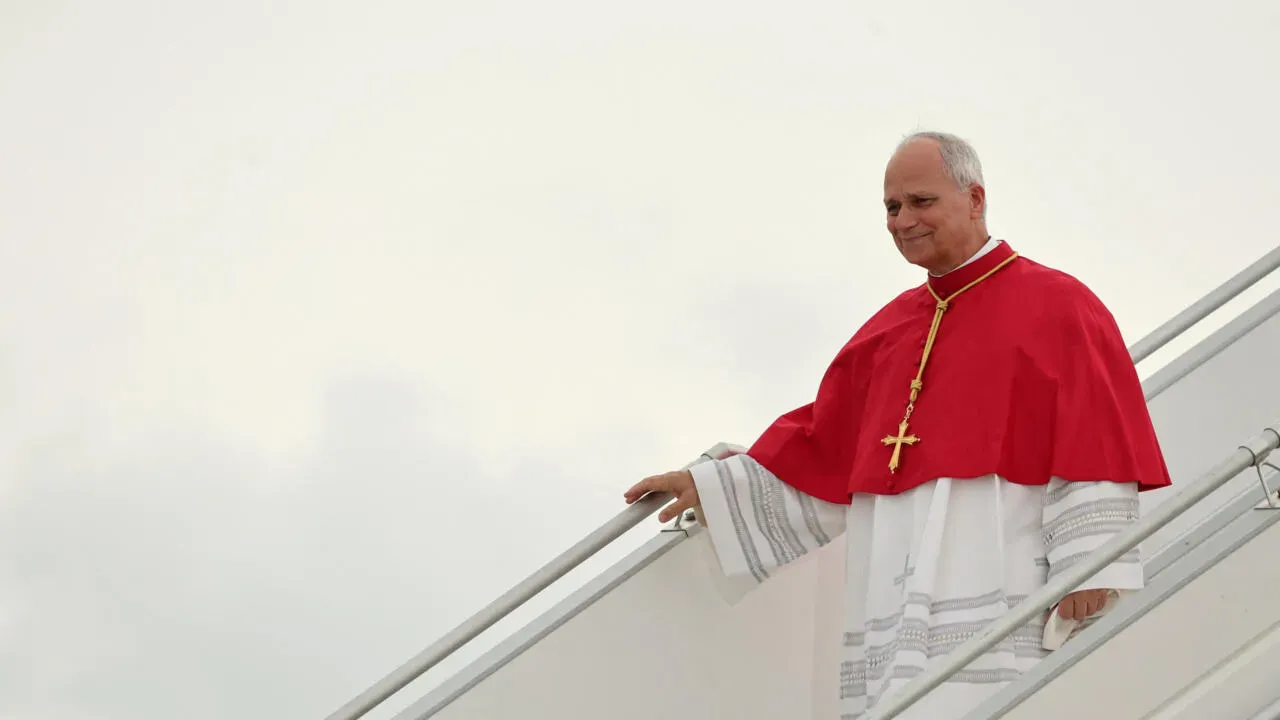
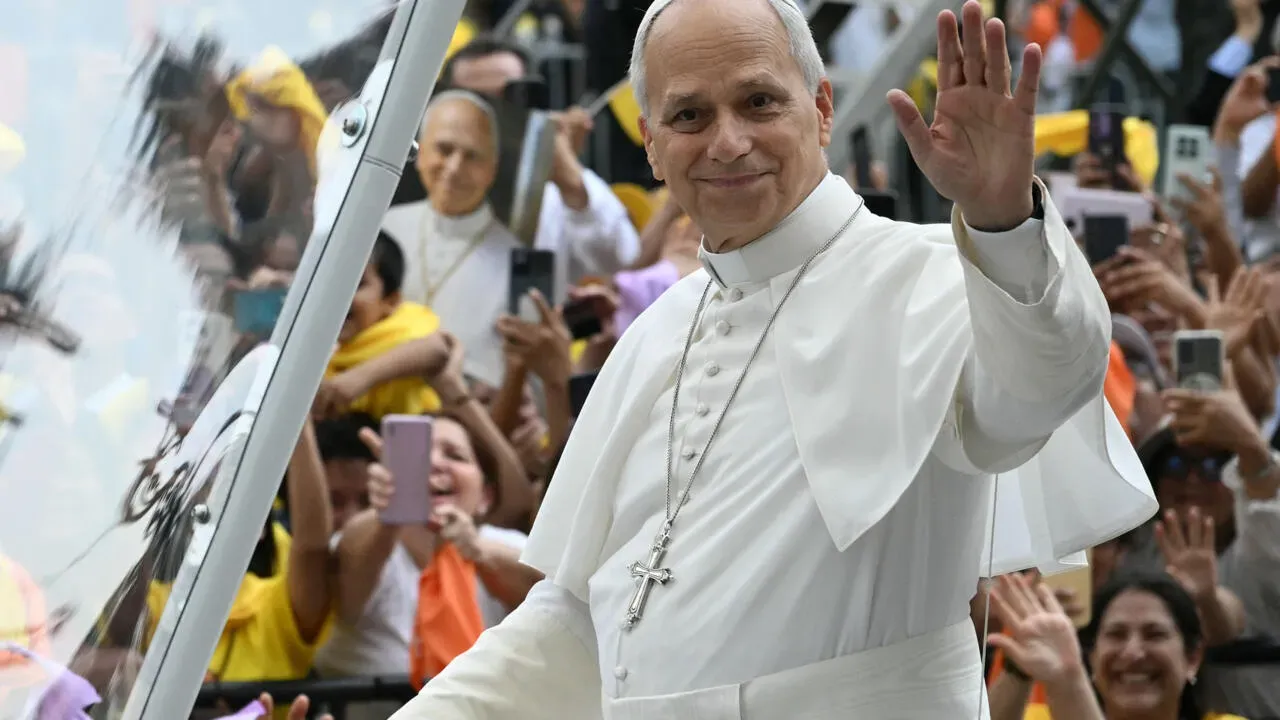
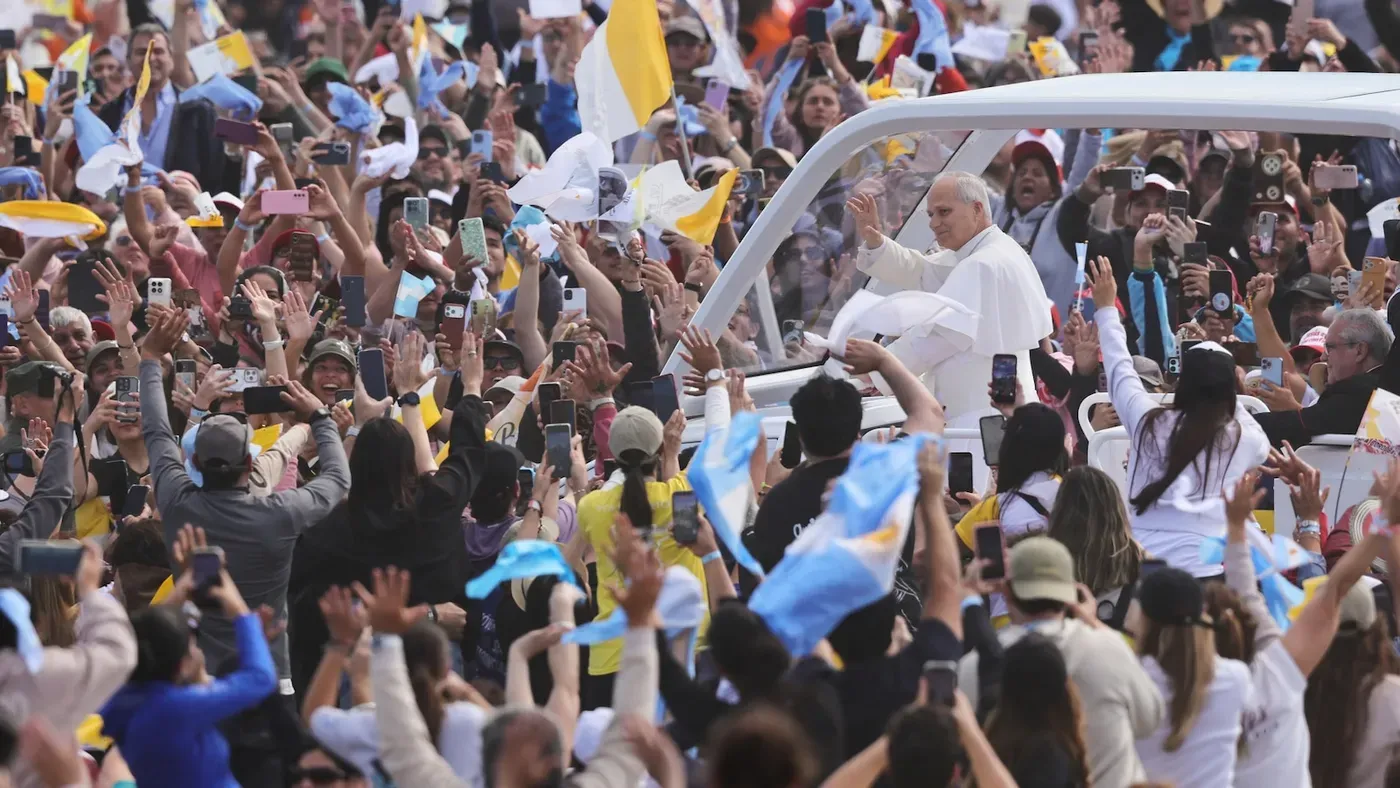
Pope Leo XIV's Visit to Peru Enters Penultimate Day
The Pope's itinerary for Sunday includes visits to communities in the Andes and the rainforest, where he is expected to emphasize Catholic teaching that links care for the most vulnerable with care for God's creation.
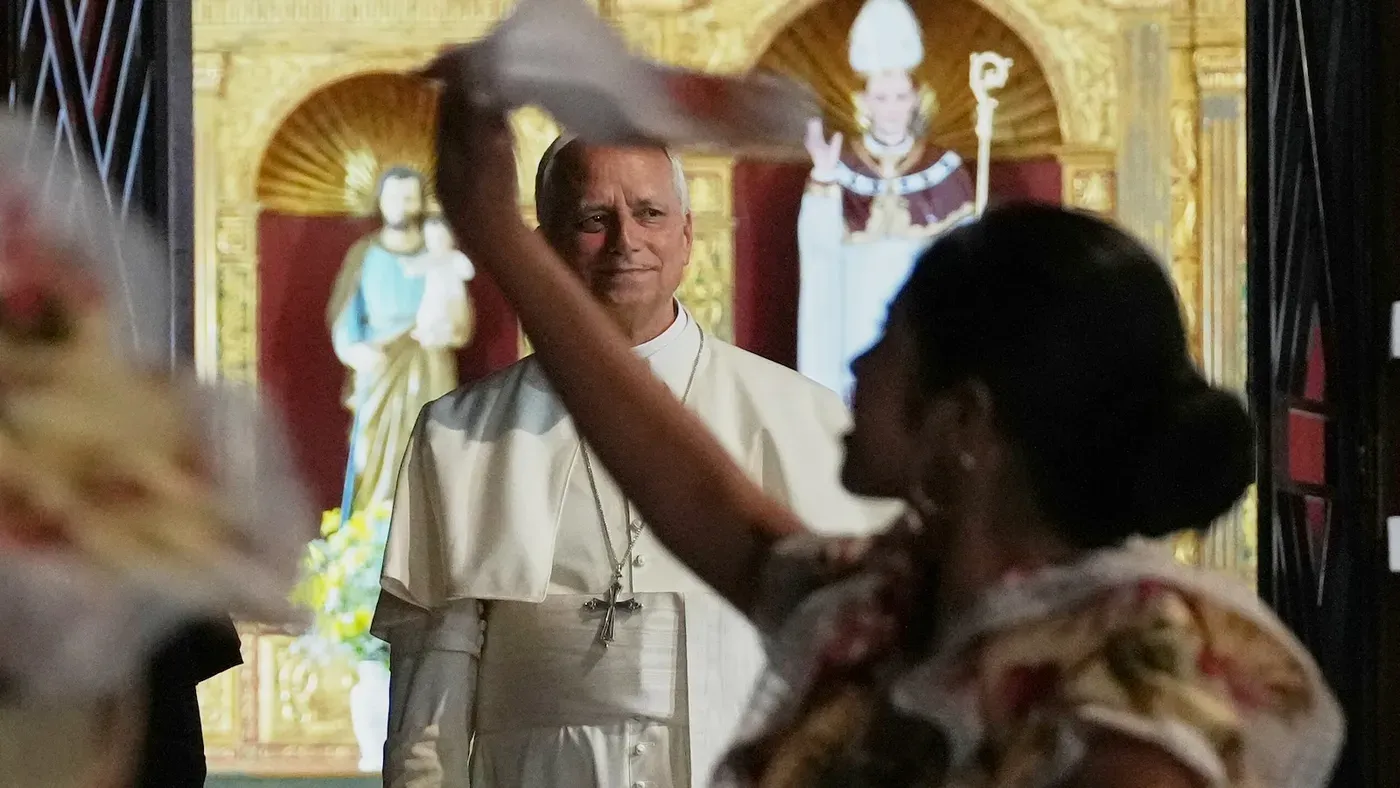
Pope Leo XIV's visit to Peru has reached its penultimate day, marked by a focus on the plight of Indigenous peoples and the protection of the Amazon rainforest.
The Pope's itinerary for Sunday includes visits to communities in the Andes and the rainforest, where he is expected to emphasize Catholic teaching that links care for the most vulnerable with care for God's creation. This theme has been at the forefront of his trip, which has taken him across various regions of Peru. The visit aims to highlight the importance of preserving the Amazon and its Indigenous communities.
Pope Leo XIV will first travel to Cusco, a city steeped in history as the former capital of the Inca empire. From there, he will fly to Pucallpa, an Amazonian city grappling with issues such as illegal mining, deforestation, and threats to Indigenous communities. The challenges faced by these communities are a major concern for the Pope and the Catholic Church.
Peruvian Cardinal Pedro Barreto, president of the Amazon bishops conference, has highlighted the continuity of the Pope's commitment to accompanying Indigenous peoples in defending life and caring for their territory. According to Cardinal Barreto, this commitment is increasingly necessary due to the growing threats from deforestation and illegal mining.
The Pope's itinerary in Cusco is packed with activities that will showcase his commitment to environmental protection and human rights. At the historic Sacsayhuamán fortress, he will deliver a speech about local religious devotion, highlighting the significance of this site for the people of Peru.
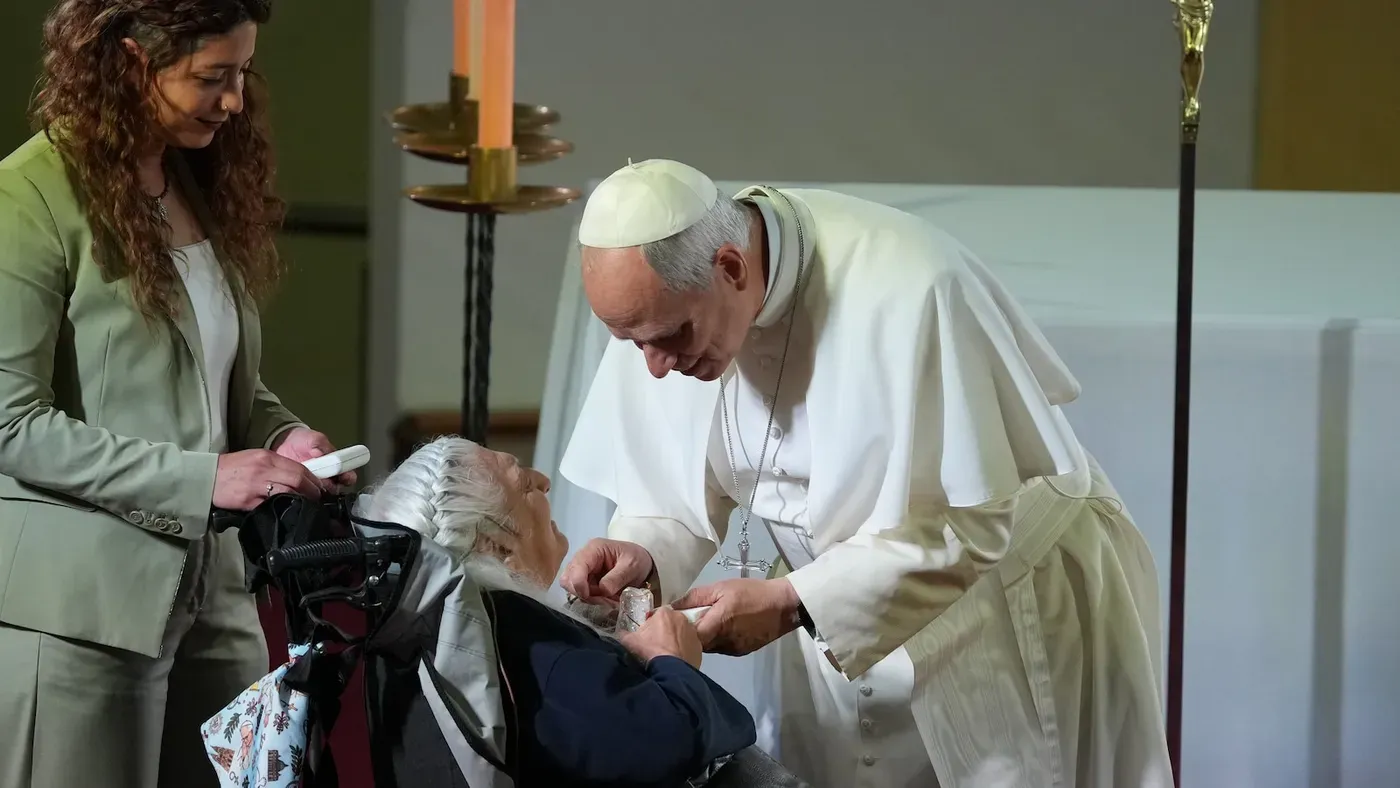
His visit to the Plaza de Armas is also noteworthy, as he will present a shroud from the Holy See for the image of the Lord of the Earthquakes. This gesture is particularly significant given the country's history of seismic activity and its impact on local communities. The Pope's message to the sick before leaving Cusco is also expected to be an emotional highlight of his visit.
In Pucallpa, a rainforest city with a population of over 434,000 people, the Pope will focus on reinforcing Francis' teachings about protecting the environment and Indigenous communities threatened by illegal mining. The Rev. Luca Zanta, one of the organizers of the visit, has emphasized that the Pope's primary objective is to listen to the Amazonian Indigenous peoples.
The Shipibo, Asháninka, and Kukama communities will gather beside Lake Yarinacocha to share their concerns with the Pope, including issues related to deforestation and exploitation. This gathering underscores the importance of the Pope's commitment to environmental protection and human rights in Peru.
The Pope's visit to Peru is set to culminate in a symbolic gesture of environmental protection and stewardship. A native Peruvian rainforest tree, known as the shihuahuaco, will be planted by Leo during his final stop in the country.
Zanta emphasized that this act serves as a powerful symbol for the Catholic Church's values and mission. According to Zanta, "that is a symbol of how we want our common house to be," highlighting the church's desire to protect its flock and preserve its beauty for generations to come.
The Rev. Peter Hughes, an 84-year-old Irish priest who has spent over six decades in Peru, sees the Pope's visit as a testament to the church's commitment to the poor. He notes that Indigenous peoples, who are often marginalized and voiceless, are the most vulnerable collective in Latin America, underscoring the need for justice and peace.
The Amazon region is facing an environmental crisis due to the proliferation of illegal gold mining. Miners use toxic mercury and makeshift suction dredges to extract gold, devastating forests and polluting rivers in their wake.
The high demand for gold has led to a surge in its price, making it increasingly profitable to extract from Amazonian rivers, which are rich in the precious metal.
This has major environmental and health implications, as large-scale mining operations inevitably lead to pollution, health issues, and degradation of the surrounding ecosystem, according to experts who have witnessed the devastating effects firsthand.
In a recent crackdown on illegal mining in Madre de Dios, one of Peru's most biodiverse regions, police reported three successful operations that targeted extraction equipment, including rafts and motors worth $4.1 million, which were subsequently destroyed.
The scourge of illegal mining not only threatens to destroy the Amazon rainforest but also encroaches on Indigenous territories, putting ancestral lands at risk and exposing communities to violence and organized crime, as well as other forms of exploitation.
The Amazon rainforest continues to face threats from illegal mining activities, which also encroach on Indigenous territories, putting ancestral lands at risk and exposing communities to violence and organized crime.
Concerns are being raised about the Mashco Piro people, who have been spotted near logging concessions in images released by Survival International. Clashes between loggers and Indigenous people in 2024 resulted in the deaths of at least two loggers. The presence of these groups in isolated areas makes them vulnerable to exploitation.
The situation is also critical for Kakataibo communities that live in isolation or are still in initial contact with outsiders, as their reserves are being invaded by drug cartels due to the lack of government acknowledgment and protection.
Facts based on reporting originally published by ABC News International.
You may republish this story, in full or in part, if you credit News Central Site and link to it (licence CC BY 4.0). Photos are not included.