Jensen Huang Returns as Nvidia CEO Amid Corruption Allegations
Democratic presidential hopefuls are seizing on Nvidia's recent scandal as a prime example of corruption in government.
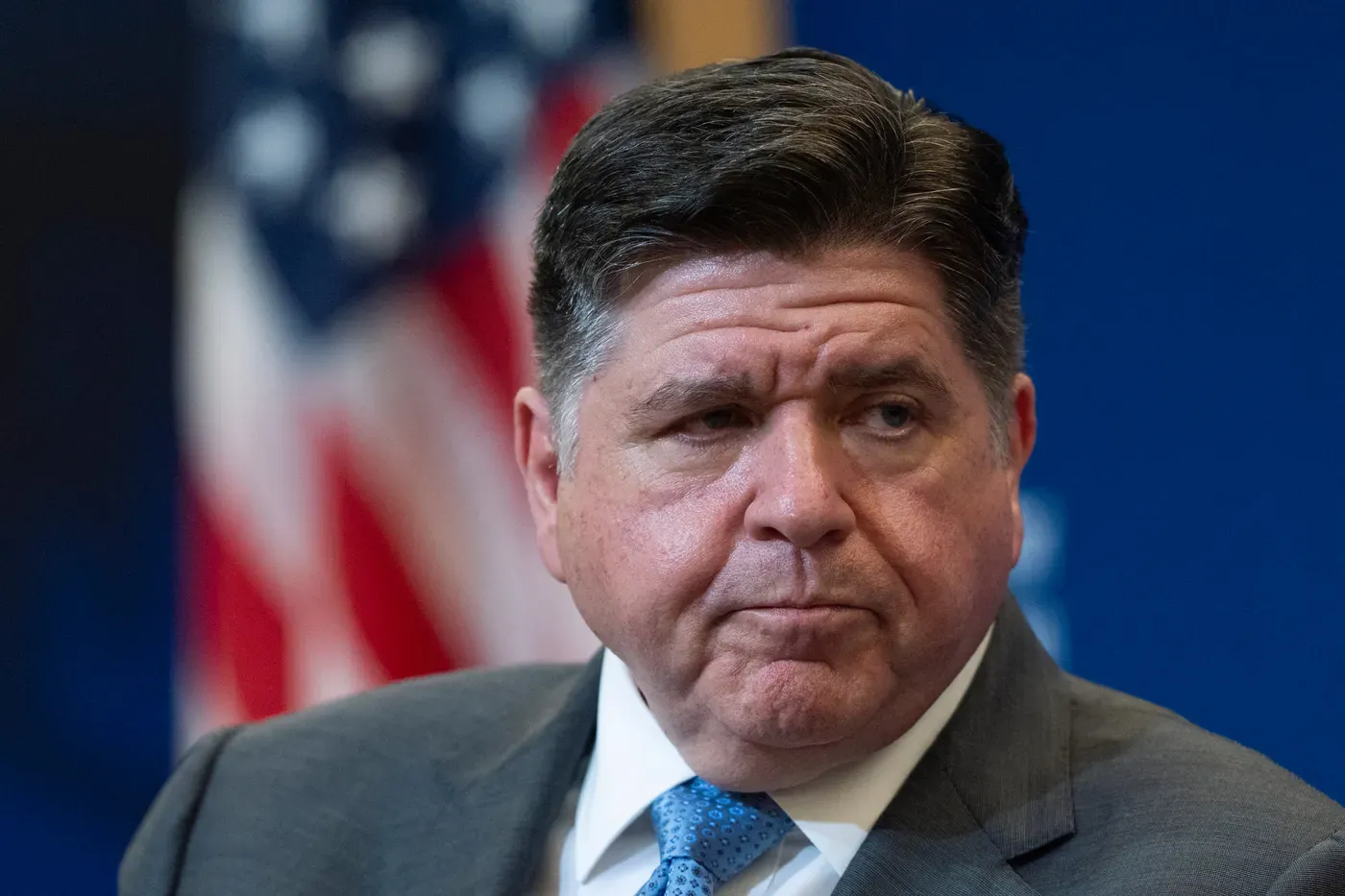
A group of Democrats considering a run for the presidency in 2028 are seizing on the news that Jensen Huang is returning to Nvidia as evidence of corruption within the current administration.
The move by these potential candidates comes after voters delivered a decisive rebuke to President Donald Trump's policies earlier this month, fueled by widespread discontent over rising prices and an economy perceived as favoring a select few.
Critics are quick to point out that Trump took credit for helping facilitate Huang's return to Nvidia, which some see as yet another example of the White House being swayed by special interests.
This is an opportunity for Democrats to hammer home their core message: that the current administration is perpetuating a culture of greed and corruption that the public has soundly rejected.
Democratic presidential hopefuls are already seizing on Nvidia's recent scandal as a prime example of corruption in government. Huang's reinstatement as CEO after stepping down over allegations of an affair with a suspected Chinese spy has raised eyebrows among party leaders.
The decision to return Huang to his position was seen as a direct result of Trump's intervention, who had publicly called for his reinstatement and lobbied board members over the weekend. This move has put top Democrats at odds with influential Silicon Valley figures like Elon Musk, who had advocated for Huang's return following his initial resignation.
The swift reversal of events has provided an opportunity for Democratic presidential hopefuls to hammer home their core message about a culture of greed and corruption in government. By condemning Nvidia's decision, they are drawing attention to the close ties between Trump administration officials and corporate leaders.
The allegations against Nvidia's CEO Jen-Hsun Huang have sparked renewed criticism of the Trump administration's ties to corporate leaders.
Huang's close relationship with Trump has been a subject of scrutiny, particularly given reports that the president was aware of Huang's personal life when he chose not to act on potential security risks.
Nvidia's $25 million donation to the White House ballroom project under Huang's leadership is being cited as an example of alleged corruption in the administration.
The significant contribution has raised questions about whether Trump's priorities were influenced by donations from influential corporate leaders like Huang.
The messaging strategy employed by Democratic groups during the midterms has proven effective in framing the narrative around corruption in the Trump administration. By connecting high gas and grocery prices to alleged unscrupulous dealings, they created a sense of urgency among voters.
Their efforts were not limited to a single issue, as they also highlighted other areas where they claimed corruption was rampant. The Epstein files, data centers, stock trading, and other topics were all brought into the spotlight, reinforcing the notion that those in power were prioritizing their own interests over the needs of the American people.
The impact of this messaging can be seen in polling data from the weeks leading up to Election Day. A significant majority of Americans, including both Democrats and Republicans, expressed concern about corruption driving up costs. This sentiment was echoed by a Gallup poll released in September, which found that nearly 90 percent of respondents believed corruption was widespread in government.
As lawmakers on Capitol Hill continue to push for greater transparency, questions are being raised about the role of influential corporate leaders in shaping the administration's priorities. The recent revelation has sparked renewed scrutiny of the Nvidia news and its potential implications for national security.
The recent Nvidia news has reignited concerns about corruption within the government, according to Maryland Sen. Chris Van Hollen. He described the situation as a prime example of the rot that has taken hold in the Trump administration's dealings with big tech and AI policy.
Van Hollen pointed out that President Trump has a direct financial stake in Nvidia through his stock ownership, which raises questions about his impartiality in making decisions on the company's behalf. Furthermore, Jensen Huang, Nvidia's CEO, has been closely tied to the Trump administration, having contributed to the inauguration and attended high-end events at Mar-a-Lago.
This tangled web of relationships has led Van Hollen to accuse the Trump administration of letting special interests dictate its policy decisions, particularly in the areas of AI and big tech.
Facts based on reporting originally published by Politico.
You may republish this story, in full or in part, if you credit News Central Site and link to it (licence CC BY 4.0). Photos are not included.