John F. Kennedy Jr.'s Enduring Influence on Men's Fashion
The style of John F. Kennedy Jr. has become iconic in men's fashion and continues to inspire today.
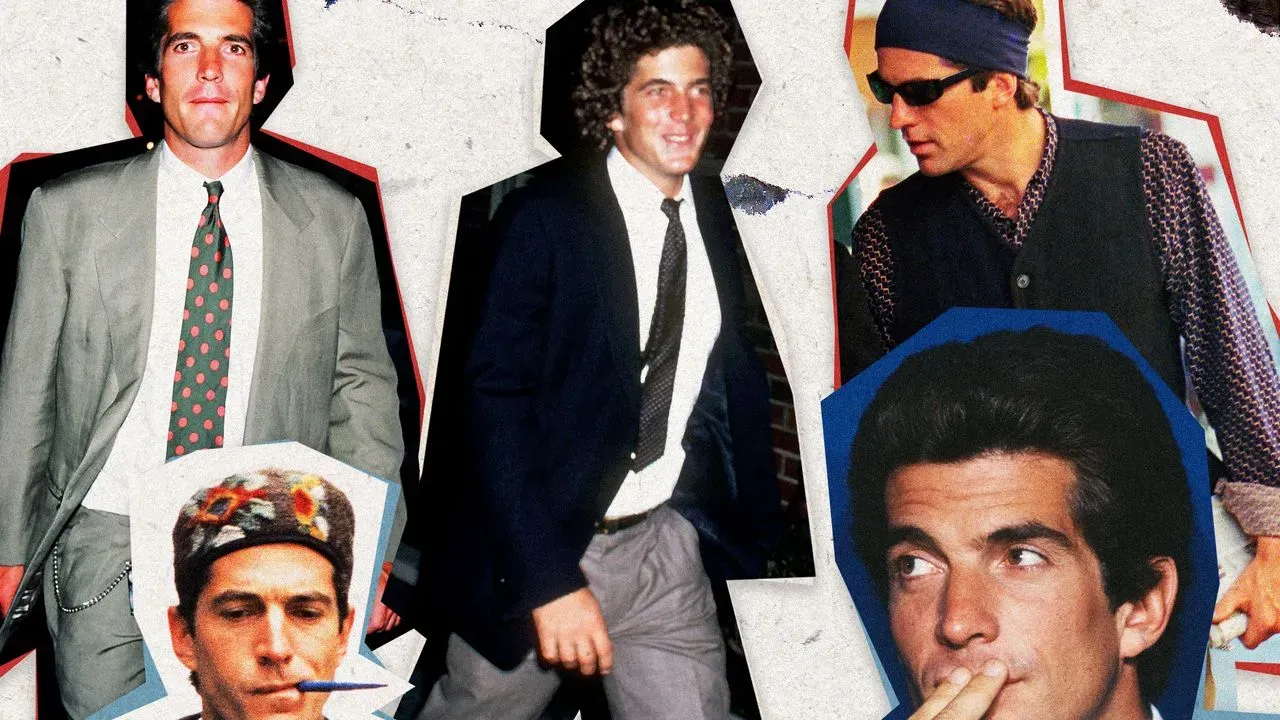
John F. Kennedy Jr.'s style was not a one-off phenomenon of the 1990s. He wasn't the first person to wear a suit while riding a bike, nor did he invent the backward Kangol cap or pinstriped suit.
However, Kennedy Jr. managed to pull off these fashion risks with an ease that others could only dream of. His style has become iconic and continues to inspire men's fashion today, nearly three decades after his untimely death.
As part of researching a book about Kennedy Jr.'s life, I spent the last year immersed in his world, pouring over photos, reading biographies, and speaking with people who knew him. This immersion has given me a deeper understanding of what made his style so enduringly popular.
The sheer number of people who crossed paths with Kennedy Jr. during his prime is staggering - virtually everyone who lived in Manhattan in the 1990s encountered him at some point or another.
JFK Jr.'s style was built on four fundamental elements: impeccable tailoring, classic preppy basics, functional workwear, and versatile sportswear.
These pillars formed the foundation of his wardrobe, which he expertly blended to create some of his most iconic looks, such as pairing a suit with a backward baseball cap or wearing a polo neck sweater under a tweed blazer with hiking boots.
One aspect of his style that's notable by its absence is jeans. While many people in the 1990s wore them frequently, JFK Jr. rarely donned denim, and some speculate it was due to his mother's preference for more refined attire.
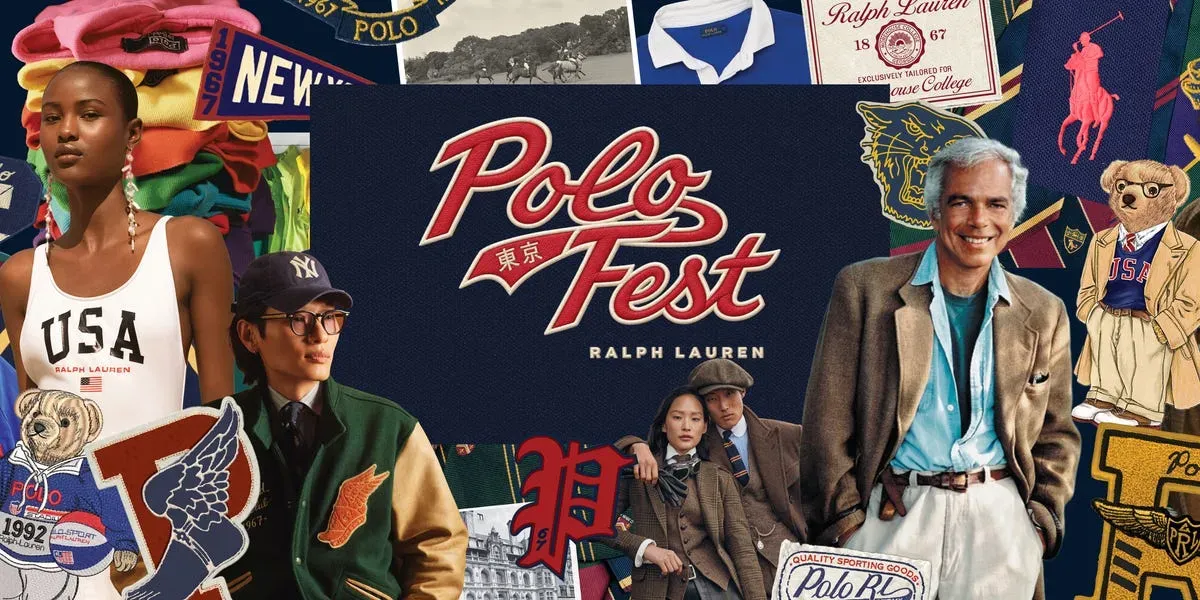
However, this doesn't mean you can't draw inspiration from his style without resorting to copying his exact looks. By understanding the balance of contrast that made his combinations work, you can create your own unique take on 1990s fashion icons like Ralph Lauren and Jerry Seinfeld, who popularized the preppy aesthetic during that era.
JFK Jr.'s love for discordant accessories added a unique touch to his outfits, often clashing with his preppy aesthetic. His collection of flat caps, wallet chain, and Oakley Eye Jacket shades showcased his willingness to experiment with different styles.
While some of these accessories were practical, such as the wallet chain which helped him keep track of his belongings, others reflected his personality and interests. For instance, his love for color was evident in his funky knit caps, while his enthusiasm for skiing was reflected in his fleece headbands.
When it comes to accessorizing, it's essential to choose items that resonate with your personal style. If you have a connection to an accessory, whether it's due to a fond memory or a shared interest, it will shine through in your outfit.
JFK Jr. often wore scarves as outerwear, pairing them with casual and formal attire alike. He would tie his scarf in either a dressy overhand knot or a classic Parisian knot, adding a touch of sophistication to even the most relaxed outfits.
A scarf often served as an outer layer for him on chilly days, tossed over a sweatshirt rather than worn as a coat, sometimes paired with a knit cap to complete his look.
When choosing a scarf, it's best not to match it too closely with the rest of your outfit. This allows for a more interesting and nuanced combination of pieces.
His watch collection was another aspect of his style that caught my attention. I found evidence of a wide range of timepieces in various styles and price points, from a practical Victorinox Swiss Army field watch to a vintage Rolex Oyster Perpetual.
He didn't seem to be bound by any particular brand or budget when it came to watches, deriving equal pleasure from affordable quartz models as he did from luxury mechanical ones.
His wardrobe was an eclectic mix of high-end and low-key pieces, reflecting his background as a downtown socialite. In addition to bespoke suits and tuxedos, he had a notable collection of graphic tees from iconic NYC institutions such as the Russian & Turkish Baths in the East Village and the New York Athletic Club.
These shirts not only showcased his love for the city's diverse culture but also highlighted significant events like the 1984 NYC Fresh Festival, which played a pivotal role in hip-hop history. His affinity for these graphic tees demonstrated an appreciation for local heritage and community.
His style was more than just about the clothes he wore; it was about embracing individuality and authenticity, making him a compelling figure to learn from.
Facts based on reporting originally published by GQ.
You may republish this story, in full or in part, if you credit News Central Site and link to it (licence CC BY 4.0). Photos are not included.