New study suggests non-invasive neurofeedback can improve mood in people with depression
The study involved 32 people diagnosed with major depressive disorder and used non-invasive neurofeedback to monitor their brain activity, resulting in immediate improvements to their mood.
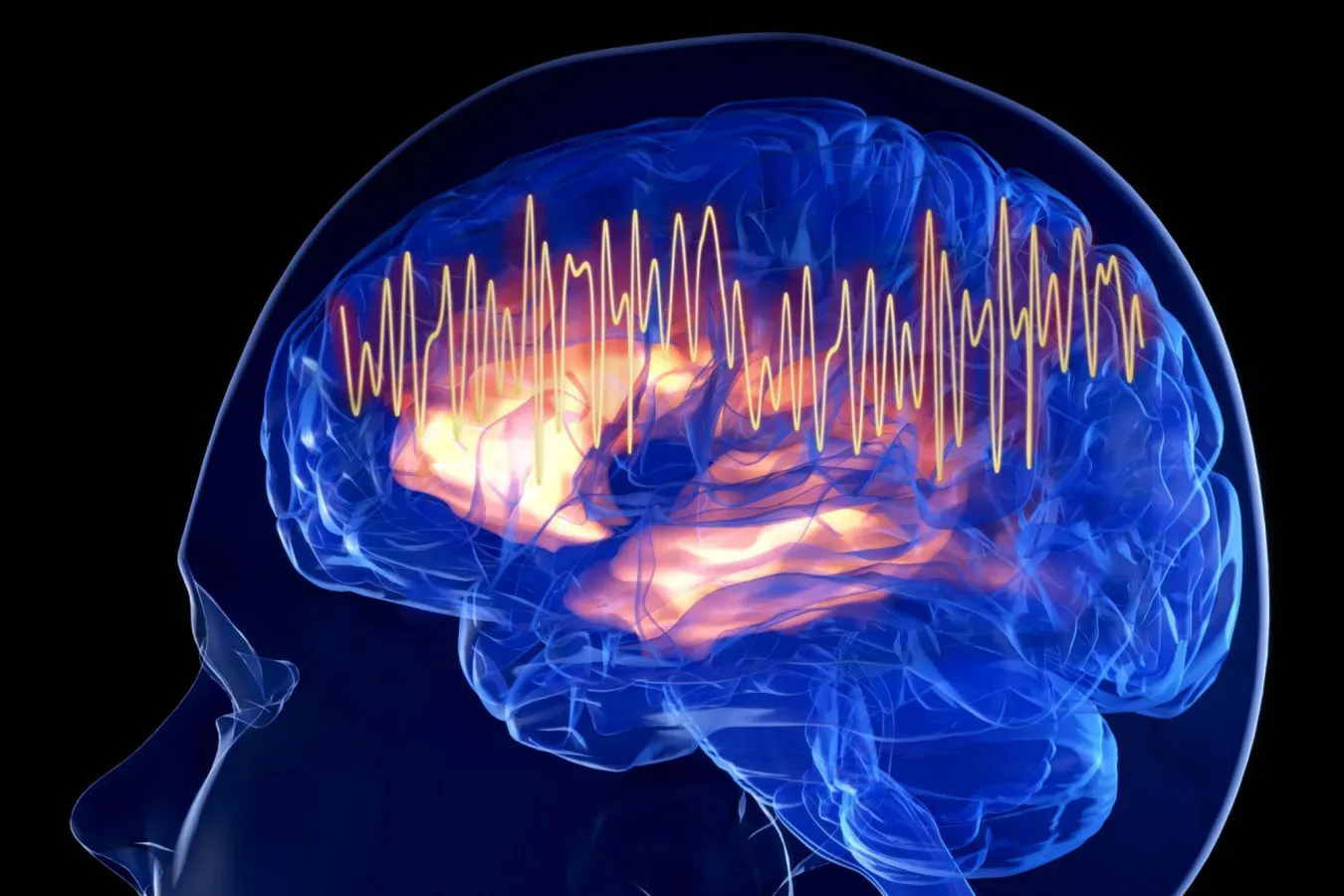
A new approach to treating depression has shown promise in a small trial, suggesting that brain activity can be actively regulated to improve mental health. The study involved 32 people who had been diagnosed with major depressive disorder and used non-invasive neurofeedback to monitor their brain activity.
The individuals were encouraged to alter activity in a region of the brain involved in motivation and reward, with the aim of improving their mood. While there was no significant change in their brain activity, they did report immediate improvements to their mood that persisted into the following day.
Researchers have been exploring various methods to monitor and intervene in our nervous systems using wearable devices such as headbands. These devices often focus on improving stress, anxiety, and sleep, but trials of their effectiveness are not always carried out independently and can lack a well-matched control group.
The latest study was conducted by Laurel Morris at the Icahn School of Medicine at Mount Sinai in New York, who recruited 30 people with no history of mental health problems to serve as a comparison group. The results suggest that non-wearable neurofeedback may have potential for short-term depression relief, but further research is needed to confirm this finding.
Researchers have been exploring alternative methods for treating depression, focusing on non-invasive techniques that don't require medication or wearable devices.
To assess the effectiveness of neurofeedback in alleviating symptoms of depression, participants were asked to engage in activities that motivated them while undergoing brain scans. These activities included receiving encouragement from loved ones and achieving personal goals, as well as more creative pursuits like singing.
The goal was to stimulate activity in the ventral tegmental area (VTA) of the brain, which is linked to reward-driven behaviors and depression. To achieve this, participants were presented with a visual representation of their VTA activity via a thermometer-like image during the 30-minute intervention.
Results showed that individuals who received genuine feedback on their brain activity scored higher on mood questionnaires compared to those in the sham group. These assessments were conducted immediately after the session and the following day, revealing a reduction in negative emotions such as sadness among participants receiving neurofeedback.
Research on using neurofeedback training as a treatment for depression has shown promising short-term results, but it's unclear whether these improvements would be noticeable to individuals struggling with the condition.
The study found that participants receiving genuine neurofeedback experienced a reduction in negative emotions such as sadness, but this effect was not sustained at a one-week follow-up. In fact, brain activity didn't significantly differ between those who received real neurofeedback and those who underwent sham treatment, suggesting that other factors may be contributing to the observed improvements.
The findings also suggest that the ability of participants to regulate their brain's ventral tegmental area (VTA) - which is involved in motivation and reward processing - may play a crucial role in achieving mood benefits. With this in mind, researchers are now planning a follow-up trial to investigate the effects of multiple neurofeedback sessions on depression.
Facts based on reporting originally published by New Scientist.
You may republish this story, in full or in part, if you credit News Central Site and link to it (licence CC BY 4.0). Photos are not included.