SpaceX CRS-35 Mission Set to Launch to International Space Station
A NASA SpaceX cargo mission is set to launch from Cape Canaveral in Florida with vital research experiments on board, including studies focused on human health, plant growth, and drug-resistant organisms.
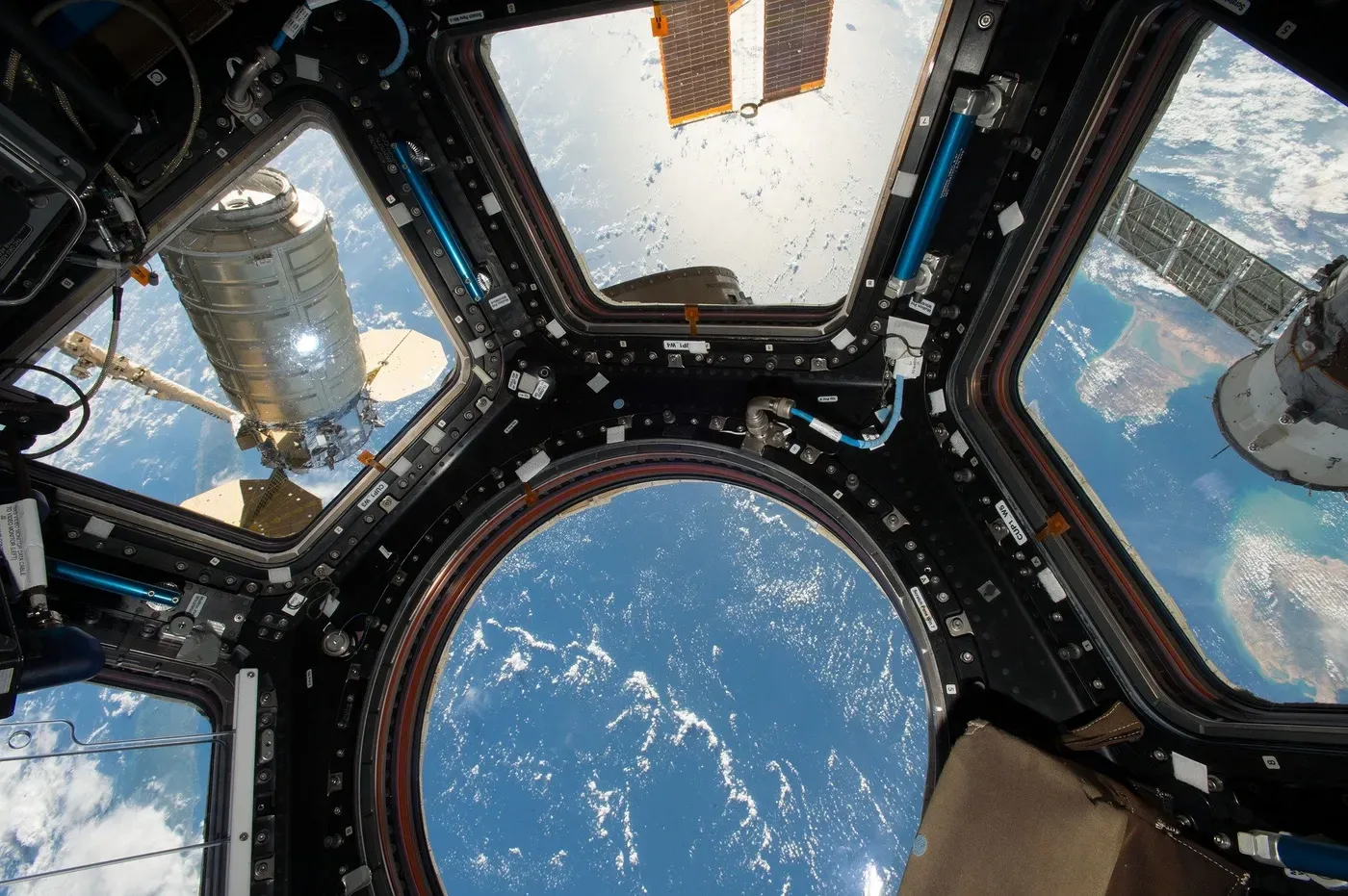
NASA's SpaceX CRS-35 mission is set to launch a payload of vital research experiments to the International Space Station from Cape Canaveral Space Force Station in Florida. The cargo includes studies focused on human and plant health, as well as the effects of drug-resistant organisms.
One of the key investigations involves 3D models of the human brain, which will be used to study how space travel affects the brain at a cellular level. To achieve this, small lab-grown models of the brain will be sent to the space station for five weeks, where they will be compared with identical samples kept on Earth.
Researchers are particularly interested in understanding what happens to the human brain during long-duration missions. The experiment aims to shed light on this question by analyzing tissue samples from both the space-bound and terrestrial models.
The research also includes studies of crop disease, a faster method for assessing astronaut health, and an analysis of antibiotic-resistant bacteria aboard the space station.
The research is also focused on understanding how microgravity affects plant growth and development, which could have significant implications for future space missions.
A key aspect of this effort is a study examining whether crop diseases spread more quickly in microgravity environments. To investigate this, scientists are comparing the molecular and structural changes that occur when plants grown on Earth are infected with a disease-causing fungus to those experienced by identical plants grown in space.
This research has far-reaching implications for agriculture on our planet as well, potentially leading to the development of new crop varieties more resistant to disease. By gaining a deeper understanding of how microgravity affects plant growth and disease progression, scientists can also inform strategies for minimizing yield losses in future space agriculture systems.
The spacecraft carrying out this mission is equipped with advanced technology designed to support these experiments, including a compact microplate reader that will enable the detection and measurement of biomarkers such as antibodies and proteins.
The research conducted on board the space station aims to improve the detection of infections and health issues among astronauts. This is particularly important for long-duration missions where medical supplies may be scarce.
A crucial aspect of this investigation involves studying how antibiotic-resistant bacteria thrive in microgravity environments. To achieve this, researchers are sampling surfaces throughout the space station repeatedly to monitor for drug-resistant organisms.
These findings have significant implications for both space exploration and Earth-based health care. On one hand, they could lead to the development of strategies to protect astronauts against bacterial infections during extended missions.
The research's outcome may also shed light on how superbugs emerge as a result of antibiotic overuse on our planet.
Facts based on reporting originally published by Phys.org.
You may republish this story, in full or in part, if you credit News Central Site and link to it (licence CC BY 4.0). Photos are not included.