Human Brain Cells Found to Contain Maternal DNA
A new study has found that maternal cells can penetrate the brain and remain there for life, playing a role in various functions within the body.
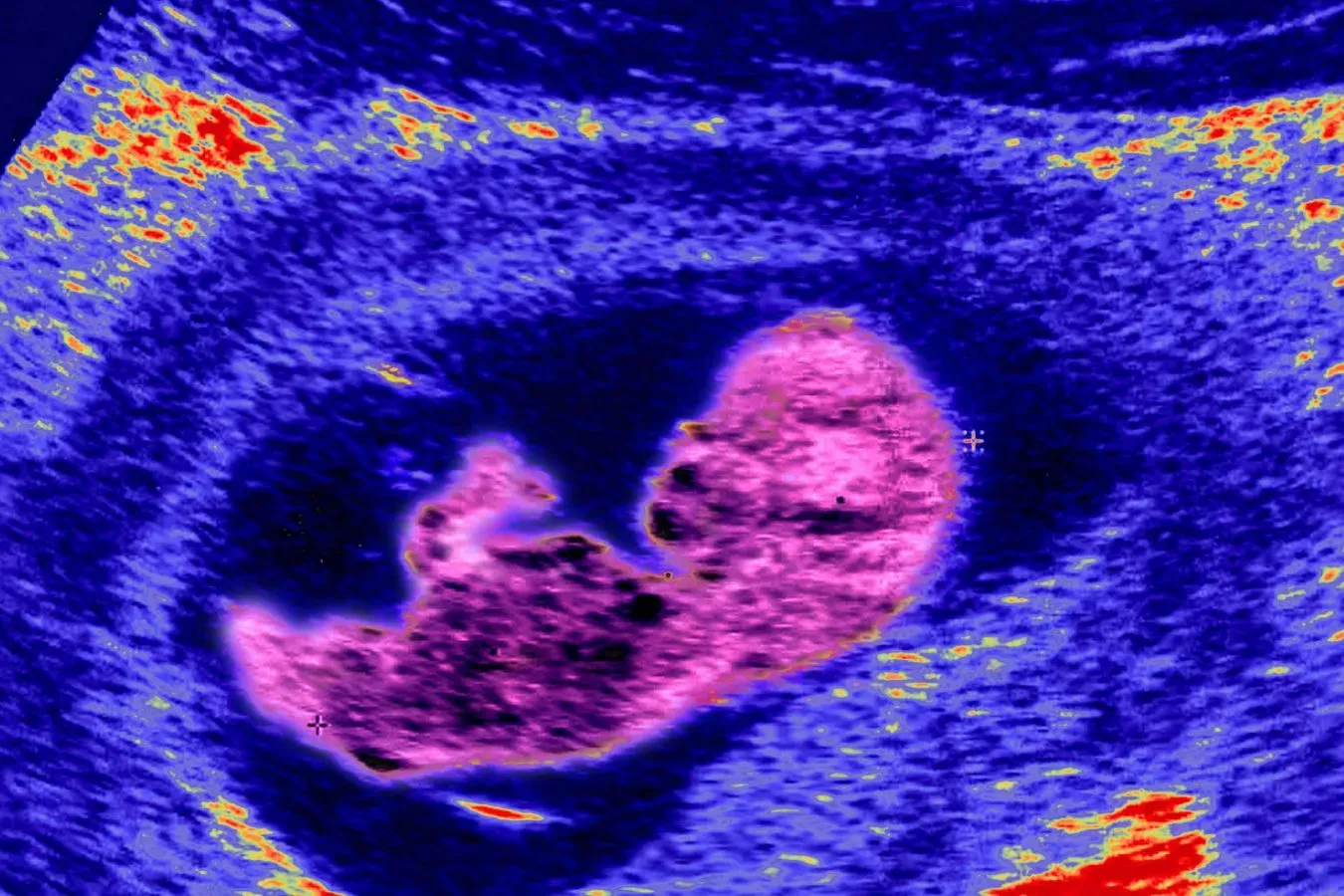
A surprising discovery has been made about the presence of maternal cells in the human body. Research suggests that while a fetus is still in the womb, cells from its mother can penetrate the brain and remain there for life.
These cells, known as microchimeric cells, are believed to take on various roles within the body, even into old age. They appear to become integrated into the tissues of their host, performing functions that are not yet fully understood.
The presence of maternal cells in the human body is not a new concept - scientists already knew that some cells from our mothers and other family members can be found inside us. This phenomenon occurs when a small number of cells cross the placenta during pregnancy, which may influence an individual's risk of developing autoimmune conditions and play a role in tissue repair.
However, the extent to which these maternal cells reach the brain and what role they play there has been unclear until now.
Brain samples from mothers and their children are difficult to compare due to the rarity of these cells and the complexity of distinguishing them from the rest of the cell population.
To overcome this challenge, researchers at the Fred Hutchinson Cancer Center in Seattle have analyzed genetic sequences in brain tissue removed during surgery to treat epilepsy in 37 children aged from newborns to 14-year-olds.
These genetic sequences were compared against those found in mouth swabs taken from their mothers, using a technique called single-nucleus RNA sequencing to identify unique patterns of genetic arrangements.
This method allowed the researchers to computationally analyze the data and pinpoint cells that did not fit into the expected model, likely indicating the presence of maternal cells.
The researchers used a computational method to analyze RNA sequence data from various studies on brain tissue. They found microchimeric cells present in multiple cell types within the brain, including neurons and immune cells called microglia.
Further analysis of previously published studies revealed that people across all age groups can harbor microchimeric cells in their brains. However, these cells were less common among older individuals, suggesting a decline with age.
This could be due to programmed cell death, a natural process where damaged or old cells are removed from the body.
Facts based on reporting originally published by New Scientist.
You may republish this story, in full or in part, if you credit News Central Site and link to it (licence CC BY 4.0). Photos are not included.