Snakebites Pose Far Greater Public Health Threat Than Previously Recognized
A new study reveals that over half of countries where venomous snakes pose a threat do not keep track of snakebite data, making it difficult to gauge the true scale of the problem.
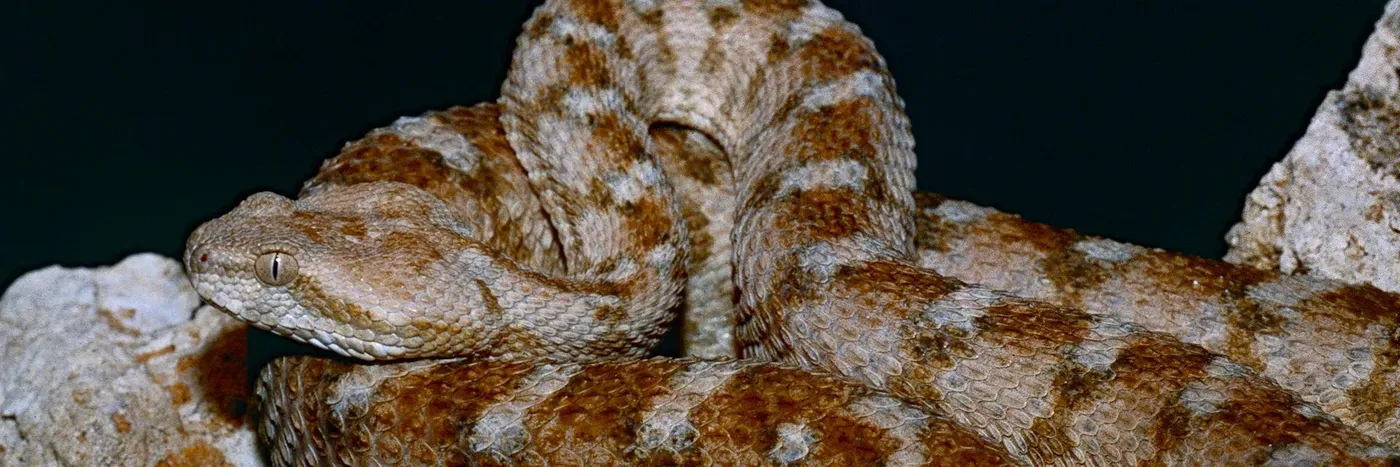
Snakebites are a far bigger problem than previously thought, according to a new study that sheds light on the hidden dangers of this potentially fatal condition.
The study reveals that over half of the countries where venomous snakes pose a threat do not keep track of the number of people bitten or envenomed. This data gap is particularly concerning in rural areas of sub-Saharan Africa and South Asia, where victims often live far from medical facilities and may rely on traditional healers for treatment.
In these regions, many snakebite victims face significant barriers to accessing healthcare, including lack of transportation and long distances to the nearest clinic. As a result, their cases are frequently not recorded in national health statistics, making it difficult to gauge the true scale of the problem.
The researchers behind this study have extensive experience in snakebite and tropical disease epidemiology, and they were motivated by the need for more accurate data on the global burden of snake envenoming.
The researchers compiled their findings from 79 countries, updating previous data up to March 31, 2025. This extensive review allowed them to build upon earlier studies, including their own global burden study published in 2008.
To address the gaps in available data, the team developed a geostatistical model that incorporates real-world information with local environmental and socioeconomic factors. By combining these variables, they were able to estimate envenoming and fatality rates more accurately than before.
The results indicate that snakebites pose a far greater public health threat than previously recognized. Sub-Saharan Africa bears the brunt of this crisis, with the region experiencing the highest burden of snake envenoming.
The World Health Organization has set an ambitious goal to reduce snakebite-related mortality and disability by half by 2030. To achieve this target, it is crucial to have accurate data at the country level, which is why mapping the problem at this scale is a critical first step towards addressing the issue effectively.
Our research indicates that snakebites are far more prevalent than previously thought, with millions of people worldwide falling victim to these hidden dangers each year.
By incorporating data on climate, snake species richness and socioeconomic indicators into our model, we were able to calculate the probability of snakebites occurring in specific locations. This allowed us to account for unreported cases of snake envenomings by comparing different data sources against ground-level community survey data.
This framework enabled us to produce a baseline estimate of snake envenomings and fatalities, as well as an upper ceiling for these numbers. Our calculations suggest that at least 2.1 million people experience snake envenoming annually, with the true number potentially reaching as high as 7 million.
The geographic distribution of this burden is highly uneven, with sub-Saharan Africa accounting for nearly half of all global envenomings and fatalities. In fact, our research shows that people in this region face a significantly higher risk of snake envenoming and death compared to those in South Asia.
The study reveals that sub-Saharan Africa is disproportionately affected by snakebites due to structural factors rather than accidents.
This region is home to a wide variety of medically significant venomous species, including saw-scaled vipers, puff adders, African cobras, and mambas. These snakes are responsible for substantial morbidity and mortality across the continent.
Rural agricultural workers in sub-Saharan Africa often labor in open fields without protective gear and walk on unlit footpaths at night, making them vulnerable to snakebites. When a bite occurs, fragile health systems and limited access to effective antivenom can turn what could be a treatable medical emergency into a fatal outcome.
In addition to the immediate risks of snakebite, survivors often suffer long-term physical disabilities, including amputations and other permanent impairments. These disabilities can lead to reduced household income, increased healthcare costs, and further economic hardship for already vulnerable farming families.
The World Health Organization's goal of reducing snakebite-related deaths requires a shift away from relying on guesswork and towards using spatial risk data to inform policy decisions.
By pinpointing areas with high snakebite risks, governments and global health partners can target their efforts more effectively, stockpiling antivenom in the most affected regions, training healthcare workers in rural zones where they are needed most, and improving transportation infrastructure for rapid medical response.
This approach can help ensure that life-saving treatments and prevention measures reach those who need them most, ultimately reducing the devastating impact of snake envenoming on vulnerable farming families.
Facts based on reporting originally published by Phys.org.
You may republish this story, in full or in part, if you credit News Central Site and link to it (licence CC BY 4.0). Photos are not included.