Neurable One Headphones Use EEG Technology for Improved Focus
The Neurable One uses EEG technology to track brain activity and provide real-time feedback to help users stay focused.
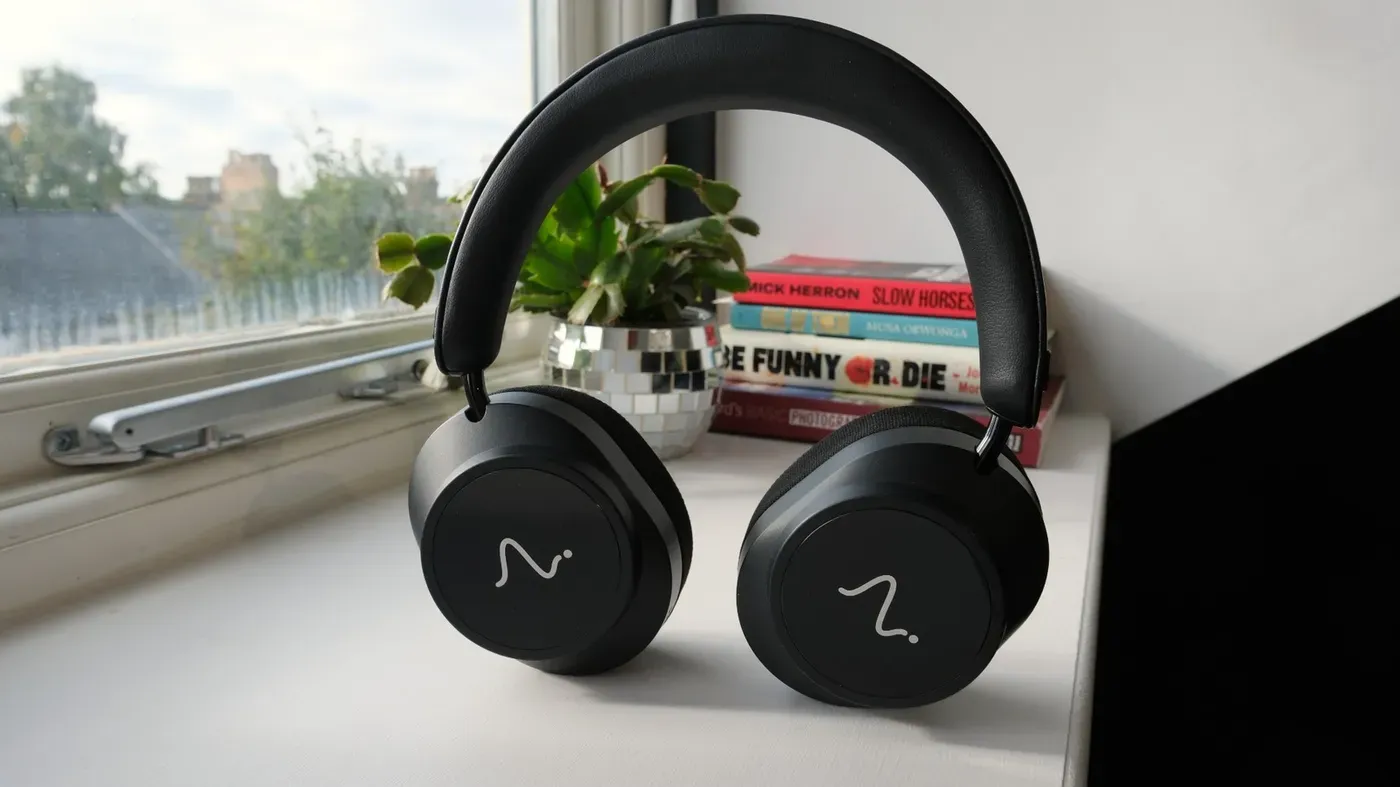
A new pair of headphones has been designed to monitor and improve focus levels while working or meditating. The Neurable One uses EEG technology to track brain activity, providing real-time feedback to help users stay on task. This innovative approach aims to make it easier for people to manage their attention and productivity.
The device is essentially a wearable fitness tracker for the brain, alerting users when their focus starts to wane. It recommends taking breaks to avoid burnout, allowing individuals to recharge and maintain their mental energy. By incorporating this technology into headphones, Neurable has made brain-scanning more accessible than ever before.
Compared to its predecessors, the Neurable One is a more affordable option, with improved software capabilities. However, some users may find the device too niche, limiting its appeal beyond enthusiasts of brain-computer interfaces and related technologies.
The company behind this innovation, Neurable, has its roots in a University of Michigan project from 2015. The goal was to develop Brain Computer Interfaces (BCIs) and algorithms that could interpret brain activity data. This technology has significant potential for both military and civilian applications, particularly in areas like cognitive performance.
Neurable's EEG headphones have been refined over time, with the Neurable One being its third iteration. The company has collaborated with Master & Dynamic on previous projects, but this latest model is a solo effort from Neurable. This shift marks a significant change for the brand, which had previously relied on partnerships to bring its products to market.
While the design of the Neurable One may not differ significantly from its predecessors, there are some subtle aesthetic tweaks. The logo on the earcups has been updated, and button placements have been modified. However, these changes are mostly minor refinements rather than major overhauls.
One notable change is the absence of cantilevered armatures joining the headband to the earcups. Instead, standard hardware has been used in their place, resulting in a more streamlined design. This modification may not be immediately noticeable but contributes to the overall aesthetic of the device.
The Neurable One's brain-scanning technology relies on EEG sensors embedded within the headphones. These sensors can detect subtle changes in brain activity, providing users with real-time feedback and recommendations for improvement.
Neurable's innovative approach has made it possible to integrate brain-scanning technology into a wearable device that is both functional and stylish. While some may find the concept of brain-computer interfaces niche or overly technical, Neurable's commitment to refining its products and making them more accessible is certainly noteworthy.
The Neurable One headset is equipped with similar technology to its predecessor, including 40mm Beryllium drivers and Bluetooth 5.2 connectivity. However, it has a few notable differences, such as six microphones instead of eight, and the same earcup design featuring dry-fit EEG sensors.
Neurable's approach focuses on helping users understand their cognitive performance throughout the day. The company suggests that our brains have limited capacity for sustained focus, and taking regular breaks is essential to avoid burnout. By monitoring one's attention levels, individuals can adjust their work patterns to maximize productivity.
The Neurable One system continuously tracks a user's focus levels from the moment they put on the headphones. This data can be reviewed over time to identify periods of peak and low performance. Users can then use this information to schedule breaks and optimize their workflow.
When used for meditation or relaxation, the headset provides insights into how the mind rests and recharges. By analyzing these patterns, users may gain a deeper understanding of their mental state and develop more effective self-care strategies.
One common issue with wearable EEGs is sensor sensitivity, which can be affected by skin dryness or moisture levels. However, the Neurable One's dry-fit sensors seem to perform well in most cases, requiring minimal maintenance.
In contrast to other products that require manual preparation of the sensor pads, the Neurable One appears to be more user-friendly. While there may be occasional requests to adjust hair away from the ears for optimal signal strength, this is a minor inconvenience.
The dry-fit sensors on the Neurable One have proven to be relatively reliable, with minimal need for manual intervention or adjustments. This ease of use makes it an attractive option for those looking to incorporate EEG monitoring into their daily routine.
By providing a more seamless experience, the Neurable One headset has the potential to make brain-computer interfaces more accessible and appealing to a wider audience. Its ability to track cognitive performance and offer insights into mental states may also have applications beyond productivity and focus.
The process of setting up Neurable One's brain-scanning headphones is remarkably straightforward, making it easy to begin using them from day one. The initial steps are effortlessly simple, and this ease of use continues into the daily routine that you'll fall into with relative speed. This daily routine starts with a brief check-in at the beginning of each day, where you close your eyes and trigger a 60-second scan of your brain.
The results of this scan are presented in a clear dashboard, displaying your scores alongside a comparison to your previous day's performance. This allows you to quickly see if things have improved or worsened since yesterday. If you've had a tough night or if there's been a lot going on, the app also invites you to jot down some notes directly onto the same screen.
The Insights and Improve sections of Neurable One are where the technology really starts to show its value. These areas provide personalized guidance not only on how to manage your current cognitive load but also on strategies for boosting it. The advice offered here is often surprisingly practical, suggesting that you delay making big decisions or break down large tasks into smaller, more manageable chunks.
One of the most pressing issues I faced during my testing period was a consistently high Cognitive Load score. This seemed particularly ironic given my profession as a journalist, which involves juggling multiple projects simultaneously. Despite this, the app continued to offer actionable advice, urging me to take short breaks and engage in physical activity to improve my focus.
The app's ability to track real-time concentration levels is another valuable feature of Neurable One. By setting the EEG running at regular intervals, typically around 9 AM or 10 AM, you can monitor your progress throughout the day. If it detects a decline in focus, the system will gently nudge you back on track with a soft ping played through the headphones.
However, there is one aspect of Neurable One's system that didn't quite resonate with me: its use of gentle prods to encourage focus. When it senses your attention beginning to wane, the app will trigger a subtle alert in the form of an ear-ping, essentially urging you to refocus your efforts.
Despite this minor quibble, I found Neurable One's guidance on managing cognitive load to be refreshingly practical and often surprisingly effective. The advice offered by the app, such as taking short breaks or engaging in physical activity, is grounded in a deep understanding of how our brains function under stress.
One of the most interesting aspects of using Neurable One was seeing firsthand how my brain responded to different strategies for improving focus and productivity. By following the app's recommendations, I found that I could make tangible improvements in both areas over the course of just one morning.
While the Insights section provides valuable guidance on managing cognitive load, it's the Improve area where the app really shines. Here, you'll find actionable advice on how to boost your focus and productivity, including suggestions for short breaks and physical activity.
The combination of real-time tracking and personalized advice offered by Neurable One makes it an incredibly useful tool for anyone looking to improve their mental performance and stay focused throughout the day.
The audio guidance provided by Neurable One is a persistent presence that can be both helpful and distracting. At times, it feels like a nagging voice in the background, but shutting it off isn't necessarily an option for those who want to fully utilize the headphones' features.
Despite its occasional grating quality, the audio feedback loop created by Neurable One proved to be an effective tool for improving focus. As I continued to use the headphones, I began to notice patterns and correlations between my mental state and the guidance offered by the system.
The sound quality of Neurable One is a notable aspect of its design. The company has clearly been influenced by other high-end audio brands, such as Master & Dynamic, which are known for their warm bass and clear treble. The result is a rich, immersive atmosphere that makes it feel like you're right in the midst of the music.
One particular test track that showcases Neurable One's audio capabilities is "Finale" from the Tron: Legacy soundtrack. This piece features a distinctive horn player whose breath can be heard throughout the recording, and I was delighted to experience this level of detail when wearing the headphones.
While the sound quality of Neurable One is certainly impressive, there are some trade-offs associated with its design. The company's decision to part ways with established audio brands has resulted in the loss of certain features within the app.
In particular, users no longer have access to a custom EQ that can be adjusted to suit their preferences. While this isn't necessarily a major drawback, given the quality of the sound, it would be nice to see this feature reinstated in future updates.
Another area where Neurable One falls short is its integration with music apps. Unlike some other headphones on the market, Neurable One doesn't have seamless integration with popular services like Spotify or Apple Music.
Instead, users are presented with a default selection of synthwave tracks that can be played through the app. While this isn't necessarily a bad thing, it's certainly not ideal for those who prefer to listen to their own music while wearing the headphones.
Interestingly, Neurable One is slightly heavier than its predecessor, weighing in at 345 grams. This may seem like a minor point, but it's worth noting that other high-end headphones on the market are often designed with comfort and weight reduction in mind.
Despite its relatively heavy design, I found that Neurable One was comfortable to wear for extended periods of time. However, I do acknowledge that this may not be the case for everyone, particularly those who prefer over-ear designs.
As someone who typically favors on-ear headphones, I found that Neurable One had a distinct presence that became noticeable after several hours of wear. While it wasn't necessarily uncomfortable, it was certainly something to get used to.
The battery life of Neurable One is a notable aspect of its design, with the company claiming it will run for 22 hours or 12 hours when using the EEG feature. However, my own testing revealed that without active noise cancellation, I only managed to get just over 12 hours of use before needing to recharge.
This may seem like more than enough time on a single charge, but it's worth noting that this falls short of what's expected from premium headphones in terms of battery life. Considering the price point of Neurable One, which is significantly lower than previous versions, one might expect better endurance.
At $499, Neurable One offers a lot of value for its price, particularly when compared to other EEG-enabled headphones on the market. The fact that all the insights and data are included without any additional paywalls is also a significant advantage.
Neurable doesn't have much competition in the consumer-grade EEG headset space, with only a handful of companies offering similar products. Brainbit is one such company, but its EEG cans for consumers come at a significantly higher price point of $900.
This includes access to a free app on iOS, macOS, Android, or Windows that allows users to monitor their brain activity in real-time. While this may be a more expensive option, it's worth noting that Brainbit does offer a premium product with additional features and support.
For those looking for an alternative to EEG-enabled headphones, there is also the option of wearable EEG devices like Muse. The latest model from Muse, the S Athena, is an EEG headband designed to help improve meditation and monitor brain oxygenation levels.
The Muse S Athena comes with a price tag of $539, which includes a year's worth of premium features that provide additional insights into brain activity. This includes data on Alpha Peak and Brain Recharge, as well as integration with popular apps like Spotify or Calm.
Ultimately, the decision to purchase Neurable One will depend on individual preferences and priorities. While it may not be the most expensive option, it's worth considering the value offered by this product in its own right.
For Neurable One to be effective, users must be committed to wearing the brain-scanning headphones regularly. The technology is not yet suitable for casual use, requiring a level of dedication that may deter some from trying it out.
The product's limitations are largely due to its infancy in the market, suggesting significant advancements will occur over time.
Facts based on reporting originally published by Engadget.
You may republish this story, in full or in part, if you credit News Central Site and link to it (licence CC BY 4.0). Photos are not included.