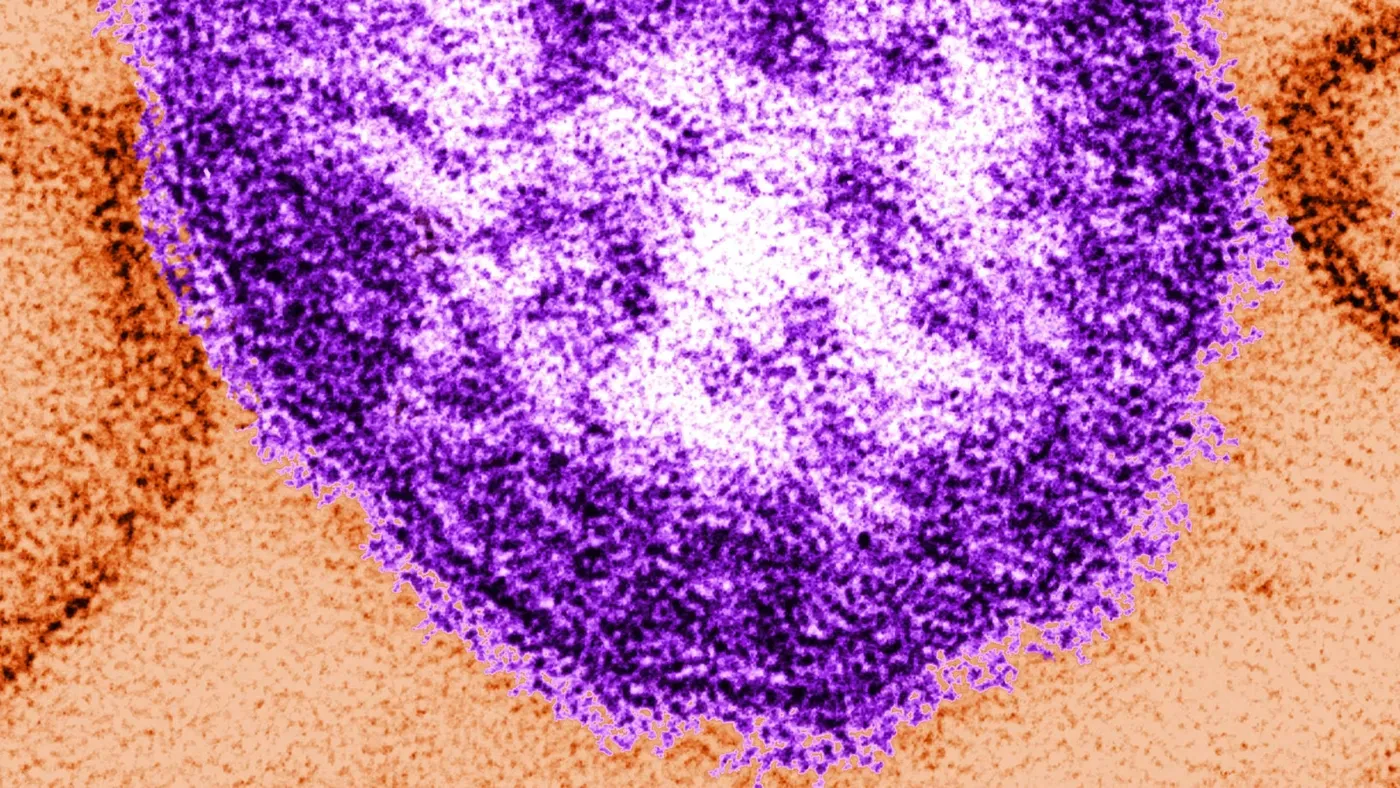
Measles cases on the rise in several countries including US, Mexico, and Bolivia
Experts say most adults have adequate protection against measles due to vaccination or childhood infection.
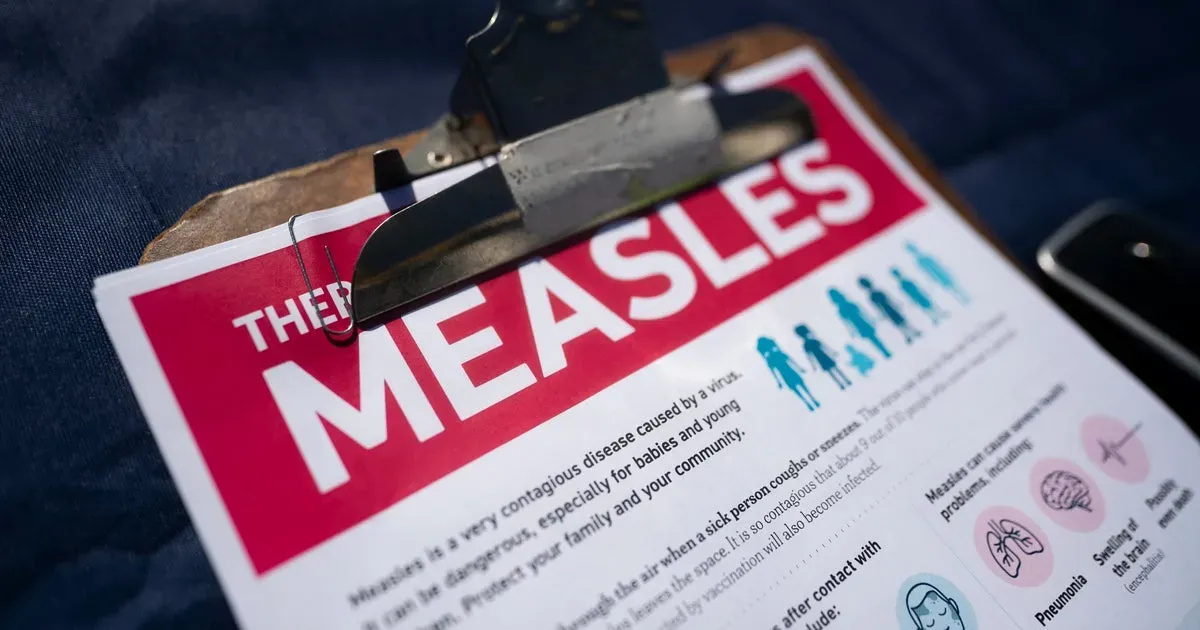
Measles cases are on the rise in several countries, including the US, Mexico, and Bolivia, prompting concerns about adult vaccination.
Experts generally agree that adults do not need a booster shot unless they fall into certain categories.
According to Dr. Richard Martinello at Yale School of Medicine, most people have adequate protection against measles due to having been vaccinated or contracting the disease as children, eliminating the need for additional shots.
The US, Mexico, and Bolivia recently lost their measles-free status after outbreaks led to a reversal of decades-long progress towards eradicating the virus.
Healthcare workers born before 1957 without proof of immunity are one group that may benefit from considering a booster shot due to increased exposure risks.
Health officials are warning that adults vaccinated between 1963 and 1967 may not be fully protected against measles due to a less effective vaccine they received during those years.
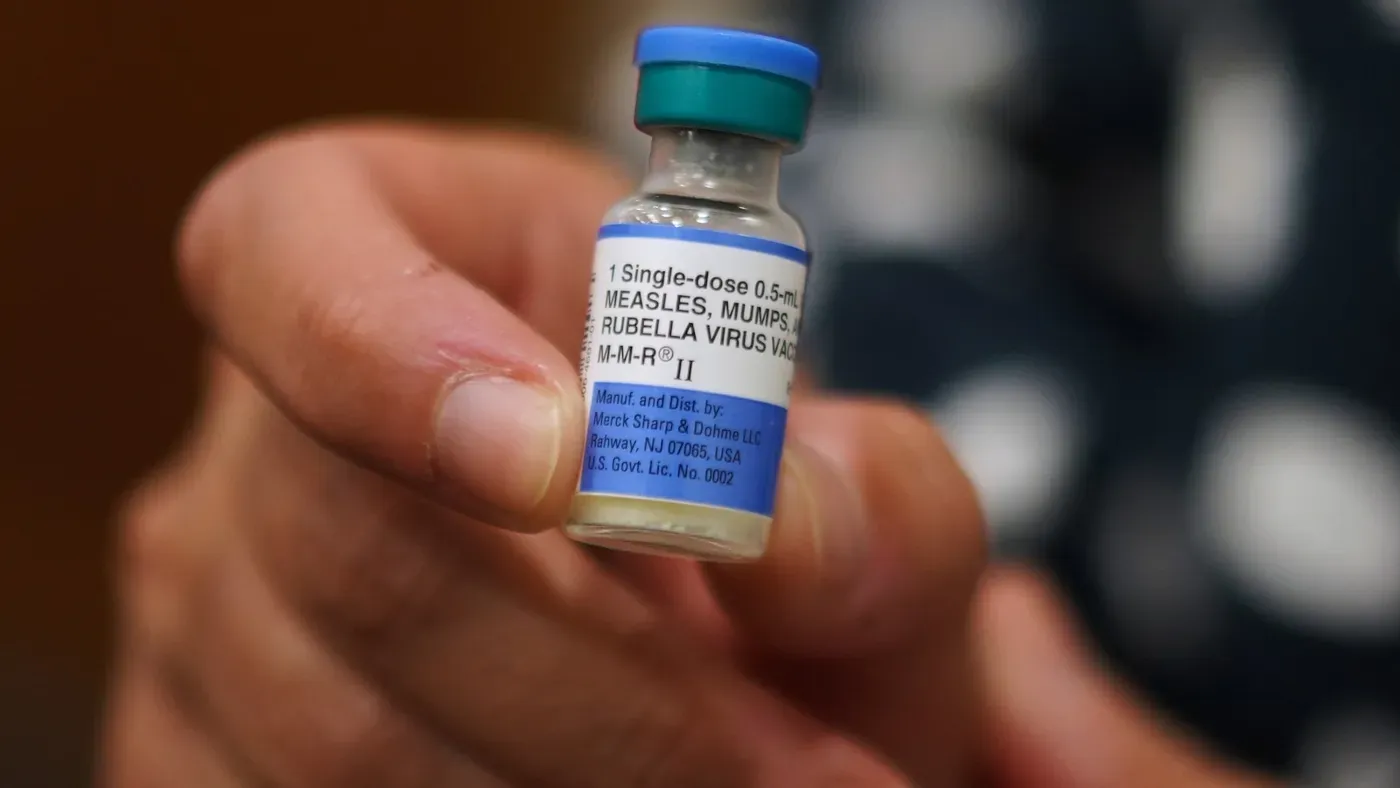
The inactivated vaccine used at that time was not as potent as the current live, weakened virus vaccine now widely available, which provides 97% protection with two doses. Those who got this older vaccine should get at least one dose of the MMR vaccine, which is 93% effective against measles with just a single shot.
The recommendation for adults is to have at least one documented dose of the MMR vaccine, whereas previously only a single dose was standard until 1989. For certain high-risk groups, including healthcare workers and international travelers, two doses are recommended if they lack other evidence of immunity.
According to Dr. Joshua Sharfstein at Johns Hopkins Bloomberg School of Public Health, people who have had no shots or only one shot may want to consider getting vaccinated, especially if they're in a risk group for another shot. These groups include those in school, healthcare workers, international travelers, and individuals living with family members who have compromised immune systems.
In areas experiencing active measles outbreaks, health officials might advise that everyone get two shots, Sharfstein noted, adding that this is usually the case when there's a high risk of exposure to the virus.
When considering whether to get an additional measles shot, it's essential to first determine how many shots you've already received. This information can be obtained by consulting your physician or checking records from previous vaccinations.
If you're unsure about your vaccination history, there are several ways to verify it. You can start by asking your parents or doctor about the number of shots you received as a child. Alternatively, you may want to contact your high school or college health services, which typically keep records of immunizations administered during that time.
Checking with previous employers that required vaccinations is another option for tracking down vaccination information. Some states also maintain registries that include adult vaccines; contacting your state's health department can help determine if such a registry exists in your area. By gathering this information, you'll be better equipped to make an informed decision about whether additional protection against measles is necessary.
While an MMR immunity blood test can provide insight into your antibody levels against the virus, it's not considered a definitive measure of safety from measles. According to medical experts, the link between test results and actual protection levels remains unclear, making this option more of a supplementary tool for assessing individual risk rather than a conclusive determinant of vaccination status.
As measles cases continue to rise in the US, health experts stress that it's essential to take proactive measures to safeguard against this highly contagious disease.
Encouraging others to get vaccinated is a crucial aspect of maintaining herd immunity, according to Dr Sharfstein, who emphasizes that people should not underestimate the risks posed by measles. Many individuals have taken measles for granted in the past, failing to consider its severity or believing it's no longer a significant threat; however, this attitude has now changed with the resurgence of outbreaks.
With vigilance being key in preventing the spread of measles, it's vital that people remain informed about their vaccination status and encourage others to do the same.
Facts based on reporting originally published by ABC News Health.
You may republish this story, in full or in part, if you credit News Central Site and link to it (licence CC BY 4.0). Photos are not included.