Global Biodiversity Framework's Progress at Risk Without Reliable Metrics
A group of scientists have expressed concerns that the Global Biodiversity Framework may not achieve its ambitions without reliable metrics to track progress.
A landmark agreement reached in 2022 on global biodiversity has been hailed as a significant step forward in tackling the issue of biodiversity loss worldwide.
However, a group of scientists from around the globe have now expressed concerns that without reliable and independently verified measures to track progress, the framework's ambitions risk falling short. According to these experts, governments, businesses, and investors need access to robust metrics to determine whether nature is truly recovering.
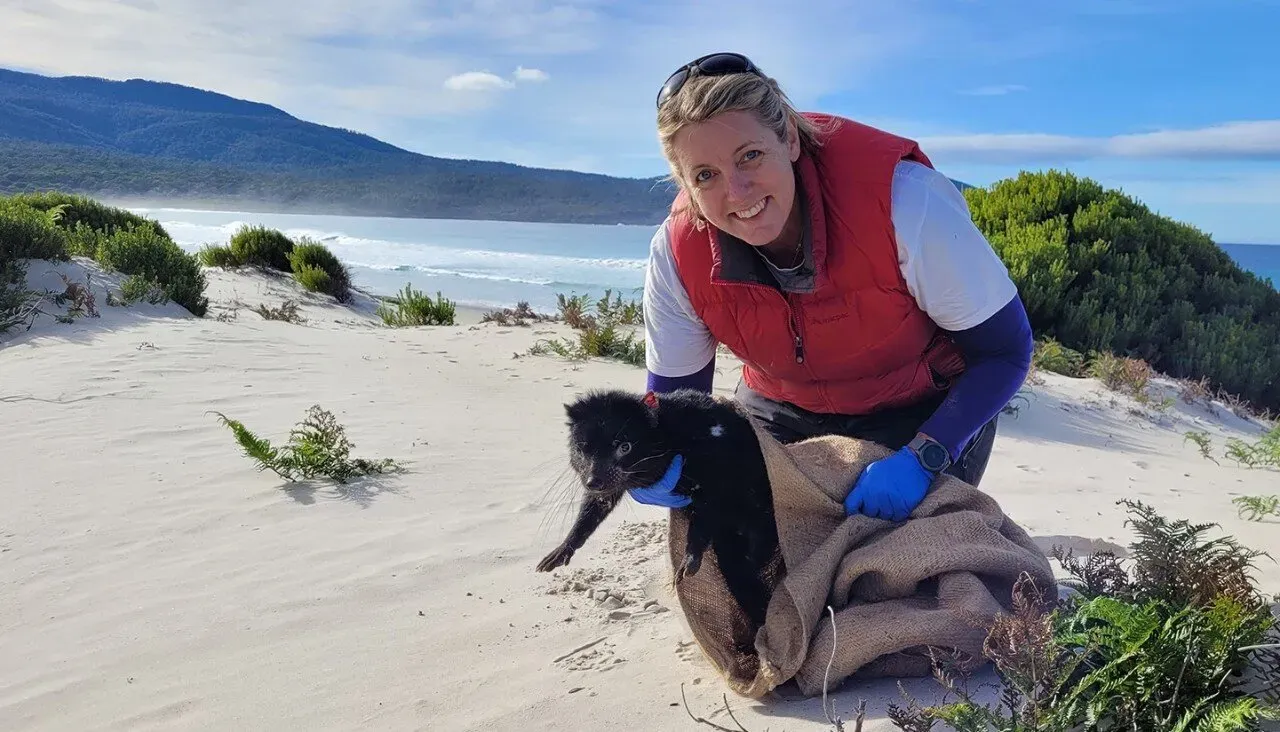
The absence of credible ways to measure progress means that ambitious targets may remain just that - on paper, with little actual impact on the ground. This criticism has been echoed by University of Sydney conservation scientist Carolyn Hogg, who notes that agreeing to protect nature and actually doing so are two very different things.
To give meaning to the framework, governments and other stakeholders must have access to reliable data that accurately reflects the state of global biodiversity.
The development of reliable data on global biodiversity has been a crucial step towards implementing the Global Biodiversity Framework. To achieve this goal, researchers have proposed using the State of Nature metrics developed by the Nature Positive Initiative. These metrics aim to provide a standardized framework for tracking changes in nature across countries and sectors.
Empirical testing is seen as a key solution to address many of the challenges raised in an article on the Global Biodiversity Framework. To this end, a global alliance of research-intensive universities has been established through the Universitas 21 Nature Positive Coalition. This coalition was launched in May 2025 with the goal of developing more effective state of nature metrics.
The ultimate objective is to create a comprehensive system that accounts for various factors beyond just the metrics themselves. The authors propose developing a "matrix beyond the metrics", essentially a dashboard that provides a holistic view of ecosystem health, taking into consideration financial, legal, social, and ecological aspects.
Pilot projects are currently underway in Scotland and New Zealand, with the coalition seeking funding to expand its reach to 10 global locations across diverse bioregions and financial and legal systems. This initiative is expected to provide valuable insights that can inform decision-making processes and ensure the metrics work for all stakeholders involved, from ecosystems to investors.
The Global Biodiversity Framework's success hinges on its ability to transcend financial and business spheres, extending its reach into diverse ecosystems, geographical regions, and socioeconomic contexts.
To achieve this, the metrics must be applied consistently across various landscapes, seascapes, biomes, and governance systems, ensuring a comprehensive understanding of biodiversity loss.
Facts based on reporting originally published by Phys.org.
You may republish this story, in full or in part, if you credit News Central Site and link to it (licence CC BY 4.0). Photos are not included.