Meal Prepping Requires Proper Food Safety Guidelines
Properly handling and storing bulk-cooked meals can prevent the spread of bacteria and viruses.
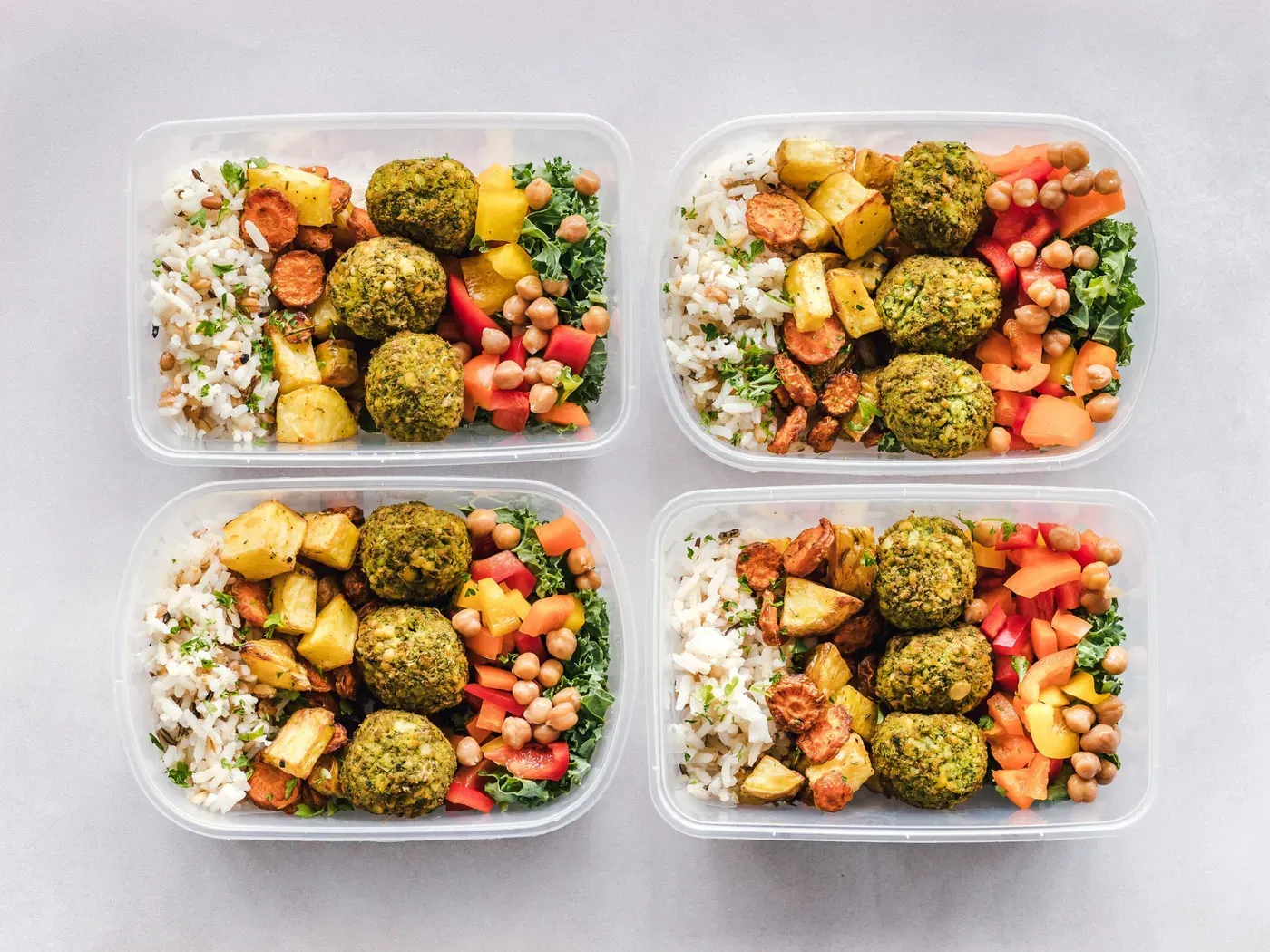
Meal prepping has become an increasingly popular way for people to save time, money, and stick to their meal plans. However, there are potential risks associated with consuming bulk-cooked meals if not handled properly.
The issue lies in how the food is stored after cooking, rather than the act of cooking itself. To minimize these risks, it's essential to follow proper food safety guidelines when meal prepping. As a microbiologist, one key piece of advice is to prioritize good hygiene throughout the entire process.
Washing your hands with soap and hot water before and after handling raw ingredients is crucial in preventing the spread of bacteria and viruses that cause food poisoning. This includes meat and even fresh produce, which can harbor pathogens like E. coli, Salmonella, and Listeria.
Kitchen work surfaces and equipment used for raw food preparation must also be disinfected to eliminate any pathogens and prevent cross-contamination between raw and cooked foods. To thoroughly clean a surface, start by removing any visible dirt or grease with a paper towel, then spray it with a food-safe kitchen disinfectant.
Allow the surface to dry completely before use, and repeat the cleaning process after cooking to maintain a safe environment for meal prep. By following these simple steps, individuals can enjoy the benefits of meal prepping while minimizing their risk of foodborne illness.
Ensuring pots and pans are properly cleaned before cooking is a crucial step in meal prepping. This practice helps minimize the number of germs that can contaminate cooked meals, making them safer to eat.
Individuals who are experiencing an upset stomach should exercise caution when meal prepping for others. If your illness is caused by an enteric virus, such as norovirus, it's best to avoid preparing food altogether. Even with careful adherence to hygiene protocols, there's still a risk of passing on germs through cooked meals.
Cooking raw ingredients to a safe temperature is essential in meal prepping. Undercooked or reheated foods can pose a significant risk of food poisoning, making proper cooking techniques a top priority.
To ensure that meat and other foods are thoroughly cooked, it's recommended to cook them to a core temperature of at least 75°C (167°F) for two minutes. A cooking thermometer should be used to check the internal temperature of different areas within a dish or piece of meat.
When storing leftovers, it's essential to cool them quickly within two hours of preparation and store them at a low temperature. This helps minimize germ growth by preventing bacteria, fungi, and other microbes from accumulating on uncovered food.
Dividing cooked meals into smaller portions and storing them in containers can speed up cooling by allowing air to circulate around each portion.
To cool food quickly and safely, consider placing containers on a baking sheet and setting them on a bed of ice or running them under cold water. However, make sure the leftovers are stored in waterproof containers or bags to prevent water contamination from occurring during this process.
Once the meals have cooled down, they should be transferred to the refrigerator for storage. It is essential to cover the food while it is in the fridge, as airborne microbes can still pose a risk even in these environments.
Fridges only inhibit the growth of harmful bacteria when temperatures are maintained at or below 5°C (41°F). This temperature threshold is crucial in preventing bacterial proliferation and ensuring safe consumption of stored meals.
When meal prepping for extended periods, it may be necessary to freeze some portions. Frozen meals can be kept for an extended time as long as they are stored at -18°C (0°F) or lower. However, the taste and texture of frozen food tend to deteriorate over longer storage periods.
Ground meat is a high-risk food item that requires special handling due to its potential for widespread contamination with pathogens during processing. To minimize this risk, ground meat should be cooked thoroughly to an internal temperature of at least 75°C (167°F) before consumption.
Rice and pasta are staple ingredients in many batch-cooked meals, but they pose a food poisoning risk due to their ability to harbor spores of Bacillus cereus. This bacterium has a particular affinity for starchy foods like rice and pasta.
The issue with B. cereus is that its endospores, which contain the cell's DNA, are highly resistant to heat. Even when cooked to high temperatures, these endospores can survive and potentially grow into new cells once the food cools down.
When preparing meals that combine meat with rice or pasta, it's essential to be mindful of storage times. While freshly made dishes are generally safe to eat within a 24-hour window, leaving them in the fridge for longer than 48 hours increases the likelihood of B. cereus endospores germinating and contaminating the food.
If you're not planning to consume your batch-cooked meals immediately, it's safer to store them frozen rather than refrigerated. This helps to slow down microbial growth and prevent the spread of contamination.
Preparing salads in advance is also a recipe for disaster, as many types of lettuce already contain microorganisms that can multiply rapidly once exposed to air. Adding proteins, dressings, or other ingredients only exacerbates the problem, making it best to prepare salad just before eating.
When reheating meal-prepped foods, it's crucial to limit the number of times you reheat them to just once. This is because repeatedly changing the food's temperature provides bacteria with more opportunities to multiply and cause food poisoning.
To ensure that any bacteria present are eliminated, meals should be reheated until they reach a steaming hot temperature of at least 60°C (140°F). This high heat will effectively kill off any potential pathogens.
By following these guidelines for meal prep safety, you can enjoy the benefits of prepping your meals while minimizing the risks associated with foodborne illnesses.
Facts based on reporting originally published by Phys.org.
You may republish this story, in full or in part, if you credit News Central Site and link to it (licence CC BY 4.0). Photos are not included.