Climate Change: Resilient Ecosystems Thriving Against All Odds
Researchers at the University of Sydney have identified key factors behind successful conservation efforts in various ecosystems around the world.
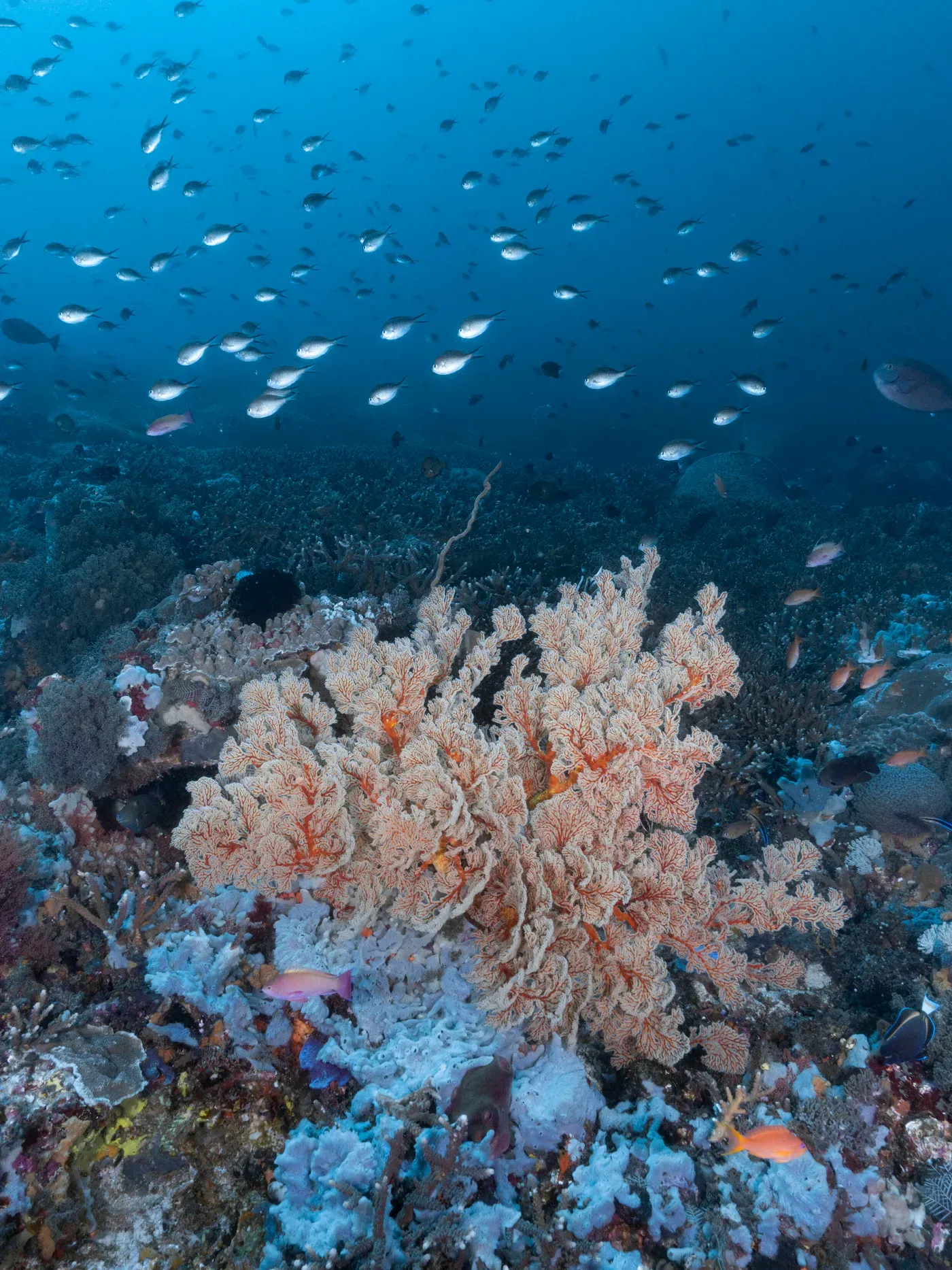
Despite the alarming rate of climate change and habitat loss, some ecosystems are bucking the trend and thriving in unexpected ways. From coral reefs in Papua New Guinea to chimpanzees in West Africa, grizzly bears in Canada and albatross colonies off Tasmania, these resilient ecosystems have managed to adapt and flourish against all odds.
A recent study by researchers at the University of Sydney has identified the common threads behind these unlikely success stories. The study's lead author, Dr. Bing Lin from the Thriving Oceans Research Hub, notes that three key factors are driving these positive conservation outcomes. These factors include a deep respect for local knowledge and traditional practices.
The study draws on more than 70 case studies of environmental and sustainability successes around the world. Rather than focusing solely on areas where ecosystems are failing, the researchers have examined examples where species, communities, and social-ecological systems are performing better than expected despite challenging circumstances. By analyzing these success stories, the researchers aim to develop a framework that can support fragile ecosystems and the people who rely on them.
The study's findings suggest that valuing local knowledge and traditional practices is crucial for effective conservation efforts. By working closely with communities and incorporating their perspectives into decision-making processes, conservationists may be able to develop more tailored and effective solutions. This approach also acknowledges the importance of adapting management strategies to suit local social and environmental conditions.
Researchers from the University of Sydney's Thriving Oceans Research Hub have been reviewing a wealth of data on successful conservation efforts in order to identify key factors that contribute to these outcomes. The study aims to provide a framework for supporting fragile ecosystems, but further research is needed to fully understand the implications of its findings and how they can be applied in practice.
A framework for understanding why some ecosystems thrive against all odds is beginning to take shape, thanks to a comprehensive review of conservation success stories from around the globe.
By synthesizing seemingly unrelated cases of thriving ecosystems and people, researchers have identified common characteristics that allow these partnerships to flourish despite immense challenges.
These "bright spots are not simply lucky exceptions, but rather areas where adaptable practices and processes have been implemented in harmony with local environmental and cultural conditions, often bolstered by a community's capacity to drive change.
In one such location, Papua New Guinea, researchers have spent decades working alongside coastal communities to develop sustainable fishing practices that benefit both the environment and the people who depend on it.
The presence of a supportive community with the ability to implement these adaptive practices is a key factor in the success of these ecosystems, allowing them to thrive despite challenging conditions.
A coral reef site in a remote region has emerged as one of the world's most resilient ecosystems, defying expectations of widespread decline. The remarkable resilience of this ecosystem is attributed to a unique combination of traditional practices and community engagement.
The site in question employs an ancient method of marine protection, where parts of the reefs are periodically closed to fishing. This practice allows the ecosystem to recover between harvesting periods, similar to fallow agriculture on land. By giving the reef time to rejuvenate, these communities have managed to maintain abundant marine life while supporting their local livelihoods.
Strong social bonds within the community play a crucial role in sustaining this environmental success story. Elders and younger generations share responsibilities for managing the reefs, while cultural traditions emphasize the importance of participation. This collective approach has helped foster a sense of ownership among community members, who are invested in protecting the reef's resources.
The environmental achievements of these communities have been facilitated by their extensive local experience and genuine control over decision-making processes. Unlike top-down management approaches often criticized for being ineffective or even counterproductive, this system relies on community-driven initiatives that prioritize long-term sustainability over short-term gains.
This remarkable ecosystem has offered a beacon of hope in the face of widespread coral reef decline worldwide. The resilience of these communities serves as a powerful example of how traditional practices and community engagement can be leveraged to protect marine resources while supporting local livelihoods.
In various parts of the world, researchers have identified pockets where ecosystems are thriving despite widespread decline.
A notable example is found in West Africa, where some populations of critically endangered western chimpanzees are surprisingly resilient. These strongholds often lie outside protected areas and inaccessible regions, but rather in locations where local communities continue to uphold cultural traditions that discourage hunting and promote coexistence with wildlife.
In Canada's Great Bear Rainforest, First Nations communities have taken the lead in grizzly bear conservation by integrating Indigenous knowledge and stewardship into environmental governance. This approach has strengthened conservation efforts while reinforcing community authority and relationships between people and their environment.
Conservation initiatives aimed at protecting Tasmania's shy albatross have shown that close partnerships between scientists, wildlife managers, and policymakers can yield positive results. Collaborative decision-making has led to innovative interventions, such as protecting albatross chicks from parasites, expanding conservation programs, and establishing a framework for testing future population management options.
Conservation experts believe that the experiences of these thriving ecosystems offer valuable insights into effective conservation practices. By analyzing and comparing these bright spots, researchers hope to identify key factors contributing to their success and develop practical strategies for replicating them globally.
Despite a barrage of negative environmental news, researchers have identified areas where ecosystems are thriving despite adversity.
The discovery of these bright spots" offers a glimmer of hope for conservation efforts worldwide. According to experts, these pockets of success do not occur randomly, but rather follow specific patterns that can be studied and replicated elsewhere.
By analyzing and comparing these localized successes, scientists aim to distill the key factors contributing to their effectiveness, ultimately developing practical strategies for global implementation.
Facts based on reporting originally published by Phys.org.
You may republish this story, in full or in part, if you credit News Central Site and link to it (licence CC BY 4.0). Photos are not included.