Adult Acne Affects Adults Beyond Teenage Years
Adult acne has become a common issue for many individuals, affecting not just teenagers but also adults who are often more concerned about their appearance and self-perception in professional settings.
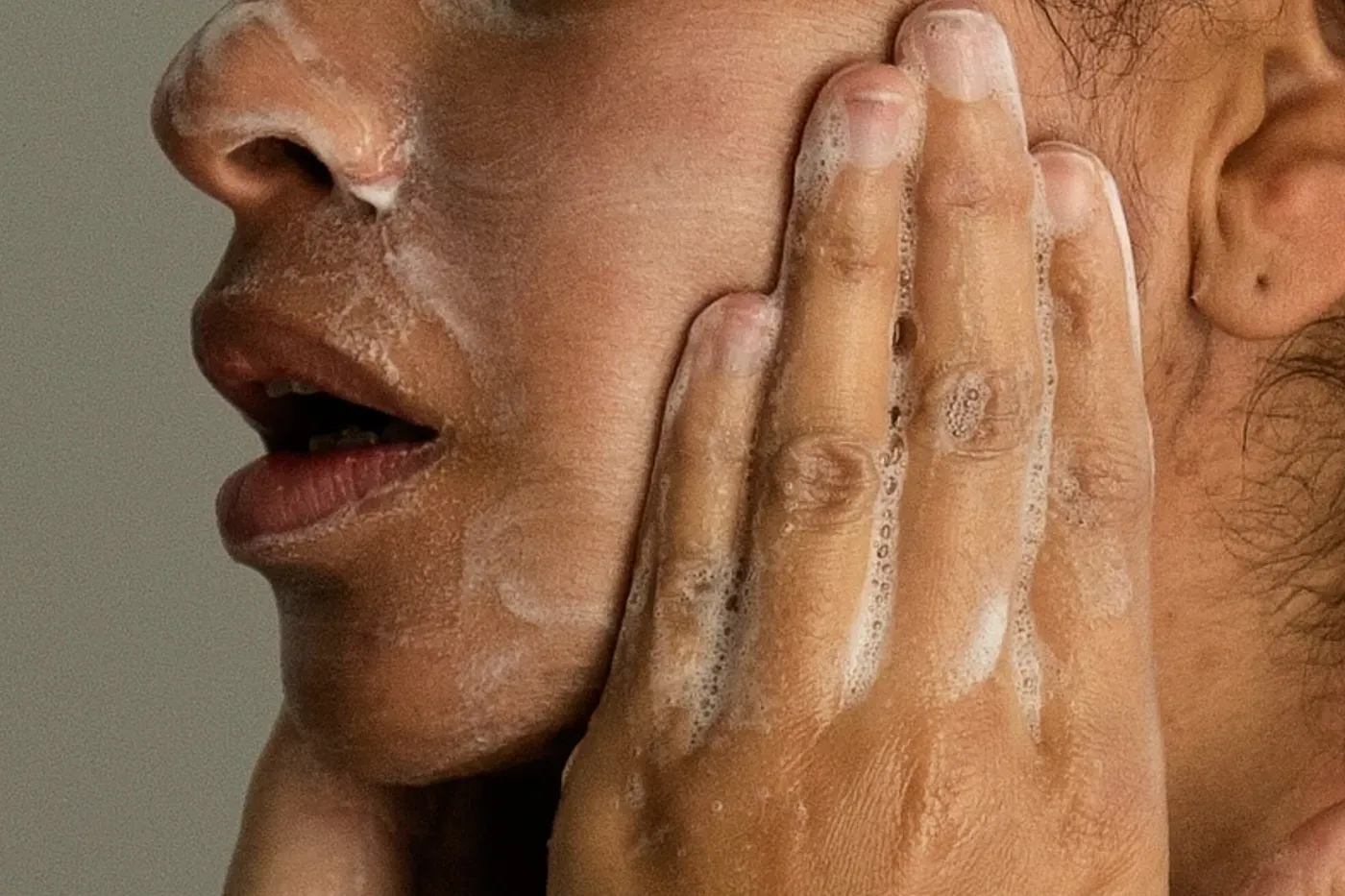
Adult acne has become a common issue for many individuals, affecting not just teenagers but also adults who are often more concerned about their appearance and self-perception in professional settings.
Gillian Maegan Montalbo, a marketer and content creator from the Philippines, experienced this firsthand when her teenage breakouts returned as an adult. The acne on her cheeks and chin made her feel anxious about interacting with her bosses, ultimately affecting her self-esteem and confidence.
Pimples and acne are often associated with adolescence, but they can also occur in adulthood, even beyond the face. Other parts of the body like the chest and shoulders can be affected, while some people experience back breakouts known as "bacne".
If adult acne persists and leads to discoloration or changes in skin texture, it's advisable for individuals to consult a dermatologist to determine the best course of treatment.
Adult acne often affects areas of the face that are prone to oil production, such as the forehead, nose, and cheeks in teenagers. In contrast, adults may experience hormonal acne on the jawline and chin, particularly women.
The use of steroids can also trigger acne in some individuals. This is due to a combination of factors, including genetics, hormones, environment, and diet. Consuming excessive amounts of dairy products has been linked to increased risk of developing acne.
Clogged pores are a primary cause of pimples, which occur when tiny skin pores become blocked by oil, bacteria, and dead skin cells. This can lead to various types of breakouts, ranging from mild white bumps to painful red cysts.
Breakouts can appear as small, painless white bumps or dark specks known as blackheads and whiteheads, or more severe forms such as deeper cysts characteristic of cystic acne.
The temptation to pick or pop pimples is a common one, but experts warn that this can exacerbate the problem and lead to further inflammation.
According to Dr. Fine, founder of Fine Dermatology in Chicago, resisting the urge to squeeze pimples is essential, as it will almost always make things worse. This is because picking can drive inflammation deeper into the skin, causing acne to spread and increasing the risk of marks and scarring.
The situation is particularly challenging for individuals with darker skin tones, as their skin may produce extra pigment when stressed, making marks take longer to fade away.
In treating adult acne, dermatologists often recommend a range of treatments, from over-the-counter creams and lotions to prescription-strength medications.
Adult acne in women often requires different treatments than those used for teenagers, as hormonal fluctuations play a significant role in this condition. Some dermatologists may recommend birth control pills or spironolactone to help stabilize hormone levels.
Cortisone injections can provide temporary relief from active acne spots, but they are not a long-term solution. These shots work by reducing inflammation and swelling associated with pimples.
Pimple patches containing hydrocolloid gel have gained popularity for their ability to absorb fluids from oozing pimples and prevent picking at them. However, these patches are only suitable for mild cases of acne, as some users may experience skin discoloration after using them.
Using products that contain glycolic acid can help fade acne-related discoloration over time. Over-the-counter creams containing adapalene or retinol have also shown to be effective in treating adult acne. These ingredients work by promoting cell turnover and reducing inflammation.
Dermatologists may recommend more aggressive treatments, such as laser therapy, for severe scarring caused by adult acne. This treatment involves using high-energy light beams to penetrate deeper into the skin and stimulate collagen production.
After her acne cleared up, Montalbo still had to deal with the lingering issue of acne scars. She found it challenging to rebuild her self-confidence and regain a sense of normalcy in her life.
Montalbo credits her support system for helping her navigate through this difficult period. Her father, who also struggled with acne, encouraged her to seek medical help and find effective skincare products. A close friend even accompanied her on a trip abroad during one of the worst breakouts, showing that true friends care little about external appearances.
Montalbo's experience underscores the importance of surrounding oneself with supportive people when dealing with adult acne.
Facts based on reporting originally published by Phys.org.
You may republish this story, in full or in part, if you credit News Central Site and link to it (licence CC BY 4.0). Photos are not included.