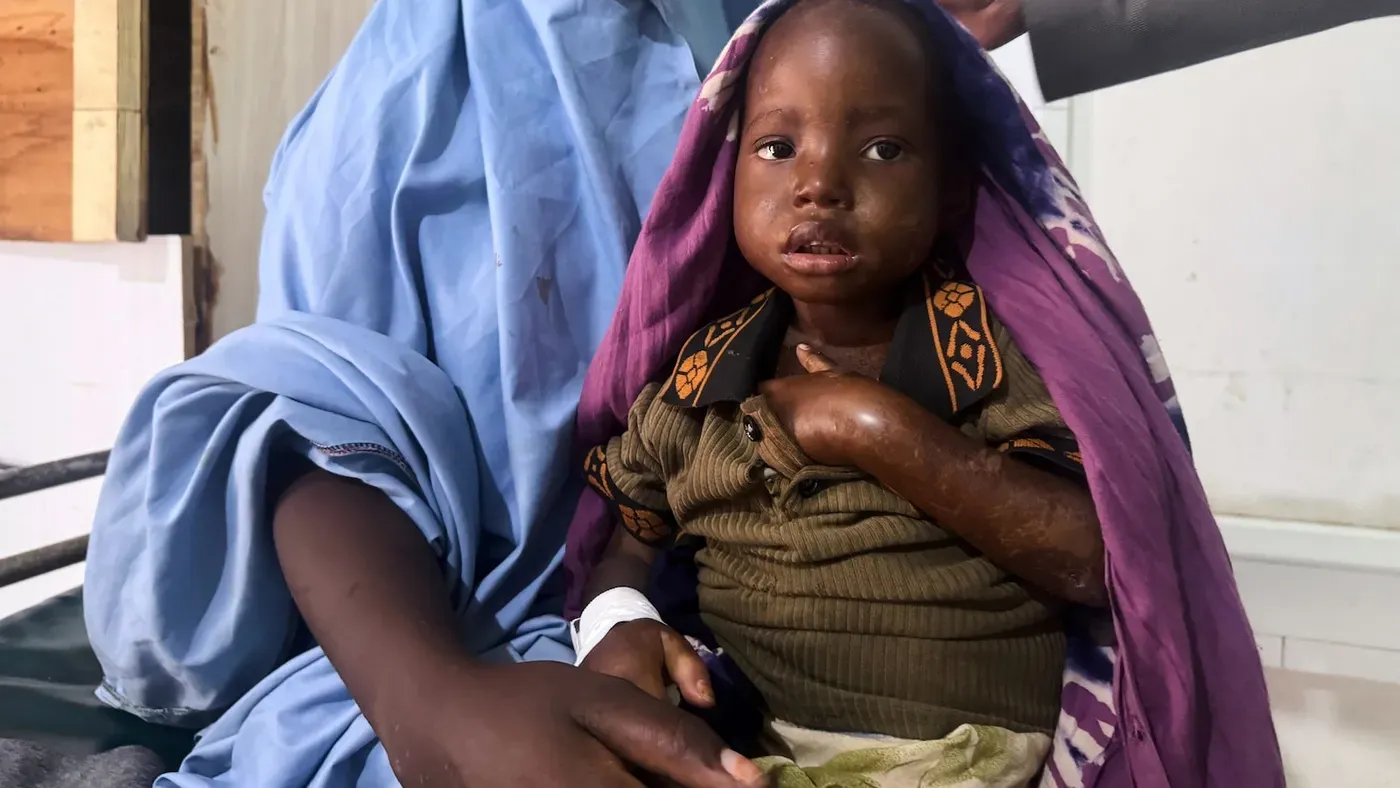
Malnutrition Cases Rise Among Young Children in Afghanistan
A sharp increase in admissions due to severe malnutrition has been reported at hospitals like the Indira Gandhi Institute of Child Health in Kabul.
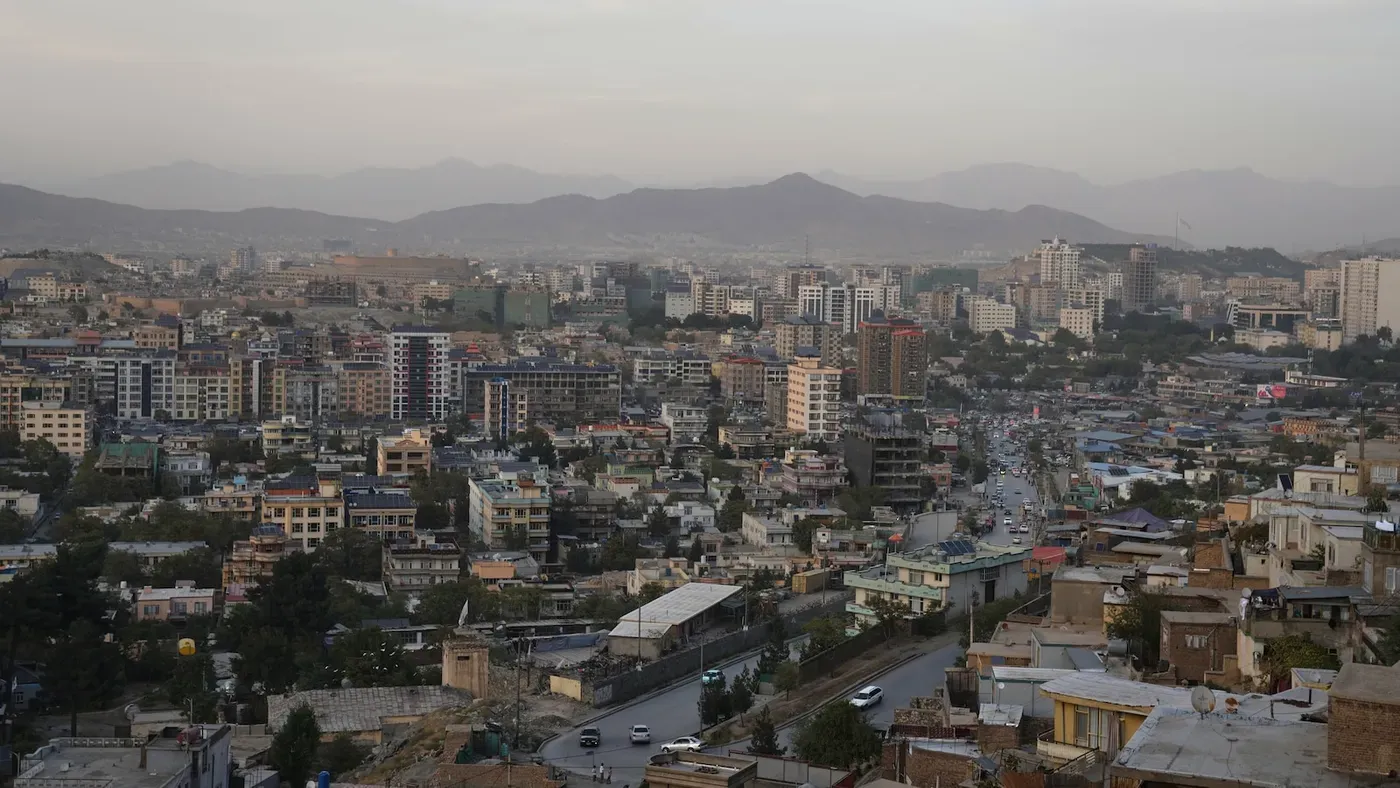
Afghanistan is grappling with a rising number of malnutrition cases among its most vulnerable population: young children. The situation has been exacerbated by overlapping crises that have left millions struggling to access basic necessities like food.
In hospitals like the Indira Gandhi Institute of Child Health in Kabul, the capital city, medical staff are witnessing a sharp increase in admissions due to severe malnutrition. This condition is characterized by thin limbs and swollen hands, feet, and belly, typically caused by protein deficiency. The hospital's 20 beds, which represent its maximum capacity, are currently filled to capacity with children suffering from this dire condition.
Malika, the mother of Kalsoum, a three-year-old girl struggling with malnutrition, is among those who have lost a child to this disease in recent months. Her five-year-old daughter Khadija succumbed to severe malnutrition just a few months ago, and Malika fears for her youngest daughter's life.
Malika's husband works as a day laborer but earns only $3-$4.60 on days when he finds work, barely enough to feed their family of six children. His lack of steady income has left the family in a precarious situation, forcing them to rely on charity and donations just to survive.
Hunger and malnutrition have become increasingly widespread across Afghanistan, affecting millions of people.
According to John Aylieff, Afghanistan country director for the World Food Program, nearly 40% of the population will face acute hunger in the next few months. This is a staggering number, with 19 million people at risk of suffering from life-threatening hunger. The situation is dire, and aid cuts have only exacerbated the problem.
Acute malnutrition rates are also alarmingly high, with Aylieff stating that they have reached unprecedented levels already. In the coming year, 5.3 million women and children will need treatment for acute malnutrition, a condition that can be fatal if left untreated. This is an increase of 1.3 million from last year, when Afghanistan's economy was on the brink of collapse following the Taliban's takeover.
The majority of those affected are children, whose developing bodies require higher nutritional needs to survive. With food scarcity at an all-time high, these vulnerable individuals are most at risk of malnutrition and its devastating consequences.
The closure of border crossings between Afghanistan and Pakistan due to a conflict has severed the country's main trade route, exacerbating its economic woes.
This development is compounded by the forcible return of over 5 million Afghan refugees from Iran and Pakistan since 2023, putting immense pressure on the country's already limited resources. The influx of these refugees has further strained Afghanistan's ability to provide for its population.
The combination of poverty, natural disasters such as droughts, floods, and earthquakes, and regional crises like the one in the Middle East have created a perfect storm that is devastating Afghanistan's food security.
The sharp increase in food prices is another significant factor contributing to hunger in Afghanistan. According to experts, the price of basic staple commodities has risen by 10-30% on the market, pricing out the poor who cannot afford nutritious food.
Funding cuts have severely impacted humanitarian organizations in Afghanistan, forcing them to scale back their operations and reduce aid to those who need it most.
The World Food Programme (WFP) is one of the largest providers of food assistance in Afghanistan, but its funding has plummeted to just 12% of what it was in 2022. This drastic reduction in support has left millions without access to basic necessities like food.
Health clinics are struggling to cope with the surge in malnutrition cases, with some facilities forced to turn away patients due to a lack of resources.
Dr Mohammad Arif Hassanzai, head of internal medicine at Indira Gandhi hospital, described the situation as dire. He said that the hospital's malnutrition ward is often overcrowded, with two children sometimes sharing a single bed.
The scarcity of resources has led to a backlog in treatment, with only severe cases being admitted to the available beds. Hassanzai noted that if more funding were available, the hospital could potentially accommodate up to 100 patients, but for now, it's struggling to meet demand.
The struggles of the malnutrition ward at a hospital in Afghanistan's capital city are a stark reminder of the devastating impact of aid cuts on vulnerable populations. The reduction in health assistance has left doctors and patients alike feeling frustrated and concerned.
In one heartbreaking case, a 2-year-old girl named Fatma is being treated for severe malnutrition. Weighing just 4.8 kilograms, or about half of what is considered healthy, Fatma's condition is so serious that she was referred to the hospital in Kabul from Logar province, where her family lives.
Fatma's mother, Zarmina, is deeply worried about how long they will have to stay in Kabul and whether they will be able to afford the treatment. Her husband works as a day laborer in Logar, but it's clear that their financial situation is precarious.
The hospital is struggling to meet demand, with doctors saying that if more funding were available, they could potentially accommodate up to 100 patients. But for now, they are doing the best they can with limited resources.
The dire situation in Afghanistan has left many families struggling to access basic necessities like food. For Zarmina's family, this means a constant worry about how they will feed themselves after her daughters were discharged from hospital.
Aid organizations are severely hampered by funding cuts, which is exacerbating the humanitarian crisis. This leaves millions of vulnerable people without assistance when they need it most.
The scale of the problem has been starkly highlighted by those working on the ground, who acknowledge that they can no longer do as much as they would like due to limited resources.
Facts based on reporting originally published by ABC News Health.
You may republish this story, in full or in part, if you credit News Central Site and link to it (licence CC BY 4.0). Photos are not included.