Donald Trump's Presidency Faces Increased Scrutiny After Midterm Elections
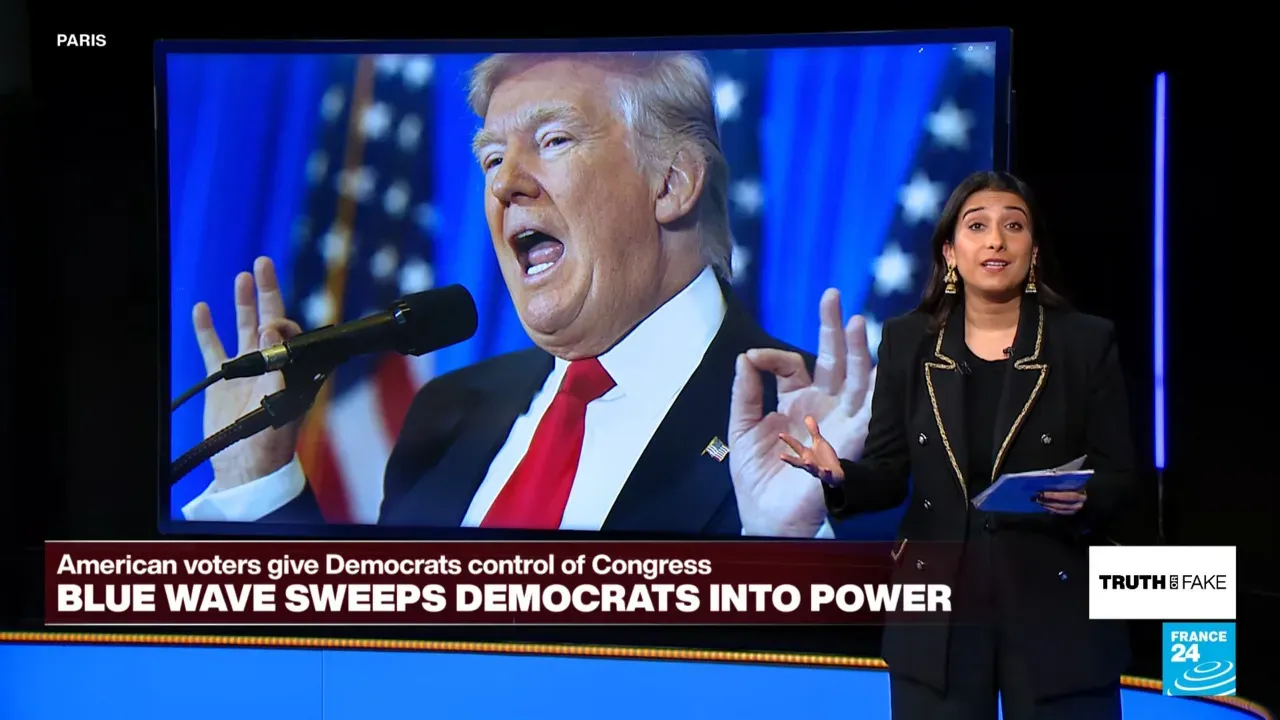
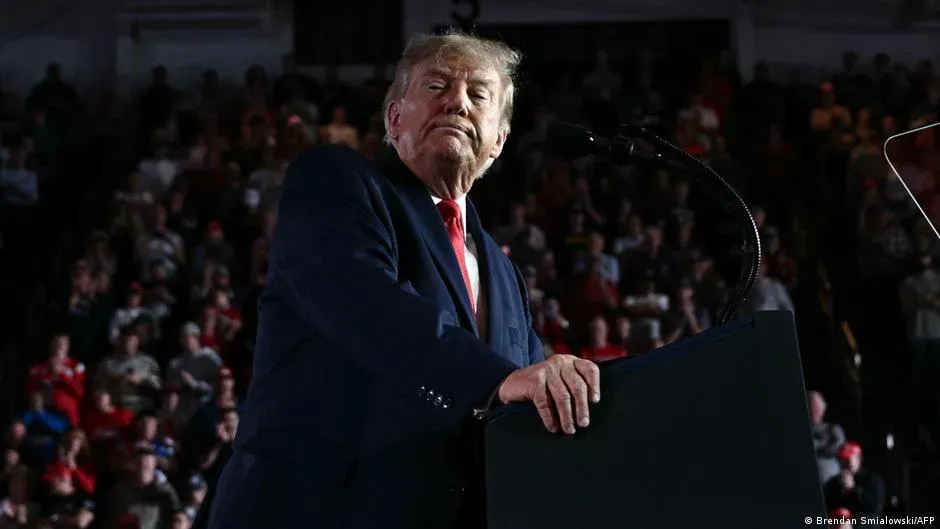
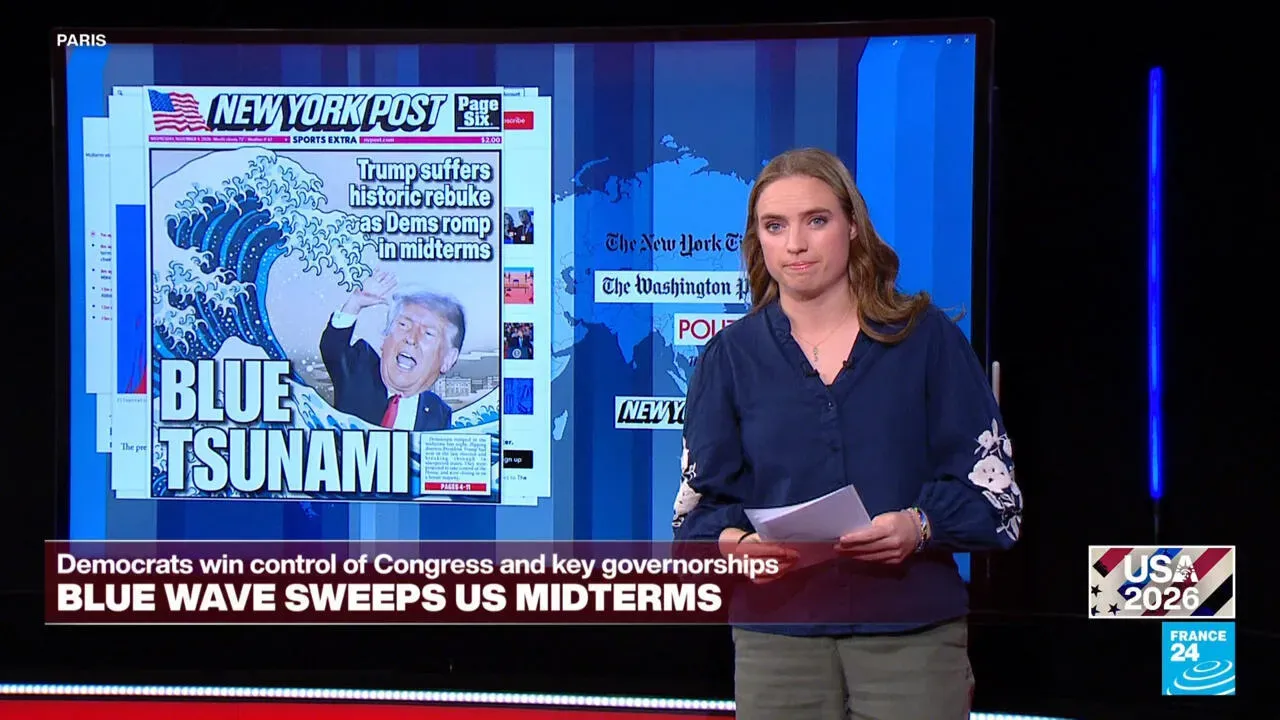
The outcome of the midterm elections in the United States has significant implications for Donald Trump's presidency, as his administration is set to face increased scrutiny from now until the end of his term.
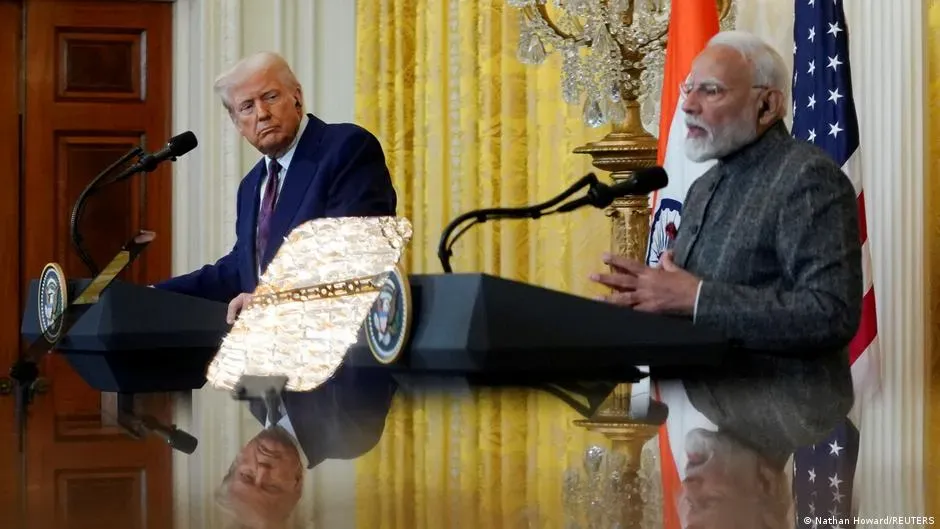
The outcome of the midterm elections in the United States has significant implications for Donald Trump's presidency, as his administration is set to face increased scrutiny from now until the end of his term.
Key areas where Trump's policies are likely to come under intense examination include foreign policy, where he has been accused of alienating many US allies and engaging in unpopular military interventions. His approach to international relations has been characterized by a confrontational style that has strained relationships with several countries.
The tensions between the United States and India are a notable example of this trend. The two nations have been at odds over a range of issues, including trade, immigration, and defense cooperation. One major point of contention is the stalled trade agreement, which has yet to be finalized despite discussions between Trump and Indian Prime Minister Narendra Modi.
The disagreements between Washington and New Delhi are not limited to high-profile areas such as tariffs and military cooperation. Other less prominent but still significant issues have also contributed to the strain in relations, including restrictions on immigration from India and US opposition to India's purchase of Russian oil and arms.
A key test of Trump's approach to India will be his ability to negotiate a trade agreement that meets the needs of both countries. The interim framework discussed by Trump and Modi in February remains unimplemented, with disagreements over market access and other trade commitments preventing a formal agreement from being reached.
Shanthie Mariet D'Souza, founder of the Mantraya Institute of Strategic Studies, believes that the new US Congress will scrutinize protectionist measures adopted during the Trump administration more closely.
D'Souza anticipates that lawmakers may push for enhanced trade oversight and clearer standards regarding environmental and labor issues. This could provide some relief to India, which relies heavily on exports to the US market.
The fundamental pillars of the India-US strategic partnership are likely to remain robust, with efforts to deepen economic ties continuing in the long term. D'Souza emphasizes that despite changes in government, this core aspect of bilateral relations is expected to endure.
The H-1B visa program has been a contentious issue for Indian professionals and tech companies reliant on it to secure US jobs. The Trump administration's introduction of a $100,000 payment requirement for new petitions has raised concerns among those affected by the rule.
Immigration lawyer Rajkrishna Iyer notes that both parties have more pressing issues to address, and that Congress has historically been inactive on immigration reform over the past quarter century.
The midterms' outcome may signal a shift in US immigration policies under President Trump's administration.
Immigration lawyer Rajkrishna Iyer believes that the loss could prompt a reevaluation of Trump's stance on legal immigration, which he sees as not being a major priority for voters.
A key aspect of this is the new fee imposed on some H-1B applications, which Iyer predicts will face court challenges.
The steep increase in fees may deter people from pursuing legal immigration, and Iyer argues that only Congress has the authority to pass such legislation.
A change in power dynamics in Washington could also have implications for US-India relations, particularly regarding India's energy purchases from Russia.
The loss of Republican control in Congress could have significant implications for strained US-India relations, particularly when it comes to energy imports from Russia. This is because a change in power dynamics in Washington may lead to a shift in policy priorities.
One area where this may be seen is in the administration's stance on Russian oil exports. While it appears likely that the new government will continue to prioritize reducing dependence on Moscow, there are concerns about how they will approach this issue with diplomatic caution to avoid straining relations with New Delhi.
The ongoing conflict in Iran adds another layer of complexity to the situation. Any escalation could impact energy exports from the Middle East and make India more vulnerable due to its reliance on high oil imports. This vulnerability is a major concern for both countries, as it could have significant economic implications.
Former Indian ambassador to the US and Israel Navtej Sarna has cautioned against making assumptions about how Trump's loss will affect US policy in the Middle East. He suggests that much will depend on how Trump reacts to the election results and whether he becomes more isolated or more inclined to compromise with Congress.
The loss of control in Congress will likely have far-reaching implications for the United States' relationships with its international partners, including India.
A weakened president may be more inclined to seek compromises on domestic issues, but this could also lead to a harder line being taken elsewhere, particularly if Trump feels that his party's defeat was due to external factors.
The question remains whether the election will produce a more predictable Washington or a more confrontational Donald Trump, and how this will impact the delicate balance of power in the region.
India-US ties are already strained, with tensions rising over issues such as trade and security cooperation, and any significant policy changes by Washington could have far-reaching implications for New Delhi's relations with its largest trading partner.
The US president retains considerable leverage over foreign policy despite the Republican setback, and experts warn that a harder line being taken against India is still a possibility if Trump feels that Indians played a role in his party's defeat.
The impact of Trump's midterm elections loss on strained US-India ties remains uncertain. However, experts suggest that India may breathe a sigh of relief if the White House and Congress are less likely to clash over issues related to the country.
Despite this potential reprieve, India is being advised to reduce its dependence on any single partner due to past experiences, including the ongoing tensions with the US. This diversification strategy aims to ensure self-reliance in critical sectors and alternative supply chains, which remains a priority regardless of the US midterms outcome.
Facts based on reporting originally published by DW English.
You may republish this story, in full or in part, if you credit News Central Site and link to it (licence CC BY 4.0). Photos are not included.