US midterm elections do not signal shift in Washington's policy towards Iran
Iran's leaders have reacted cautiously to the outcome of the US midterm elections, downplaying their significance in shaping Washington's policy towards Tehran.
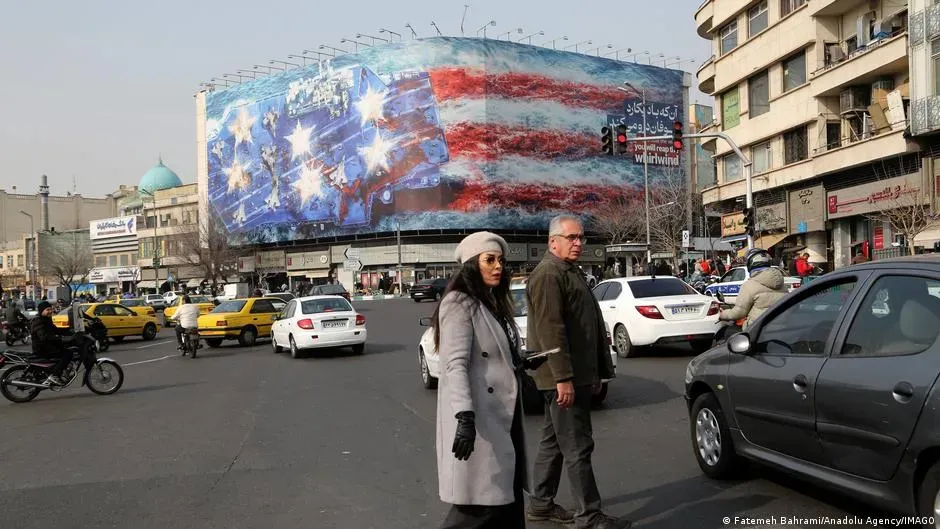
Iran's leaders have reacted cautiously to the outcome of the US midterm elections, downplaying their significance in shaping Washington's policy towards Tehran.
The country's Supreme Leader, Mojtaba Khamenei, dismissed any notion that the shift in power from Republicans to Democrats would lead to a change in America's stance on Iran. In a statement issued after the vote, he emphasized that concessions or changes within the US political system would not be enough to alter Washington's hostile approach towards the Islamic Republic.
Khamenei also warned of a more forceful response if the US were to launch any future military action against Iran, underscoring the tensions between the two countries. This warning comes after months of intense military confrontation, which had significant implications for global energy markets and raised concerns about a wider regional conflict.
The elections took place amidst ongoing tensions between Tehran and Washington, with the outcome unlikely to have an immediate impact on Iran's calculations. According to Iranian journalist Mohammad Sadegh Javadi Hesar, who is also a member of the reformist party Etemad-e Melli, the shift in power will not lead to any changes in Iran's stance.
Javadi Hesar noted that decisions about ending the conflict would ultimately be made in Washington, while Tehran continues to insist on its previous demands for peace. These demands include an end to hostilities and a lifting of the US naval blockade, which have been key issues in the conflict between the two countries.
Iranian politicians and media outlets have been analyzing the outcome of the recent US midterm elections, drawing different conclusions about what it means for their country's conflict with Washington.
Some Iranian officials appear to be interpreting the results as a victory, suggesting that American voters have rejected further military action against Iran. Parliament Speaker Mohammad Bagher Ghalibaf stated on social media platform X that the election outcome was a direct response from US citizens to the ongoing tensions between the two nations.
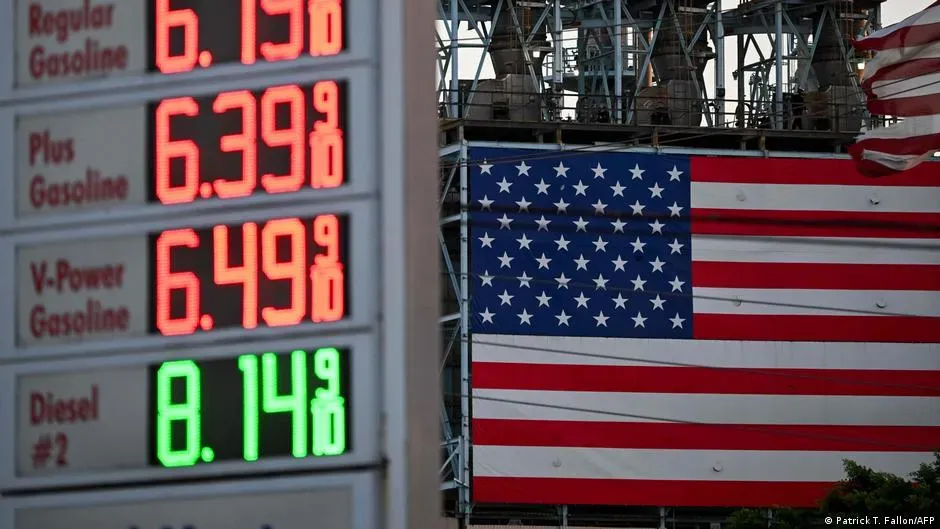
The rising cost of living in the United States also played a significant role in the Republican Party's loss, according to Ghalibaf, who acknowledged this factor in his assessment of the election results.
US Vice President JD Vance had previously attributed the Republicans' defeat to the Iran war, prompting a sarcastic response from Ghalibaf. He mocked Vance by suggesting that he should have communicated this message more clearly to his superiors.
Mohsen Rezaei, secretary of Iran's Supreme National Security Council, has also weighed in on the election outcome, describing it as a significant blow to US interests in Washington.
The US military's failed hostage rescue mission in 1980 remains a notable incident in Iran-US relations. The operation involved eight helicopters and six transport planes that were supposed to meet up in the Iranian desert before heading to Tehran to free the hostages.
However, the aircraft encountered severe weather conditions, including a sandstorm, which led to a fatal crash between one of the helicopters and a C-130 transport plane. The incident resulted in the loss of eight American lives, serving as a stark reminder of the risks involved in military interventions.
The failed mission was seen by Iran as a demonstration of the limits of US military power when dealing with the country. This perception was later reinforced by President Jimmy Carter's electoral defeat to Ronald Reagan in 1980.
Reagan took office in January 1981, and just minutes after his inauguration, Iran released the hostages that had been held captive for over a year.
Not everyone in Tehran is convinced of the significance of the US midterm election outcome, however. Hardline media outlets have dismissed the broader implications of the vote, arguing that both Republican and Democratic parties pursue similar goals towards Iran despite their differences in rhetoric.
The Iranian government has expressed satisfaction over the outcome of the US midterm elections, but also harbors skepticism about the potential implications for their relations.
According to an expert in international relations, who served in the diplomatic corps of the Islamic Republic for 22 years before resigning in protest of the 2009 post-election crackdown, a major military escalation by the USA against Iran is unlikely. The analyst notes that while both Republican and Democratic parties have been critical of Iran, there are significant differences in their approach.
The expert points out that the Democrats opted for a diplomatic agreement with Tehran, known as the 2015 nuclear deal, which placed Iranian nuclear activities under the oversight of the International Atomic Energy Agency (IAEA). He notes that this approach was preferred by the US allies, and that they were not in favor of attacking Iran.
Facts based on reporting originally published by DW English.
You may republish this story, in full or in part, if you credit News Central Site and link to it (licence CC BY 4.0). Photos are not included.