The cast and crew continue filming late into the night for a highly anticipated episode
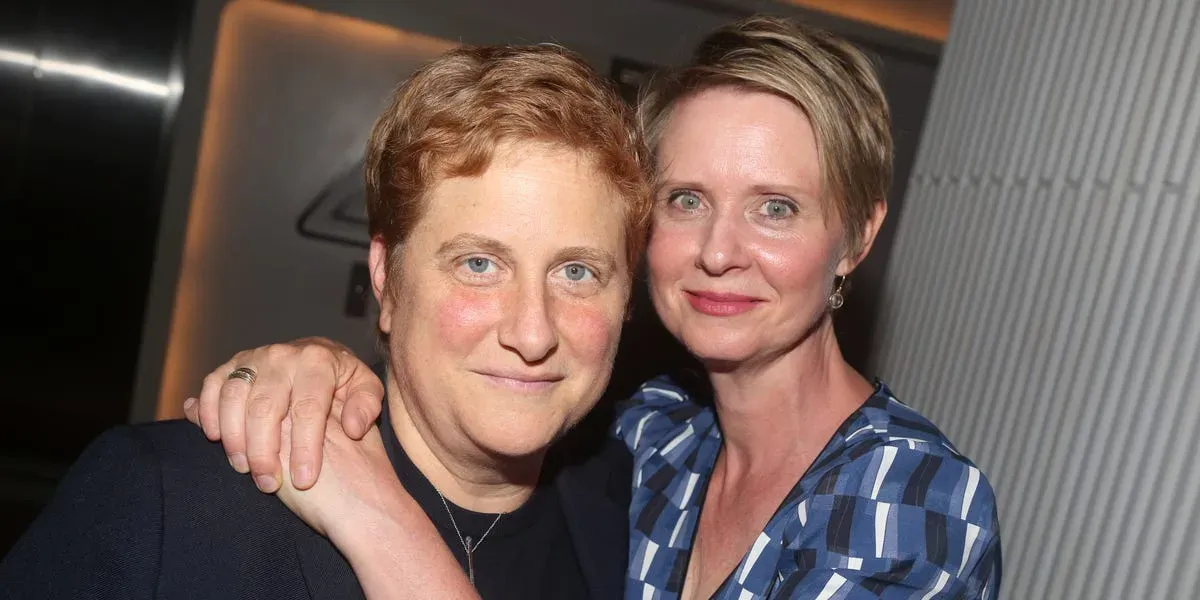
Filming is taking place on set with Cynthia Nixon, Audra McDonald, and John Douglas Thompson in period costumes.
It's a sweltering day on set as filming for the highly anticipated episode continues far into the night, with no end in sight to the long hours of work ahead for the cast and crew.
As I make my way through the crowded church hallway, I catch glimpses of Cynthia Nixon, Audra McDonald, and John Douglas Thompson chatting and laughing together in their elaborate period costumes, exchanging playful jabs that are clearly well-practiced by now.
The excitement on set is palpable, fueled by the knowledge that today's episode will feature a long-awaited wedding between Peggy and Dr. William Kirkland, as well as the dramatic news from Game 4 of the Knicks' historic NBA run - which is sure to dominate conversations for hours to come.
Just as I'm about to leave the set, Cynthia Nixon posts a lively video on her reel featuring the cast's reactions to the Knicks' win, dressed in their finest Gilded Age attire and still basking in the thrill of victory.
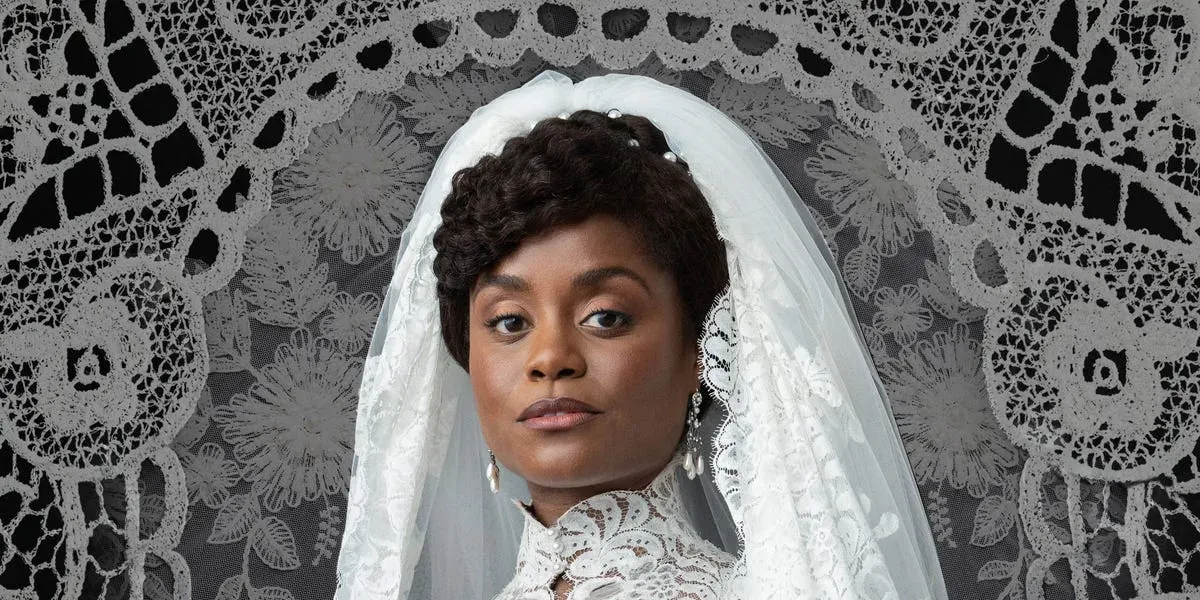
As the cameras roll, everyone gathers around to witness the magic of Brenton in her exquisite wedding gown, its intricate white lace and corseted design a perfect reflection of Peggy's elegance and poise - even amidst all the chaos and celebration surrounding her.
The Black elite's influence on American society is a fascinating topic that has been largely absent from television until now.
Their history, as documented in books such as Our Kind of People, reveals a complex and intriguing narrative that spans centuries.
This understudied group emerged during Reconstruction and went on to dominate Black politics and culture, leaving an indelible mark on the country's social fabric.
The period known as the Gilded Age, which spanned from the 1870s to the 1890s, was particularly notable for its fashion excitement, according to Walicka Maimone.
To capture this essence, the production team had to balance historical accuracy with modern audience appeal, a challenging task that required careful consideration of what elements to highlight and how to present them in an engaging way.
Historical research revealed numerous details about the era's fashion trends, which were then incorporated into the show's design and execution at breakneck speed.
In the absence of any depiction on screen or stage of luxury Black weddings from the 1800s, it is clear that such events have been overlooked in popular media.
Peggy Scott's character is significant because she represents a child born into freedom and citizenship after the Reconstruction era, a time when her father Arthur experienced enslavement firsthand.
The thrill of watching Peggy on screen lies in witnessing a character who challenges societal norms by embracing her individuality and pushing against traditional expectations of what it means to be a Black woman in a period of rapid social change.
Marriage for the Gilded Age generation of Black people was not just a union between two individuals, but also a powerful statement of agency and a declaration of their humanity.
The act of forming Black families and having those relationships legally recognized was seen as a radical assertion of freedom after the brutal legacy of slavery.
The inclusion of broom-jumping ceremonies in The Gilded Age's wedding episode was a deliberate choice by the writers and producers, who wanted to acknowledge the historical significance of this tradition among enslaved people.
However, one team member had reservations about including this practice in the show. "I immediately was like, but that’s not really happening in the 1880s," Armstrong Dunbar explained, highlighting the anachronism of a ceremony that was popularized centuries later.
The decision to include broom-jumping ceremonies in the wedding episode was influenced by the fact that many of the producers had participated in similar ceremonies themselves. This personal connection added depth and authenticity to the storyline, making it more relatable for viewers.
In one pivotal scene, Peggy's father, Arthur, hands his daughter a broom he used in his own wedding ceremony, symbolizing the family's history and their journey towards freedom. "It really encapsulated the way in which people try to meld traditions when they’re bringing their families together," producer Davita Scarlett said of this poignant moment.
Director Richardson-Whitfield took charge of Peggy's wedding scene, insisting that she be the one to helm the project. The decision was likely influenced by her desire to infuse the episode with authenticity and nuance.
The inclusion of a gospel choir in the wedding ceremony was a deliberate choice, aimed at showcasing the rich musical heritage of African American communities. Richardson-Whitfield opted for an a cappella performance, allowing the singers' voices to take center stage without the accompaniment of instruments.
This approach not only highlighted the beauty of Black voices but also subtly subverted societal norms of the time. In the 1880s, many upper-class Black individuals would have frowned upon such a traditional African American musical style being performed in a church setting.
The tension between tradition and innovation created an opportunity for the show to explore the complexities of identity and community within the African American experience during this period. Richardson-Whitfield's commitment to nuance and authenticity has helped to build a diverse and inclusive fan base for the series.
The show's exploration of marginalized communities extends beyond its portrayal of African Americans, acknowledging the historical existence of different groups and their experiences. This nuanced approach has allowed the series to transcend traditional boundaries, appealing to a broad audience with varying backgrounds and interests.
The nuance of Peggy Scott's wedding dress lies in its ability to transcend traditional boundaries, appealing to a diverse audience with varying backgrounds and interests.
Ryan explains that this is exactly what they aimed for in creating The Gilded Age series: That's one of the two powers of history work for me... One is seeing 'Oh, things actually were really different back then.' And I think that's liberatory. By shedding light on a bygone era, the show sparks excitement and curiosity among viewers.
The series' impact extends beyond entertainment, as evident in its popularity among diverse groups. Brenton notes, "As an artist, you can't really ask for more than to do something that is popular and meaningful at the same time."
Facts based on reporting originally published by Harper's Bazaar.
You may republish this story, in full or in part, if you credit News Central Site and link to it (licence CC BY 4.0). Photos are not included.