Japanese Cooking Staple Mirin Explained
Mirin is a sweet rice wine used in Japanese cooking to add depth and richness to various dishes.
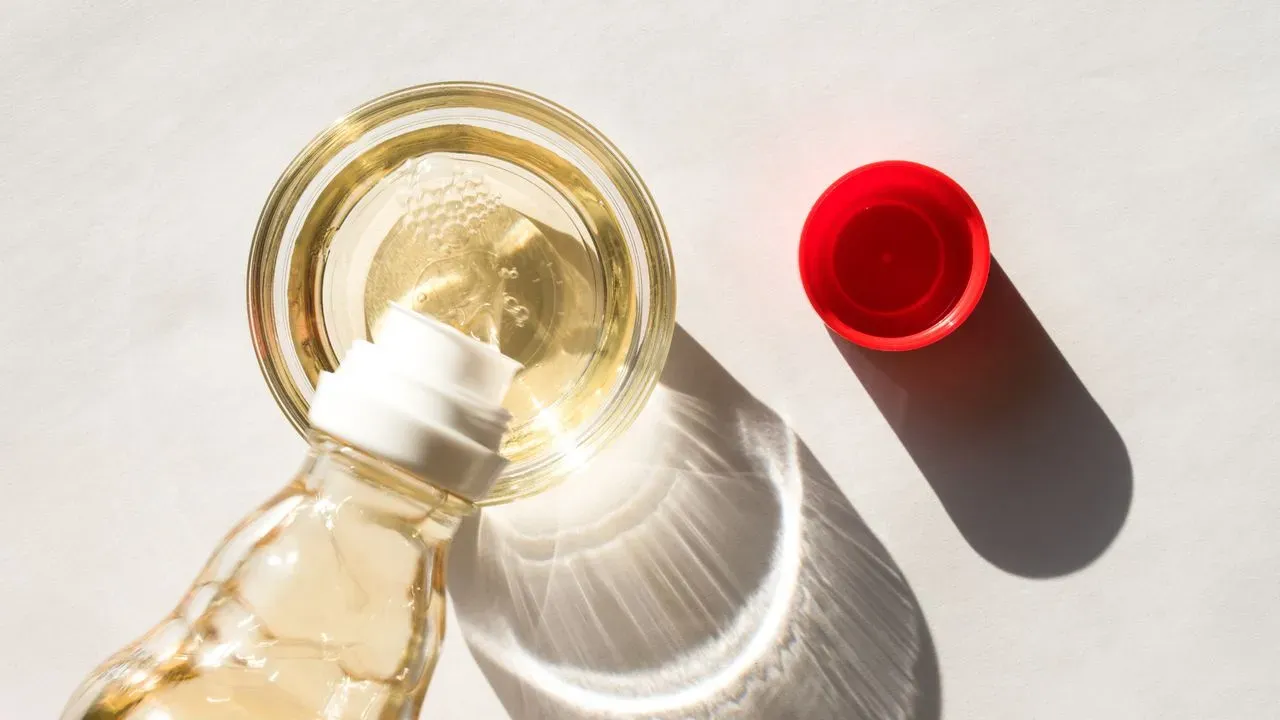
A staple in Japanese cooking, mirin is a sweet rice wine used to add depth and richness to various dishes.
Alongside other essential ingredients like miso, soy sauce, dashi, and rice vinegar, mirin brings a unique flavor profile that elevates the taste of stocks, stews, marinades, and sauces. Its glossy sheen also makes it an ideal component for glazed dishes such as teriyaki. When used in cooking, mirin imparts a subtle sweetness with undertones of umami.
However, not all types of mirin are created equal, and what is available at local supermarkets may differ from the authentic product described by experts. Sonoko Sakai, author of Japanese Home Cooking, prefers to call this distinct flavor profile "koku, highlighting its nuanced character. While some brands claim to offer high-quality mirin, these products often fall short of delivering the true essence of koku.
The key difference between traditional and commercial mirin lies in its production process and ingredients. Hon mirin, or true mirin, is made from just three components: glutinous rice, koji, and shochu, a Japanese distilled spirit. This unique combination allows for the natural breakdown of starches into simple sugars during fermentation, resulting in a distinctive sweetness without added sugar.
The unique properties of mirin make it an essential ingredient in many Japanese dishes. Its low glycemic index means that it does not cause a sudden spike in blood sugar levels, making it a popular choice for those monitoring their carbohydrate intake.
Mirin's alcohol content also sets it apart from other sweeteners. With an ABV around 14%, it is comparable to some sakes and grape-based wines, although it is not typically consumed as a beverage.
The presence of alcohol in mirin has several benefits when used in cooking. Alcohol denatures proteins, explains Shimbo, resulting in food that is tender, juicy, and rich with umami sweetness.
Aji-mirin, a commonly available alternative to traditional mirin, is often made with glucose or corn syrup, water, rice, salt, and alcohol. While it may be inexpensive and widely available, both Shimbo and Sakai prefer not to use it due to its less nuanced flavor and more intense sweetness.
Aji-mirin's lower alcohol content can impact its performance in cooking, according to experts.
However, if aji-mirin is all that's available at the store, it won't ruin the dish, despite its limitations.
Food Lab author Kenji López-Alt acknowledges that aji-mirin lacks the depth of flavor found in naturally brewed mirin.
He attributes this difference to natural fermentation processes that create byproducts contributing to hon mirin's distinctive aroma.
Mirin and sake are both rice wines used in Japanese cooking, but they differ significantly in terms of sweetness.
The characteristics of mirin set it apart from other rice derivatives like rice vinegar. While both are made from fermented rice, they have distinct flavor profiles. Mirin is known for its sweetness and umami undertones, which make it a versatile ingredient in Japanese cooking.
In contrast, rice vinegar is acidic and tart, with minimal natural sweetness. This acidity makes it better suited to dishes that require a tangy flavor, rather than mirin's rounded sweetness. Attempting to substitute rice vinegar mixed with sugar for mirin would result in an overly acidic flavor profile.
According to experts, the best way to substitute mirin is by combining sake with a sweetener. The shared characteristics of these two wines make them a closer match than other alternatives. However, the resulting mixture won't have the same complexity as high-quality mirin.
When choosing a sake for substitution, it's recommended to use a clear sake, also known as seishu. Avoid cooking sakes that may contain added salt, which can throw off the seasoning of your dish. A general ratio for combining sake and sweetener is two parts sake to one part sugar by volume, although some prefer alternative sweeteners like brown rice syrup or maple syrup.
When substituting sake or aji-mirin in recipes, some alternatives can be used as a last resort. Dry white wine mixed with a sweetener is one option, but it's not an exact substitute and brings a distinct flavor that can alter the dish significantly.
Experts note that dry white wine is closer to mirin than sherry, but its unique taste can still change the character of the finished product. This is especially relevant in recipes where both sake and mirin are called for, as substituting one ingredient may not be enough.
For those seeking an alcohol-free alternative, none of the experts had a strong recommendation. Some mirin-style seasonings may contain less or no alcohol, but these products are not interchangeable with hon mirin or other types of mirin in every recipe.
When choosing a mirin substitute, it's essential to check the label carefully, as some products may contain alcohol despite being labeled as mirin-style." Cooking can reduce the alcohol content, but relying on cooking time alone is not a reliable method for ensuring all the alcohol evaporates.
When storing mirin or aji-mirin, it's crucial to keep them tightly sealed and away from direct sunlight in a cool place. This helps prevent the sugars from crystallizing, which can affect the flavor and texture of the seasoning.
Storage instructions may vary depending on the product, so it's essential to check the label after opening for specific guidance. Some products may require refrigeration, while others should be stored at room temperature.
Mirin is a versatile ingredient that can be used in various dishes, from quick-cooking stir-fries and marinades to slow braises and soups. Its delicate sweetness pairs well with fish and tofu, making it an excellent addition to brothy steamed bass or miso-turmeric dressing.
Facts based on reporting originally published by Bon Appetit.
You may republish this story, in full or in part, if you credit News Central Site and link to it (licence CC BY 4.0). Photos are not included.