Abdul El-Sayed Cooks Up Support in Detroit
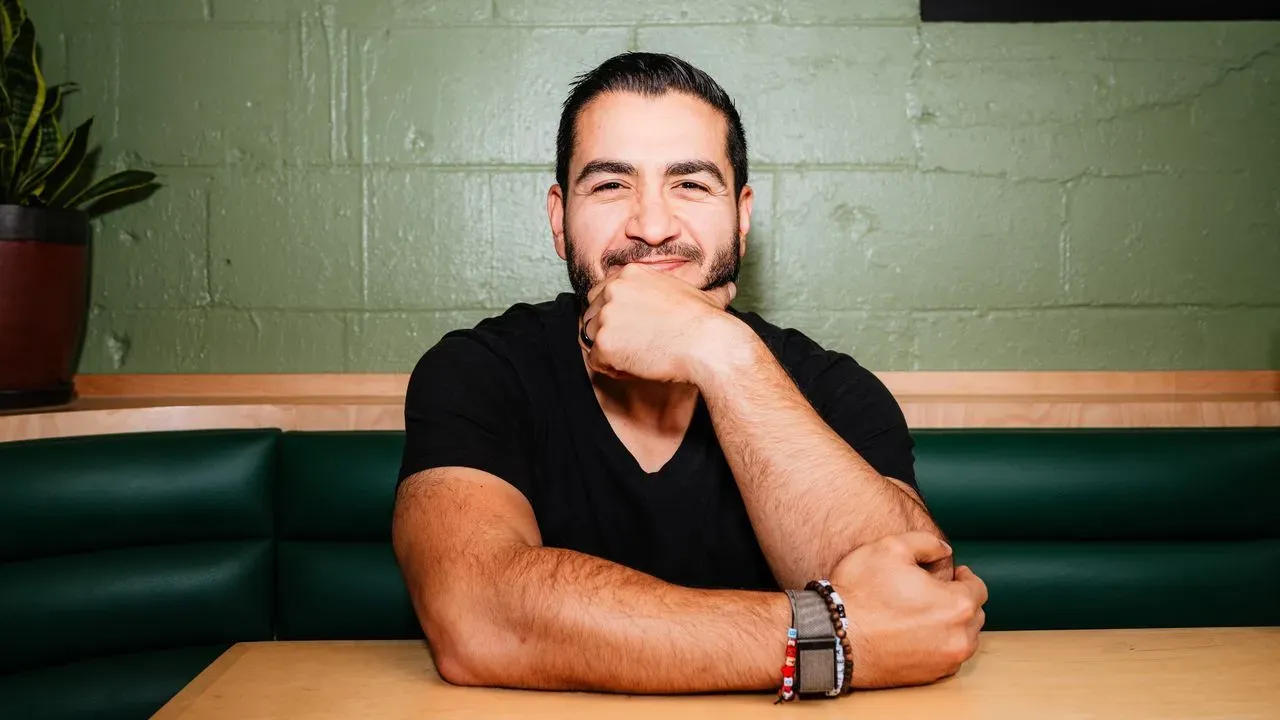
Michigan US Senate candidate Abdul El-Sayed recently appeared in a TikTok video cooking beef shawarma with Summer Homayed.
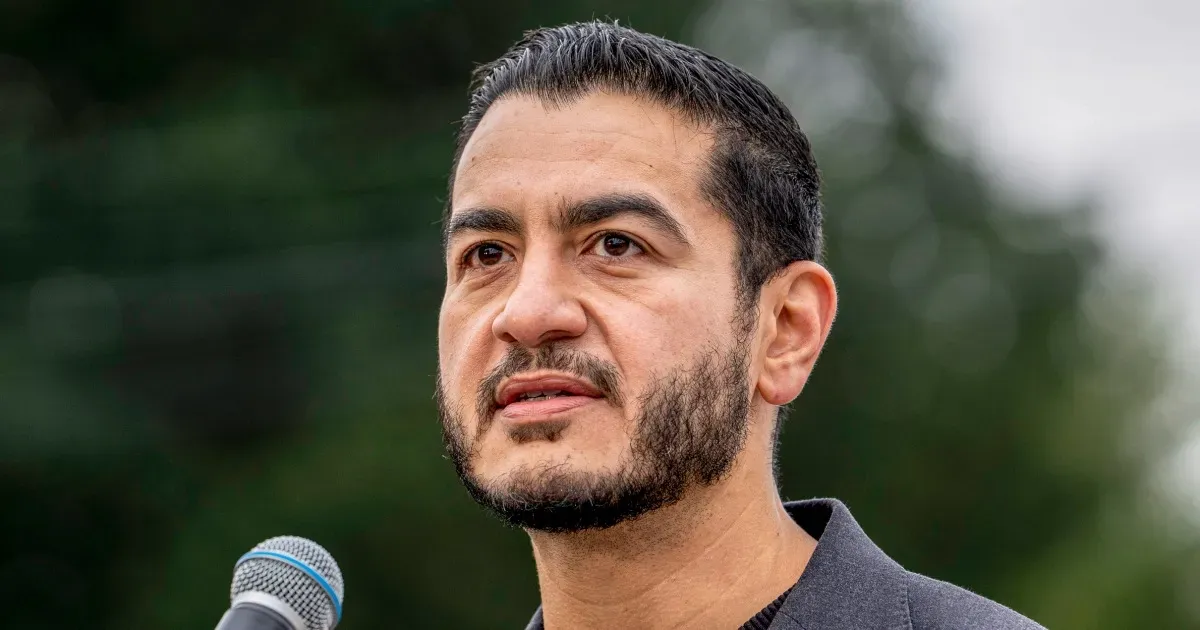
Michigan US Senate candidate Abdul El-Sayed is in the final stretch of his campaign, focusing on issues that resonate deeply with voters in Detroit and beyond.
In a recent cooking video published on TikTok, El-Sayed teamed up with Lebanese American food creator Summer Homayed to prepare beef shawarma, a beloved dish in metro Detroit's Arab food scene. The video offers a glimpse into the candidate's personal side, showcasing his culinary skills and willingness to engage with voters in an informal setting.
As they cooked together, Homayed posed questions about El-Sayed's background and policies, but the candidate chose to respond with comments related to food and politics rather than direct answers. For instance, when asked about the cost of steak, El-Sayed noted that it was purchased without corporate funding, mirroring his campaign's commitment to transparency.
The video has sparked attention, particularly regarding claims made by El-Sayed's Republican opponent, former congressman Mike Rogers, who has sought to cast doubt on El-Sayed's Muslim identity. Independent fact-checkers have disputed these allegations, but the issue remains a point of contention in the campaign.
El-Sayed's focus on bread-and-butter issues such as getting money out of politics and implementing Medicare for All is evident in his approach to the video, highlighting his commitment to addressing the needs of ordinary people rather than catering to special interests.
Abdul El-Sayed's background and upbringing have significantly influenced his perspective on food culture in America. Born to Egyptian immigrants, he was raised in suburban Detroit by his father and stepmother, a white woman from Michigan.
Growing up, El-Sayed was exposed to diverse culinary traditions through his family's cooking. His father would often make ful medames, an Egyptian fava bean dish, for breakfast, while his stepmother prepared meatloaf for dinner. This blend of Middle Eastern and American cuisine has had a lasting impact on his relationship with food.
When asked about meeting over a meal, El-Sayed proposed four options that showcase the rich culinary landscape of Michigan. He recommended Ricewood, a barbecue joint near his home, which serves an exceptional burger as part of its Friday and Saturday special menu.
The burgers at Ricewood are particularly notable for their quality, with El-Sayed declaring it one of the best he has ever had. He also suggested Dearborn Meat Market, a butcher shop that offers mouth-watering kebabs grilled to perfection in the back.
The joy of eating ice cream on a summer day is a childhood memory that Abdul El-Sayed cherishes, reminiscent of carefree days spent outdoors.
He recalls taking his kids to enjoy Midwestern-style ice cream, a treat that brings back fond memories for him and his family.
As a child, El-Sayed's favorite activity was visiting the Eastern Market in Detroit with his family to pick up groceries, where they would sample cheeses at the counter before selecting one to take home.
His parents' cooking was a big part of their family life, with Saturday afternoons reserved for preparing meals together, often featuring traditional Midwest dishes like meatloaf and tuna noodle casserole.
Mealtimes were also an opportunity for El-Sayed's mother to express her love through food, which he believes is a universal language that transcends cultural boundaries.
The landscape of food options has undergone significant changes since El-Sayed's childhood. Gone are the days when a straight-up burger was a rare treat due to limited halal dining options. Today, it is possible to find a variety of cuisines catering to diverse tastes.
This shift in culinary diversity reflects the cultural melting pot that Michigan represents. The state's history and culture have long been about bringing people together from different backgrounds, fostering an atmosphere where traditions can be shared and appreciated. This blending of cultures has given rise to innovative fusion restaurants like Warda Patisserie.
Food plays a crucial role in communication and community building. When we share meals, we are also sharing our history, culture, and values with one another. This aspect is particularly relevant for politicians who aim to connect with their constituents on a deeper level. By using food as a tool for communication, leaders can facilitate discussions about shared values and aspirations.
El-Sayed's campaign has highlighted the issue of affordability in grocery shopping, which affects many Michiganders struggling to make ends meet. He identifies two primary causes of high grocery prices: the ongoing conflict in Iran and the imposition of tariffs on imported goods.
The cost of diesel fuel has reached an all-time high due to ongoing conflict in Iran, which affects transportation costs across the globe. Many items found on grocery store shelves are shipped by truck, and their movement requires large quantities of diesel. This increased expense is being passed on to consumers.
Local farmers rely heavily on potash fertilizer for crop growth, but a significant portion of this essential input comes from Canada. However, with tariffs now imposed on Canadian imports, the supply chain is experiencing disruptions that impact prices. The availability and affordability of this crucial agricultural resource are thus compromised.
The US food market is dominated by a small number of large corporations. This concentration of power allows these companies to exert control over prices paid to farmers and those charged at the retail level. Eighty-five percent of meat in the country comes from just four major meatpackers, who can manipulate markets to their advantage.
In addition to market manipulation, local agriculture faces numerous challenges. Small businesses and restaurants struggle to remain profitable due to rising input costs, making it increasingly difficult for them to operate sustainably. This is particularly concerning as more individuals turn to freelance or contract work, which can complicate the process of documenting income and employment.
As a result, many people are finding themselves unable to afford basic necessities, including food. Even those who have experienced job loss, such as journalists, may be forced to rely on government assistance programs like SNAP to meet their needs.
Ensuring workers can access safety nets when needed is a pressing concern in today's society.
Abdul El-Sayed emphasizes that current systems are flawed, prioritizing restrictions over universal programs that benefit everyone. He suggests that Medicare for All would simplify the process of accessing healthcare by eliminating paperwork and bureaucratic hurdles. This approach would allow people to focus on their well-being rather than navigating complex administrative tasks.
The issue is further complicated by increased work requirements in Medicaid and SNAP programs. These changes are set to take effect next year, placing a greater burden on those struggling to make ends meet. El-Sayed argues that a broader safety net is needed, encompassing essential services like childcare, education, and healthcare.
By shifting the focus towards building a more comprehensive support system, we can reduce waste, fraud, and abuse associated with restrictive programs. This approach would enable individuals to access the resources they need without unnecessary obstacles, ultimately benefiting society as a whole.
Facts based on reporting originally published by Bon Appetit.
You may republish this story, in full or in part, if you credit News Central Site and link to it (licence CC BY 4.0). Photos are not included.