Greenhouse Gas Levels Reach Record Highs in 2025
The World Meteorological Organization has confirmed that greenhouse gas emissions are causing long-term temperature increases globally.
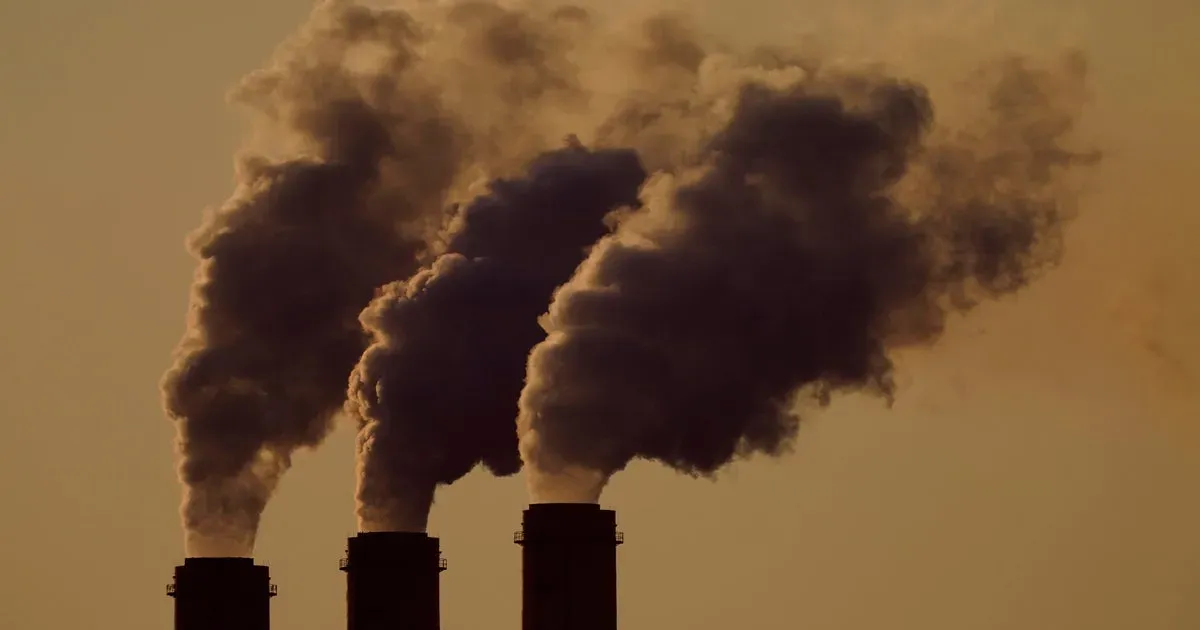
Greenhouse gas levels have reached record highs in 2025, according to a recent announcement by the United Nations. This marks the latest instance of rising atmospheric concentrations of these gases, which will have far-reaching consequences for the planet.
The World Meteorological Organization has confirmed that greenhouse gas emissions are causing long-term temperature increases globally. The organization's analysis indicates that this trend will persist for centuries, with significant implications for global climate patterns and ecosystems.
The record-breaking levels were announced ahead of a major UN climate summit in Antalya, Turkey, which takes place from November 9 to 20.
The latest data from the World Meteorological Organization (WMO) reveals that concentrations of three major greenhouse gases have reached record-breaking levels in 2025.
According to WMO records, carbon dioxide (CO2), methane, and nitrous oxide have surpassed previous highs, with CO2 levels standing at around 1 parts per billion above pre-industrial levels. This means these gases are now present in the atmosphere at 153%, 267%, and 126% of their levels before 1750.
Carbon dioxide accounts for approximately two-thirds of the warming effect on the climate, making it a key contributor to global temperature rises. Interestingly, about half of the total CO2 emitted each year remains in the atmosphere, with the rest being absorbed by land and oceans.
WMO senior scientific officer Oksana Tarasova notes that these high levels are partly due to the recovery of land carbon sinks after the strong 2023/2024 El Nino. However, she warns that concentrations are expected to increase further in 2026 due to continued fossil fuel burning and a developing powerful El Nino.
Methane emissions are a significant contributor to greenhouse gas levels, with about one-third coming from natural sources like wetlands and the remaining two-thirds from human activities such as cattle farming, rice cultivation, landfills, and biomass burning.
The increase in global greenhouse gas levels is also attributed to rising concentrations of molecular hydrogen (H2) and sulfur hexafluoride (SF6), which are linked to electricity production and distribution. SF6 has been steadily increasing over the past three decades due to its use as a spark suppressant in power grids, while H2 has seen an uptick in recent years as it gains traction as an energy storage medium.
Facts based on reporting originally published by CBS News World.
You may republish this story, in full or in part, if you credit News Central Site and link to it (licence CC BY 4.0). Photos are not included.