Benjamin Netanyahu Faces Tight Election Contest
Israelis will head to the polls on Tuesday in what promises to be a closely contested election, one that has been shaped by the devastating October 7 attack carried out by Hamas and three...
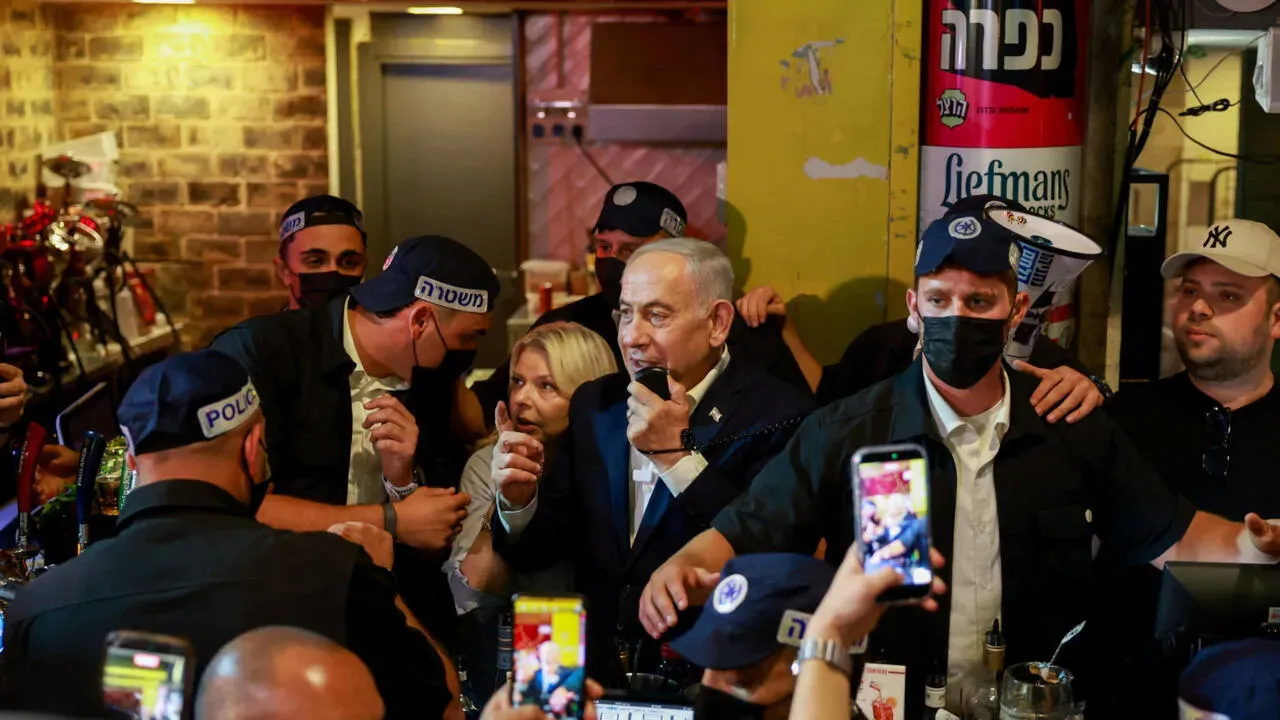
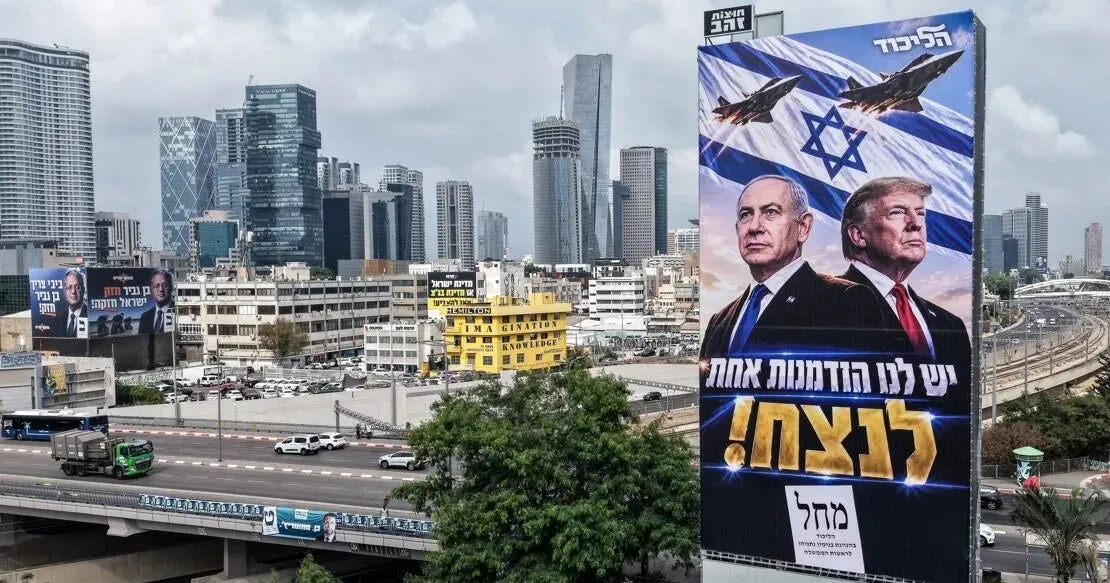
Israelis will head to the polls on Tuesday in what promises to be a closely contested election, one that has been shaped by the devastating October 7 attack carried out by Hamas and three years of regional wars. The vote is seen as a referendum on Prime Minister Benjamin Netanyahu's leadership, with many wondering if he can still command the confidence of the nation.
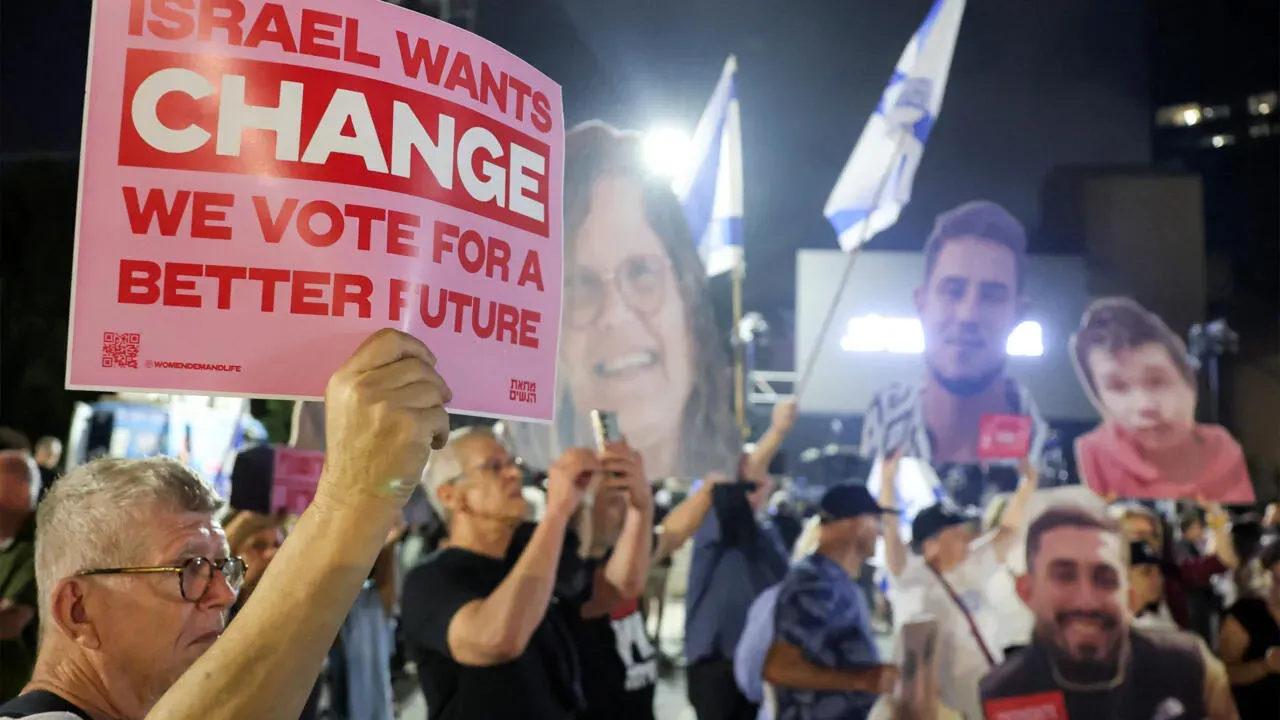
The election comes at a time when Israel is deeply divided, with voters delivering their verdict on the country's rightward drift under Netanyahu's stewardship. The trauma of the recent wars and ongoing conflicts in Gaza, the West Bank, and other areas will likely be at the forefront of many minds as Israelis cast their ballots.
Regional tensions have driven Israel to the brink of isolation on the world stage, with concerns over accountability for past military campaigns and continued violence underpinning much of the campaign. The construction of new settlements in occupied territory has further strained relations with other nations, while domestic politics have been increasingly influenced by hard-right religious nationalism.
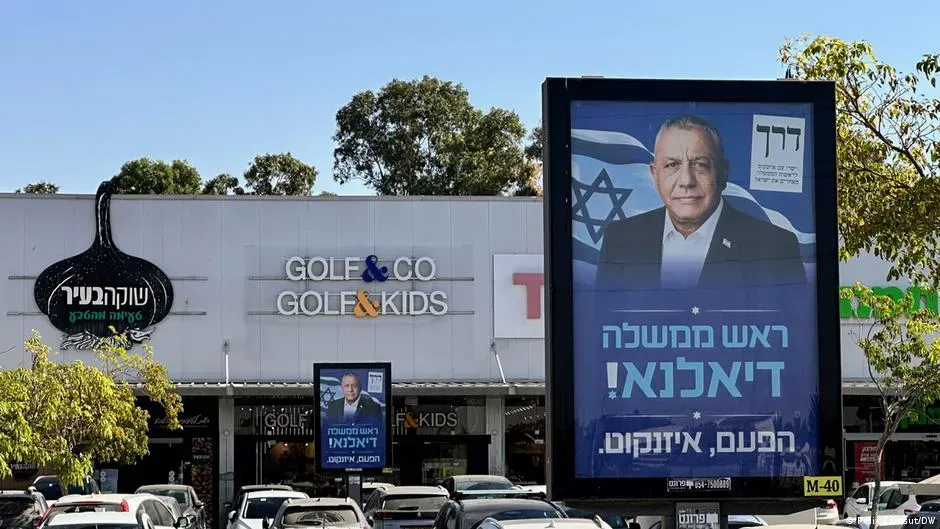
Netanyahu's long tenure as prime minister will be tested in this election, with polls suggesting a tight contest between him and his centrist rival Gadi Eisenkot, a former military chief. Eisenkot's relative calm and humility are seen as stark contrasts to Netanyahu's more assertive approach to leadership.
The stakes for Netanyahu are high, with the latest polls showing him running neck and neck with Eisenkot ahead of Tuesday's vote. The outcome will shape not just Israel's domestic politics but also its place in the world, with significant implications for regional stability and global relations.
More than seven million eligible voters are participating in Israel's election, including over half a million young people casting their ballots for the first time.
Polls indicate that this demographic overwhelmingly identifies as centre-right or right-wing, suggesting they may be swayed by the security-focused campaign of incumbent Prime Minister Benjamin Netanyahu.
Tens of thousands of Israelis have flown back from abroad to exercise their voting rights in an election seen as pivotal to shaping Israel's future character.
Netanyahu, who has served as prime minister for over 19 years, is emphasizing his security credentials in his re-election bid, highlighting his relationship with the US and claiming he is uniquely positioned to safeguard Israeli citizens.
The Israeli election is taking place against a backdrop of ongoing conflict and rising tensions in the region. The country has been engaged in multiple wars since October 7, with Israeli forces reducing Gaza to rubble and occupying parts of southern Lebanon. This has led to retaliatory attacks from various groups, including Iran, Hamas, Hezbollah, and Yemen's Houthi rebels.
The bombardment has had a significant impact on Israelis at home, who have faced the threat of attack from these external forces. Many voters are likely to be influenced by these security concerns as they cast their ballots in the election. For some, Netanyahu's experience navigating difficult times is seen as an asset in this regard.
Zipporah Bennett, an 85-year-old retiree, believes that Netanyahu has the necessary experience and support from abroad to keep Israel safe. She points to his close relationship with the US government as a key factor in her decision to vote for him. This sentiment reflects the importance of security credentials in the election campaign.
The opposition has criticized Netanyahu's handling of the ultra-Orthodox parties within his coalition, particularly their efforts to maintain exemptions for religious Jewish students from military service. However, one of the most contentious issues is Netanyahu's refusal to take responsibility for the October 7 attack, which led to a significant loss of life and widespread destruction.
The opposition to Netanyahu's rule is led by an informal bloc of parties, including Yashar, which is headed by Eisenkot and spans a range from the right to the centre-left.
Eisenkot has made it clear that he opposes the creation of a Palestinian state and supports Israeli settlements, but also promises to crack down on violent settlers. This stance is likely to be a key factor in his campaign against Netanyahu. His party's platform appears to attract voters who are dissatisfied with Netanyahu's leadership.
The outcome of this election will not become clear for days, as the final results may take some time to emerge. With no single party expected to achieve a majority in parliament, negotiations to form a coalition government could be protracted and difficult.
Facts based on reporting originally published by France 24 English.
You may republish this story, in full or in part, if you credit News Central Site and link to it (licence CC BY 4.0). Photos are not included.