Wildlife Populations Decline 73% Since 1970
New data from the World Wildlife Fund's Living Planet Index shows a significant decline in global wildlife populations over the past five decades.
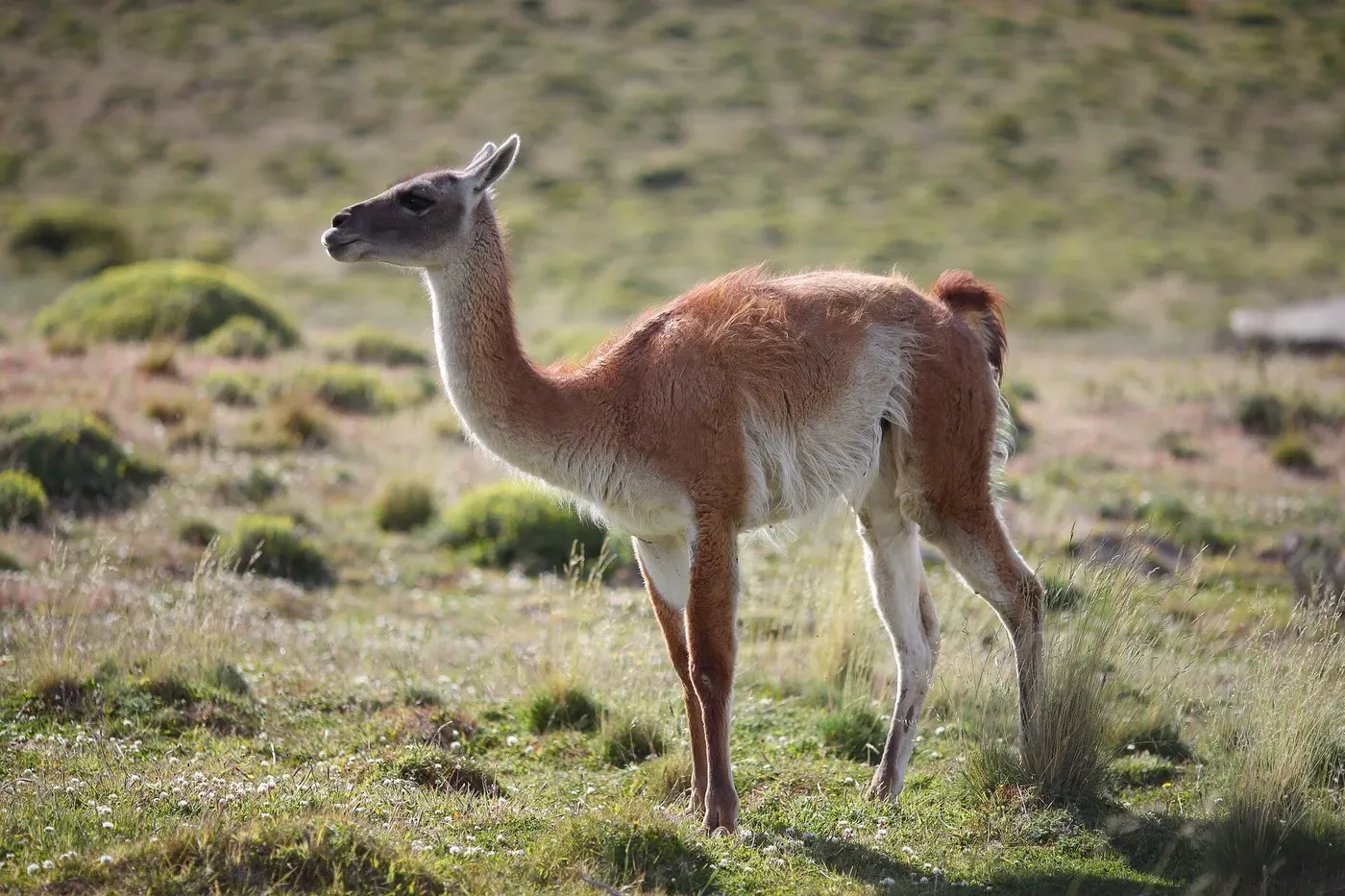
Wildlife populations around the world have seen a dramatic decline of 73% since 1970, according to new data from the World Wildlife Fund's Living Planet Index. This comprehensive estimate, updated every two years, paints a dire picture of the state of nature on our planet.
The index is a crucial tool for tracking progress toward the United Nations' biodiversity goals and informing global narratives about biodiversity loss. However, despite its importance, the data behind this alarming headline are still woefully incomplete.
Wildlife monitoring is an extremely resource-intensive task that cannot be done from space. Systematic monitoring of animal populations is patchy at best, leaving a significant gap in our understanding of the world's biodiversity. This lack of comprehensive data makes it challenging to accurately assess the scope of biodiversity loss.
The disparity between climate change and biodiversity tracking is striking. While we have thousands of weather stations and atmospheric CO₂ measurements at our disposal to monitor climate change, wildlife populations remain poorly understood due to the difficulties in monitoring them.
The lack of comprehensive data on wildlife populations is a significant challenge in monitoring climate change. Despite having thousands of weather stations and atmospheric CO₂ measurements at our disposal, tracking animal populations remains a daunting task due to difficulties in monitoring them.
This issue is compounded by the fact that many initiatives aimed at addressing it will take years to produce outcomes. Furthermore, historical data gaps remain a problem, as it's impossible to travel back in time to count past populations. As a result, efforts like the Living Planet Index rely on available data from various sources, including academic studies, patchy monitoring programs, and management data for harvested species.
Some critics argue that when records are taken at face value, roughly the same number of populations appear to be increasing as decreasing. A similar pattern is observed in another major collection of population change data, BioTIME. This raises questions about the accuracy of these indices.
The Living Planet Index shows a strong overall decline in wildlife populations, but this may be due in part to biases in the data it relies on. For instance, the index tends to favor counts from protected areas, which may not accurately represent wildlife populations as a whole.
Preliminary analysis suggests that both the Living Planet Index and BioTIME contain an overrepresentation of counts from areas with mostly undisturbed habitat, such as remote wilderness or national parks. This could skew the results and contribute to the overall decline reported by the index.
The global wildlife population decline of 73% since 1970 is a stark reminder of the urgent need to reassess our understanding of biodiversity.
However, most of the available data on wildlife trends comes from areas where biodiversity is likely to be relatively stable, which could skew the results and lead to underestimation of the actual decline.
Not all habitat loss has a negative impact on local wildlife populations; in some cases, such as when forests are converted into farmland, certain bird species may even thrive. Nevertheless, instances like these are often outnumbered by those where habitat destruction leads to a significant decline in population numbers.
Moreover, data collection biases could also be working against our understanding of the situation. The Living Planet Index might inadvertently focus on threatened or harvested species, which are likely to be declining, thereby reinforcing existing assumptions rather than revealing new insights.
The complexities of wildlife counting and data collection have yet to be fully grasped, leaving us with an incomplete picture of the biodiversity crisis.
To mitigate biases in data collection, the Living Planet Index has been revised to give greater weight to counts from underrepresented regions such as Africa and South America.
These areas have experienced significant habitat loss and harbor a vast number of species, making it essential to adjust their population counts accordingly. This approach is a rough attempt to balance out existing biases in the data.
However, this method comes with its own set of uncertainties, particularly when considering short-term data collection periods that may only span two time points. Such sparsity can compromise the accuracy of population trend analysis.
Despite these limitations, excluding these populations from the index would exacerbate the problem by reducing the available data and amplifying existing biases. Scientists are working to develop more sophisticated methods for addressing bias in biodiversity science.
Developing reliable tools and indicators is an ongoing challenge, with scientists striving to create a more accurate narrative of global biodiversity loss. The task involves not only analyzing existing data rigorously but also making adjustments to ensure the data itself is representative of the real world.
The task of assessing wildlife populations has become increasingly complex due to the lack of comprehensive data on many species.
Accurate assessments rely heavily on reliable and representative data, which is often lacking for lesser-known or endangered animals.
Facts based on reporting originally published by Phys.org.
You may republish this story, in full or in part, if you credit News Central Site and link to it (licence CC BY 4.0). Photos are not included.