Foldable Phones Continue Advancements Towards Mainstream Acceptance
Recent models such as the Google Pixel 11 Pro Fold and Samsung Galaxy Z Fold 8 have demonstrated significant strides in foldable technology.
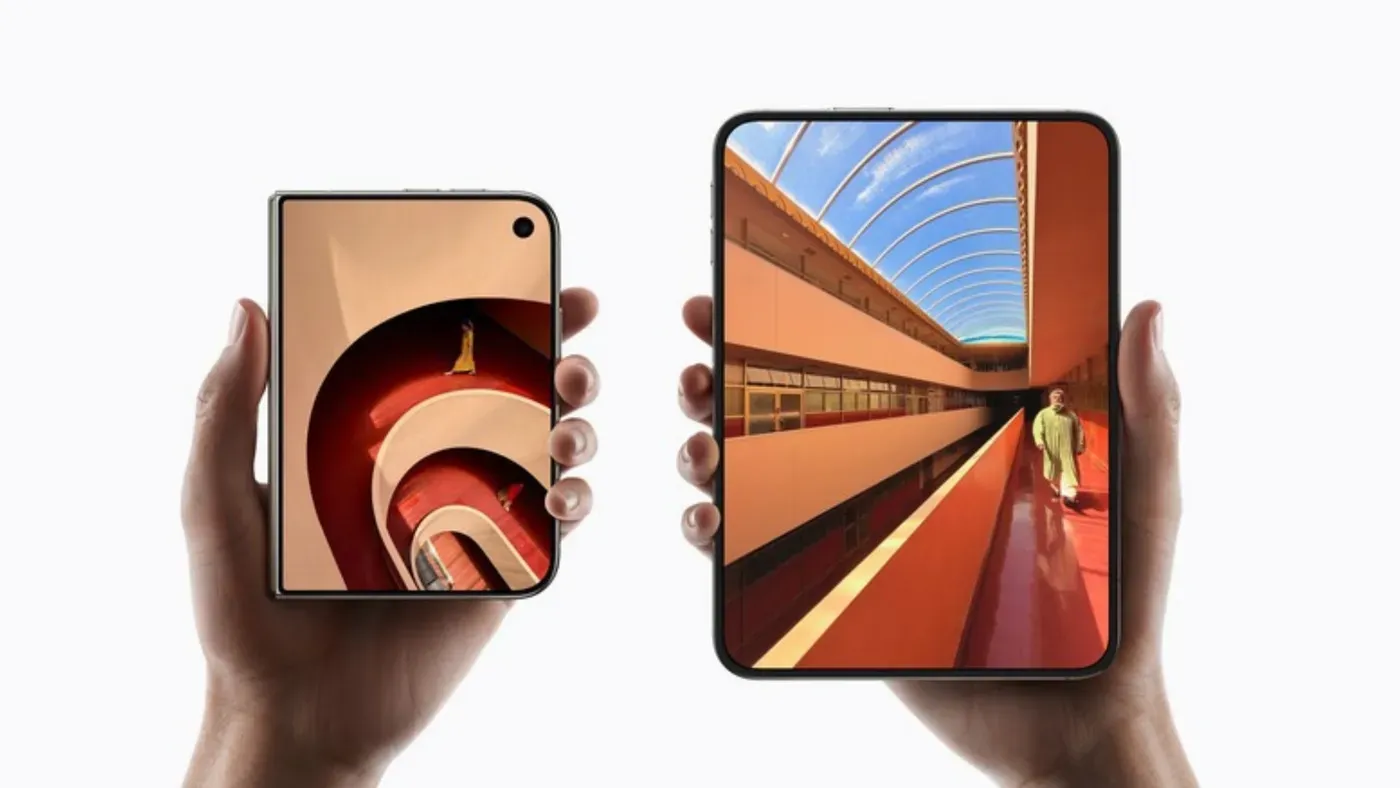
The foldable phone has come a long way since its inception, and recent advancements suggest they may be on the cusp of mainstream acceptance.
Despite initial struggles with size and functionality, manufacturers have continued to push the boundaries of foldable technology. The Samsung Galaxy Z Fold 4, for instance, was bulky and awkward in its early days, prompting questions about why someone would carry two phones when one could easily have a decent camera instead.
However, newer models like the Google Pixel 11 Pro Fold and the Samsung Galaxy Z Fold 8 demonstrate significant strides forward in foldable technology. These devices showcase improved design and functionality, making them more viable for everyday use.
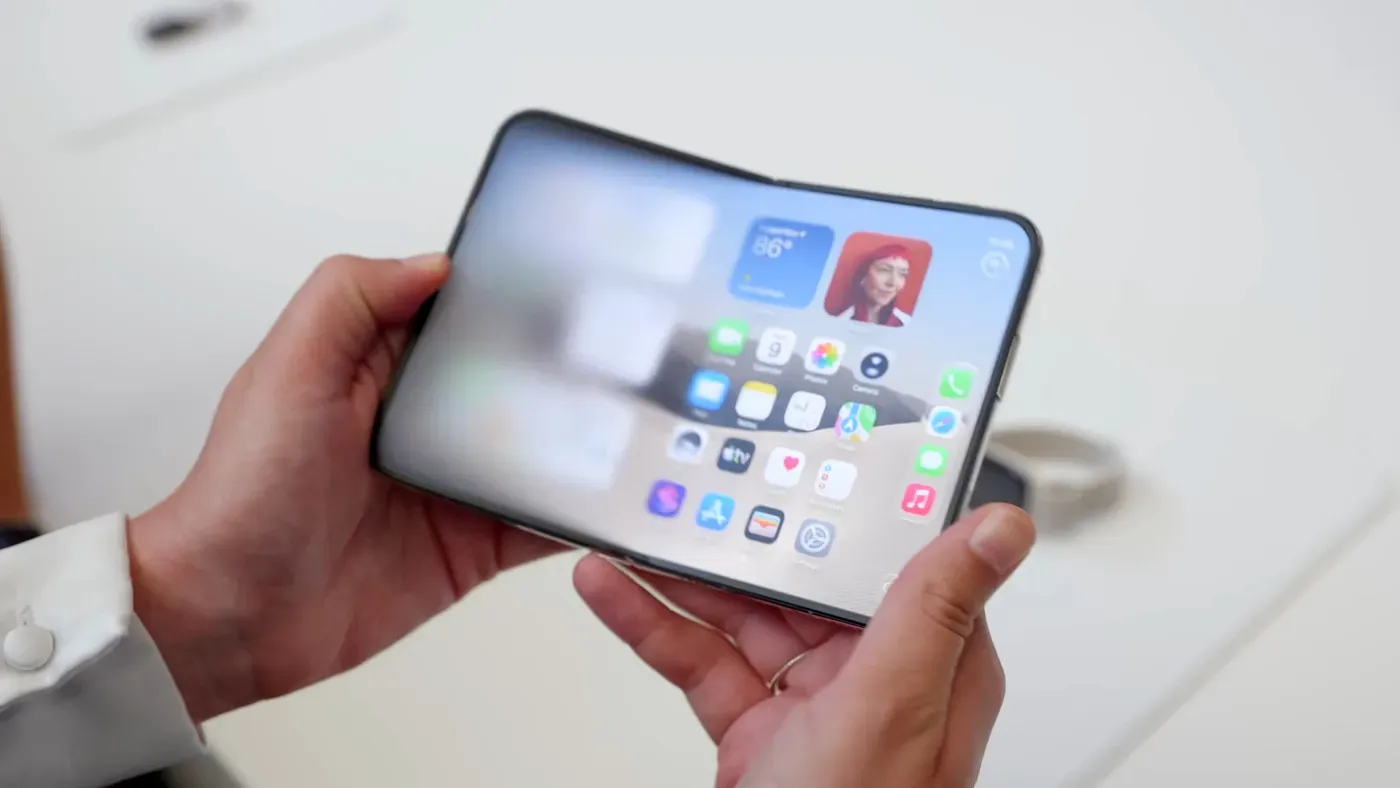
In addition to these innovations, Apple's entry into the market with its iPhone Duo has generated considerable buzz. This move may signal a turning point for foldables, as it could help bring about greater mainstream acceptance of the technology.
The development of foldable phones has been marked by numerous breakthroughs and setbacks over the years, laying the groundwork for today's more advanced devices.
The introduction of flexible OLED technology in devices marked a significant milestone for foldable phones. This innovation paved the way for the development of more advanced devices that could be easily folded and unfolded. One of the earliest attempts at commercializing this technology was the Royole FlexPai, which made its debut at CES 2019.
The FlexPai's design and functionality generated a lot of buzz, with many hailing it as the world's first commercially available foldable smartphone. However, Engadget's initial review revealed some significant drawbacks to the device. The reviewers noted that the phone was "rough around the edges, had an unusual size, and overall felt janky." Despite these limitations, the FlexPai demonstrated that flexible OLED technology could be integrated into a real product.
A few months after the Royole FlexPai's launch, Samsung entered the foldable market with its Galaxy Fold. Released in February 2019, the phone was touted as a premium device with a price tag to match, just under $2,000. However, the Galaxy Fold's initial release was marred by controversy and criticism.
Many reviewers reported that their phone screens had broken after minimal use, with some even discovering that they had inadvertently removed a layer of plastic serving as a screen protector. This fragility led Samsung to delay the public launch and recall all units sent to reviewers for re-engineering. The revised version was reportedly more durable, but still exhibited some weaknesses.
The issues encountered by the Galaxy Fold highlighted the importance of perfecting key aspects of foldable phone design, specifically, the crease, hinge durability, and screen resistance. These factors would prove crucial in determining the success or failure of subsequent foldable devices.
As the industry continued to evolve, manufacturers began to refine their designs and address the limitations of early foldable phones. The next generation of devices would aim to build upon the progress made by pioneers like Royole and Samsung, pushing the boundaries of what was possible with flexible OLED technology.
The design of foldable phones continued to evolve as manufacturers experimented with different approaches. Huawei's Mate X, unveiled at MWC 2019, took a unique approach by folding outward instead of inward. This single high-resolution display wrapped around the outside of the phone, creating an elegant design. However, this design had its drawbacks, making it vulnerable to scratches and damage.
The Mate X's innovative design was not without controversy, as it was never sold in the United States due to trade sanctions imposed by then-President Donald Trump on Chinese technologies. Nevertheless, Huawei's subsequent foldable, the Mate X2, adopted the inward fold introduced by Royole and Samsung, demonstrating that different designs do not necessarily guarantee success.
The years between 2020 and 2025 saw a surge in foldable phone models from Android manufacturers. Each new release brought significant advancements, contributing to the growing viability of foldable phones as a mainstream option. Despite these efforts, no single model achieved its intended goal of making foldable phones widely accepted by consumers.
Samsung's Galaxy Z Flip was among the first to address the issue of screen protection. In 2020, it introduced ultra-thin glass in the inner screen, enhancing durability. The following year saw the release of the Z Fold 3 and Z Flip 3, which boasted IPX8 water resistance. Although dust protection remained a challenge, Samsung's Fold 6 achieved partial IP48 certification.
Meanwhile, manufacturers continued to grapple with another major issue: the crease that formed when the phone was folded. Oppo's 2021 Find N was notable for its near-invisible crease, setting a new standard in this area. Honor followed suit with its Magic V series, which further reduced thickness. Samsung eventually responded with the slim Galaxy Z Fold 7.
As manufacturers pushed the boundaries of foldable technology, the focus shifted from individual innovations to broader design considerations. The development of more robust screens and thinner designs marked significant strides toward making foldable phones a viable option for consumers.
Pricing has been a significant barrier for foldable phones, but recent developments have made them more affordable for consumers. Clamshell designs like the Motorola Razr and the Galaxy Z Flip 3 have helped bring prices down to flagship levels, making foldable phones a more viable option.
The success of these devices suggests that Apple's iPhone Duo has the potential to take foldable phones mainstream. With its sleek design and impressive specs, including a 7.6-inch internal display and a 5.4-inch external display, the iPhone Duo is poised to make a significant impact.
Apple's history of entering markets after initial teething problems have been resolved may be repeating itself with foldable phones. The company waited until the crease issue was addressed before releasing its own model, and it appears that the iPhone Duo has overcome any early hurdles.
The phone's compact design when folded makes it a convenient option for users, while its starting price of $1,999 suggests that Apple is serious about making an impact in this market. Reviews have been overwhelmingly positive, with many considering the iPhone Duo to be one of Apple's most exciting devices in years.
If sales projections are accurate, we may soon see foldable phones become a staple in consumer electronics, with millions of units expected to be sold in 2026 alone. This would mark a significant turning point for foldable technology, making it fashionable and accessible to a wider audience.
Facts based on reporting originally published by Engadget.
You may republish this story, in full or in part, if you credit News Central Site and link to it (licence CC BY 4.0). Photos are not included.