Calley Means Accuses Administration Officials of Corruption
A senior adviser to a former US Health Secretary has made explosive claims about corruption within President Trump's administration, accusing certain individuals of being beholden to special interests and prioritizing industry funding over voter needs.
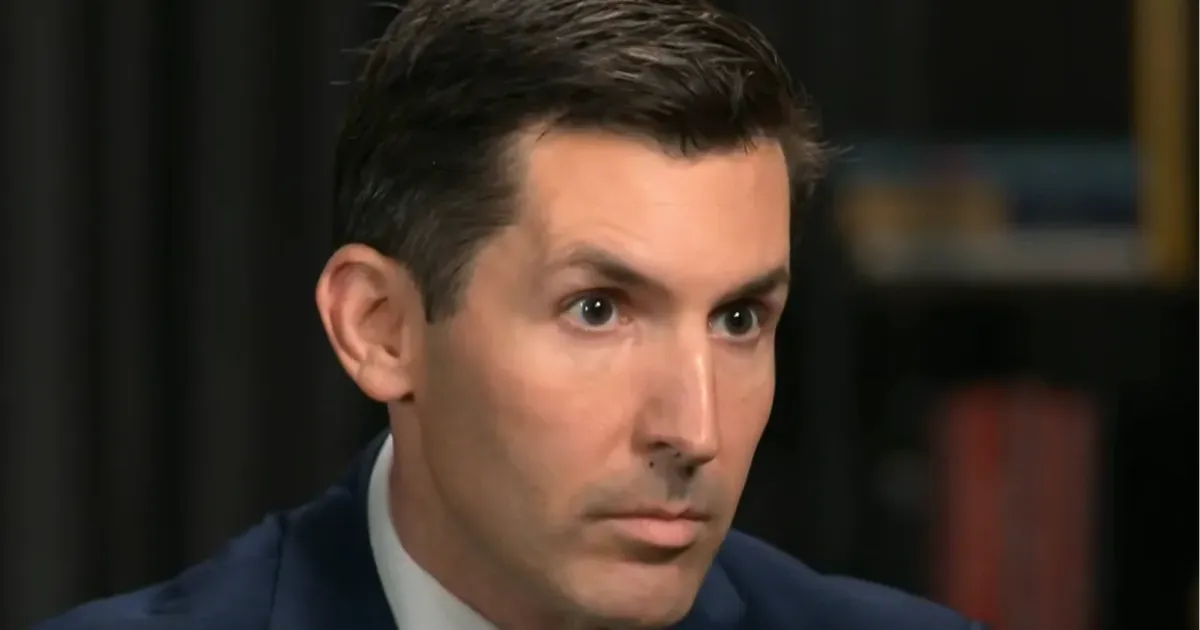
A senior adviser to a former US Health Secretary has made explosive claims about corruption within President Trump's administration. Calley Means appeared on "Face the Nation and accused certain individuals of being beholden to special interests.
The departure of Chief of Staff Susie Wiles from the White House coincides with a significant Republican loss in the recent midterm elections. This timing is likely to raise suspicions about the motivations behind her resignation.
Calley Means has been vocal about his intention to see Wiles removed, suggesting that she was part of a group working against President Trump's original policies. According to Means, these individuals were more interested in serving special interests than upholding the President's campaign promises.
As a former senior adviser, Calley Means had access to sensitive information within the administration. He has spoken publicly about the MAHA initiative he led at the White House, which aimed to address rampant cancer rates among children.
Means believes that the root cause of this problem lies in environmental factors such as pesticide use and consumption of ultra-processed foods. These concerns were at the heart of the MAHA movement and align with President Trump's original campaign promises.
However, Calley Means claims that certain individuals within the administration prioritized catering to industries like vaping, pharmaceuticals, and pesticides over addressing these issues. Their excuse was that these groups provided essential funding for the midterms.
When asked who specifically was behind this alleged corruption, Calley Means declined to name names but instead referred to they.
The alleged corruption at the heart of the administration is a complex web of influence peddling and special interests. It appears that certain advisors had formed close relationships with industry leaders, catering to their needs rather than those of the voters.
A key figure in this saga is Tony Fabrizio, a pollster who was instrumental in shaping White House policy. He held significant sway over cabinet secretaries, who would often seek his approval on various policy initiatives.
As a result, any policy that aimed to tackle issues like healthy food and school lunches or take on the pesticide industry and big pharma would first need to pass through Fabrizio's office for a political check. This gave him considerable influence over the administration's agenda.
Fabrizio's role was so prominent that he was often present in the White House, meeting with officials every week. His opinions carried significant weight, and his input was crucial in determining which policies would be implemented.
However, what is perhaps most egregious about Fabrizio's involvement is the fact that he was being paid by some of the very industries he was influencing policy on. According to Means, this information can still be found on Fabrizio's website, where he lists his clients and solicits new business.
The implications of this arrangement are far-reaching, suggesting a deep-seated corruption within the administration. It raises questions about how much President Trump was aware of these dealings and whether he had any control over them.
As Means continues to detail the alleged corruption, it becomes clear that there were many players involved in this complex web of influence peddling.
The complex web of influence peddling at play in Washington is becoming increasingly clear as Calley Means continues to shed light on alleged corruption. One aspect of this issue involves the intersection of politics and business, specifically when it comes to public health initiatives.
A key example is the proposed policy to define ultra-processed food, which was intended to have 90% support from various stakeholders. However, according to Means, the President intervened and advised against pursuing this goal, despite being influenced by a major player in the industry - Pepsi. This raises questions about the extent to which corporate interests are shaping public policy.
The conversation on ultra-processed food is an important one, as it has significant implications for public health. However, the issue at hand is not just about the merits of this particular policy, but also about the broader context in which decisions are being made.
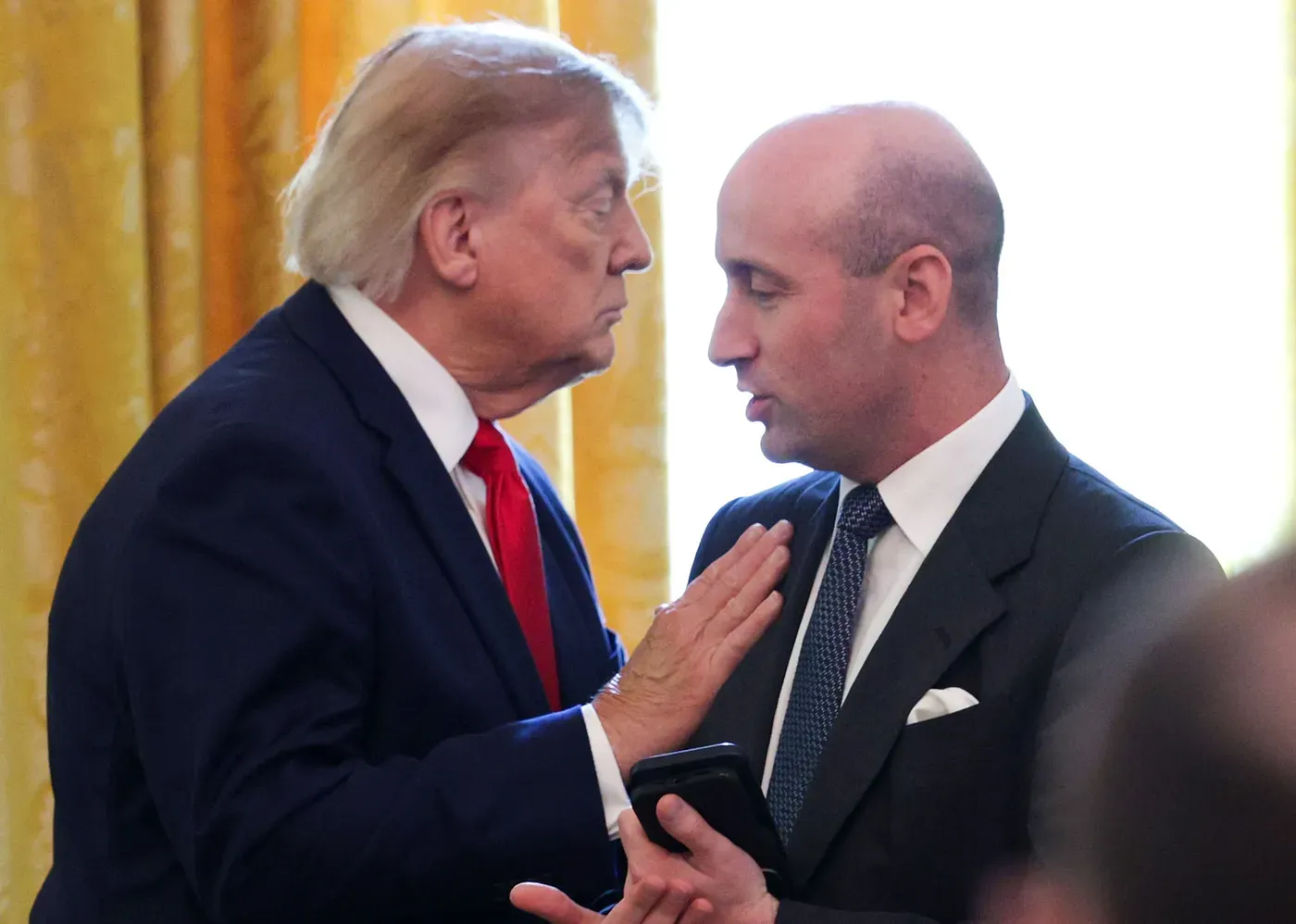
As Means has alleged, there were multiple players involved in influencing the President's decision-making process. One notable figure is Stephen Miller, who has been elevated to a key position and is seen as someone who understands the corporate capture of the political system. This development is significant, given Miller's commitment to going against special interests and upholding America First principles.
The alleged corruption at play in this situation is not just about individual actions or decisions; it also speaks to a deeper problem within the system itself. The influence of corporate interests on public policy has far-reaching consequences for the country as a whole.
The resignation of Susie Wiles, which occurred on Thursday, has sparked speculation about potential connections between her departure and Means' allegations. However, Means is cautious in his response, stating that he cannot speak to what's going through the President's head.
In light of these developments, it remains to be seen how the situation will unfold and whether any meaningful reforms will be put in place to prevent such corruption from happening in the future.
A shift away from the current policy process controlled by Susie's lobbying group towards a more America First approach is expected. This move aligns with President Trump's vision and resonated with his supporters. The decision to elevate Stephen Miller, who has been a key figure in shaping the administration's policies, is seen as a bold statement. It also signals a positive development for the country.
The appointment of Stephen Miller is viewed as a significant change in the administration's dynamics. RFK Jr is close to HHS Secretary and believes that Miller is the strongest MAHA supporter within the administration. This endorsement has sparked hope for meaningful reforms, particularly in healthcare. The phrase unleash the Kraken takes on a new meaning in this context.
RFK Jr explains that unleashing the Kraken refers to taking bold action on issues that matter to the American people. In healthcare, this means addressing corporate capture, corruption, and big pharma incentives. These are universal concerns that transcend party lines. The HHS Secretary's efforts to promote healthier food options also fall under this umbrella.
RFK Jr has spent extensive time with the HHS Secretary and is familiar with their priorities. He believes that the Secretary's vision for healthcare aligns closely with those of many Democrats. The focus on addressing corporate capture, corruption, and big pharma incentives is shared by both parties. This common ground presents an opportunity for bipartisan cooperation.
The phrase unleash the Kraken" also implies a willingness to tackle systemic issues rather than just symptoms. President Trump identified the frustration and pain felt by Americans as a key challenge that needs to be addressed. The administration's open hand in addressing these concerns is seen as a positive sign, indicating a willingness to work towards meaningful reforms.
The role of Stephen Miller within the administration has been subject to scrutiny. While he may be viewed unfavorably by some Democrats due to his reputation as an operator in Washington, RFK Jr believes that he can be an ally in achieving the administration's goals. The dynamic between Miller and other key figures will play a crucial role in shaping the future of healthcare policy.
The prospect of meaningful reforms in healthcare has raised hopes for a more effective approach to addressing systemic issues. While challenges remain, the shift towards a more America First policy process presents opportunities for bipartisan cooperation and positive change.
The architect of a mass deportation policy that was highly unpopular in the recent midterm elections is facing calls to be fired from his position.
Critics argue that he cannot effectively help the administration achieve its goals due to the unpopularity of his policy.
However, Calley Means believes that President Trump's commitment to serving out his term presents an opportunity for bipartisan cooperation and progress on key issues.
The next two years are likely to be pivotal in shaping America's future, with several pressing problems requiring urgent attention.
Meantime, immigration reform is seen as a potential area where opponents can put aside their differences and work together towards a solution.
According to Calley Means, Stephen Miller has successfully implemented policies aimed at reducing the number of undocumented immigrants crossing the border.
Miller's efforts have been acknowledged by critics who concede that his approach has achieved significant results in addressing this complex issue.
The complex issue of healthcare spending in the US has been a pressing concern for many experts and policymakers. Critics argue that the country's approach to healthcare is inefficient and wasteful, resulting in significantly higher costs compared to other developed nations.
According to statistics, the US spends two to three times more on healthcare than its counterparts, yet its citizens tend to live shorter lives. This discrepancy has been attributed to corruption by some critics, who claim that special interests and lobbying groups have a significant influence on policy decisions.
In an effort to address this issue, the administration had previously proposed a Republican bill that aimed to reduce funding for premiums and Medicaid. However, this proposal was met with opposition from various quarters, including Democrats. Calley Means suggests that there is room for bipartisan cooperation, with some lawmakers willing to work towards common goals.
Means points out that certain initiatives, such as tackling high pharma prices, labeling ultra-processed foods, and improving transparency at the FDA, could enjoy cross-party support. He also highlights the need for greater disclosure regarding the use of herbicides and pesticides in the US, citing a recent EPA review of glyphosate that was marred by ghostwritten research.
The implication is that many policy decisions are influenced by special interests, with some lawmakers willing to do favors for those who pay them. Means' statement suggests that this is an acknowledged fact, even among journalists like Margaret Brennan.
Facts based on reporting originally published by CBS News World.
You may republish this story, in full or in part, if you credit News Central Site and link to it (licence CC BY 4.0). Photos are not included.