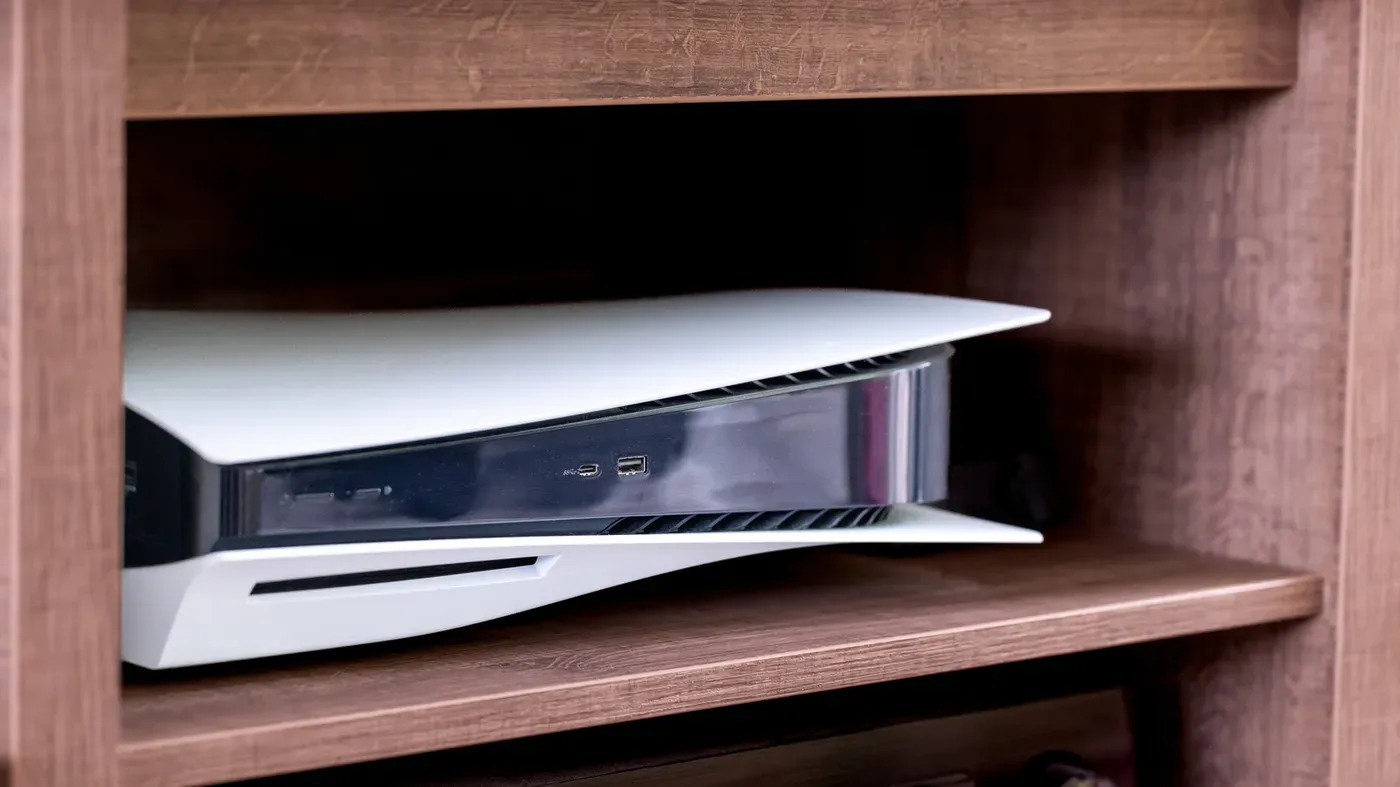
Xbox Series X Offers Affordable Alternative to PS5 Pro
The Xbox Series X provides an affordable option compared to the PlayStation 5 Pro, with a starting price of $750 for its all-digital version.
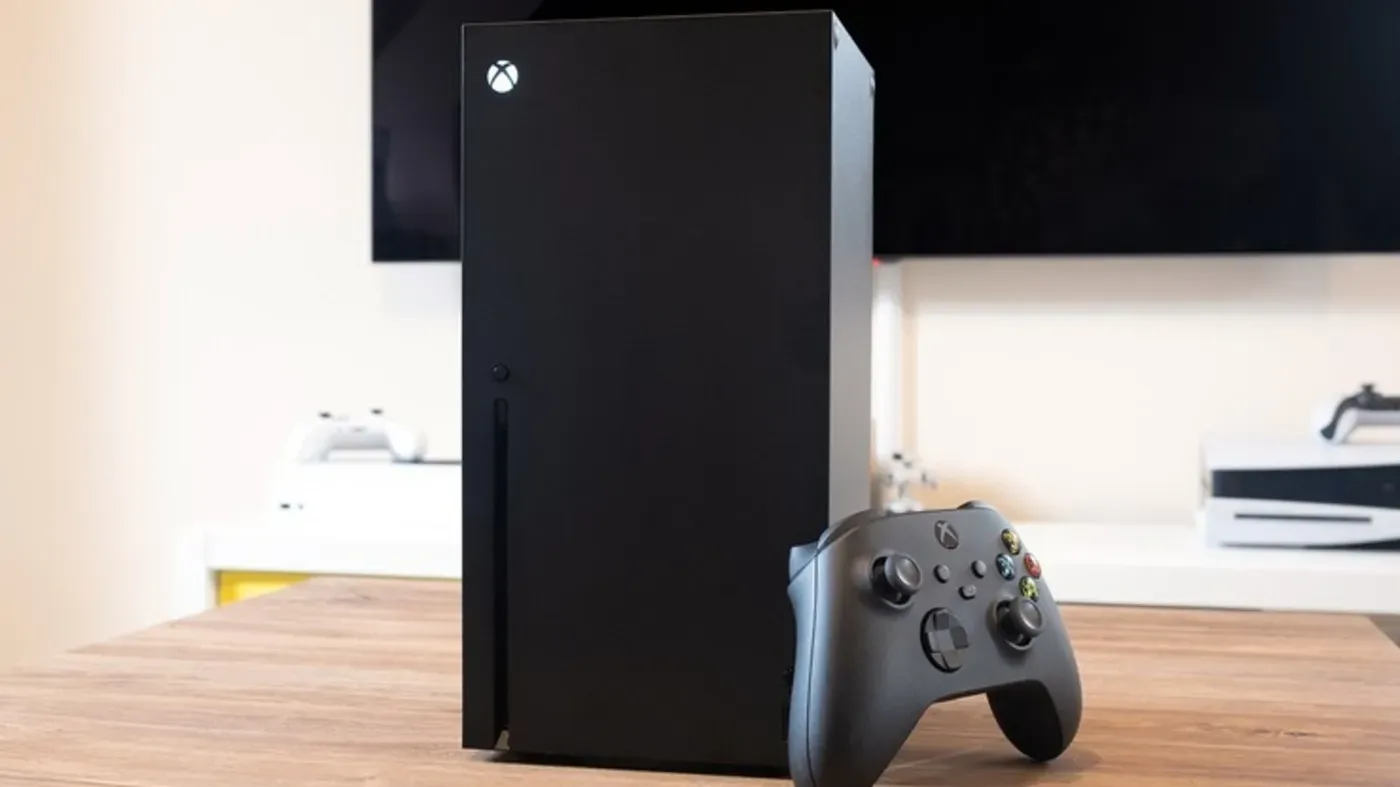
The Xbox Series X stands out as a more affordable option compared to the PlayStation 5 Pro, starting at $750 for its all-digital version. In contrast, the PS5 Pro has seen a significant price hike this year, now costing a substantial $900.
While the PS5 Pro boasts superior raw GPU specs and upscaling technology, the Xbox Series X holds its own in terms of overall gameplay performance. However, when it comes to features that go beyond pure performance, Microsoft's console offers some notable advantages.
One such advantage is Smart Delivery, a feature that ensures users receive the best available version of a game for their hardware. When purchasing a game on the Xbox Series X, Smart Delivery automatically downloads any updates or added features, such as ray tracing or unlocked frame rates, to maximize performance.
This streamlined approach contrasts with the PS5 Pro, which lacks a direct equivalent of Smart Delivery. As a result, users often have to manually choose between different versions of a game when downloading from their library. This can lead to issues with saving and loading games across console generations.
Smart Delivery's ability to sync saves across console generations automatically is particularly useful for gamers who upgrade or switch consoles frequently. Without this feature, users may encounter problems with transferring saved data from older consoles.
The absence of Smart Delivery on the PS5 Pro highlights one area where Microsoft's console excels in terms of user experience. While the PS5 Pro may be more powerful, its limitations in this regard can make it a less convenient choice for some gamers.
Smart Delivery is not the only feature that sets the Xbox Series X apart from the PS5 Pro. Its convenience and flexibility have made it a popular choice among gamers looking for a hassle-free gaming experience.
As we delve deeper into the features of the Xbox Series X, it becomes clear that Microsoft's console has more to offer than just raw performance. By focusing on user-friendly features like Smart Delivery, the company aims to provide a more enjoyable and seamless gaming experience for its users.
The Xbox Series X still offers a disc drive option, unlike its rival, the PS5 Pro. When the consoles were first released in 2020, having a disc drive was seen as an essential feature, and many gamers had built up physical libraries of games on their previous consoles.
While the PS5 also offered a discless model from launch, the Series X initially only came with a drive, making it easier for gamers to use their existing collections. Although a cheaper all-digital variant of the Xbox Series X was introduced in 2024, the option is still available for those who prefer physical media.
In contrast, the PS5 Pro does not come with a disc drive out of the box, which means that any physical games purchased for the standard PS5 will no longer be playable. This decision has also led to Sony's announcement that it will stop producing disc-based PS5 games in 2028, making it unlikely that future consoles from the company will feature a disc drive.
The Xbox Series X/S features have been widely praised, with one standout being Quick Resume. This innovative technology uses the console's SSD to suspend up to three current-generation games in the background, allowing players to pick up where they left off almost instantly.
When using Quick Resume, suspended games are moved to the SSD, enabling seamless transitions between gameplay sessions. This feature is particularly beneficial for single-player gamers who value convenience and speed. However, it may not be suitable for live service games that require a constant internet connection.
The Xbox Series X has a distinct advantage over the PlayStation 5 Pro when it comes to resuming games. While the PS5 can suspend one game at a time and resume it later, it's limited to doing so when the console is turned on or in rest mode.
In contrast, the Xbox Series X allows players to quickly pick up where they left off with multiple games suspended simultaneously. This feature, known as Quick Resume, significantly enhances convenience for gamers who frequently switch between different titles.
One area where the PS5 Pro excels is its processing power and potential features like advanced ray tracing and AI upscaling. However, in terms of HDR standards, it falls short by not supporting Dolby Vision, which many consider to be the best standard available.
While the PS5 family does support Dolby Atmos audio, Dolby Vision remains absent for both games and movies. This means that users with TVs capable of displaying Dolby Vision may find themselves unable to take full advantage of its superior picture quality.
The Xbox Series X also has a notable limitation when it comes to playing blu-ray discs in Dolby Vision. However, the console does support Dolby Vision for optimized games, resulting in enhanced colors and contrast without requiring manual calibration adjustments.
As a major selling point, the Xbox Series X boasts an extensive game library through its Game Pass subscription service. This offers users access to almost every first-party game at launch on the Game Pass Ultimate tier, providing significant value for gamers willing to commit to the service.
The Xbox Series X has established itself as a powerhouse in terms of backwards compatibility, allowing users to play a vast array of games from previous console generations on their new hardware. This means that gamers can access and enjoy thousands of titles from the Xbox One, 360, and even original Xbox libraries.
One key advantage of this extensive library is that it includes hundreds of games from the Xbox 360 era, which is not available on Sony's PS5 Pro. The inclusion of these older titles provides a significant value proposition for gamers who want to play classic games without having to purchase them individually or wait for years for them to become available through the service.
Another benefit of the Xbox Series X's backwards compatibility is that it allows users to seamlessly switch between playing on their console and PC, using the same save data. This offers a high degree of flexibility and convenience, making it easier for gamers to play their favorite titles across multiple platforms.
Microsoft has also made significant strides in enhancing older games through features like FPS Boost, Auto HDR, and enhanced resolution. These improvements can breathe new life into classic titles, making them look and feel more modern and polished.
In contrast, the PS5 Pro's backwards compatibility is more limited, primarily focusing on PS4 games with some occasional boosts to frame rate and loading times. However, Sony has not prioritized supporting physical copies of older PlayStation consoles like the PS3, PS2, or PS1.
The lack of support for these older consoles means that gamers who want to play retro titles are largely out of luck. Furthermore, even when games from older consoles are available on the service, they can only be streamed and not played natively, which may be a problem for those with unreliable network connections.
Sony's focus on supporting PS4 games is evident in its efforts to enhance these titles through features like improved graphics and faster loading times. However, this narrow focus means that older PlayStation consoles are largely absent from the service, limiting gamers' options when it comes to playing classic titles.
The Xbox Series X boasts an array of features that its rival, the PS5 Pro, currently lacks. One such feature is Microsoft's innovative disc-to-digital licensing program, which enables users to convert their physical games into digital tokens.
This program is exclusive to Xbox Series X and Xbox One titles, but for hundreds of supported games, all you need to do is insert a disc once to create the license. Once activated, you can play the game without needing the corresponding disc inserted.
The digital license is tied to your Microsoft account rather than the physical disc, which means that selling or lending the disc to someone else will automatically cancel the license. This ensures that users can carry their libraries forward even if future Xbox consoles abandon physical discs altogether.
Microsoft's commitment to preserving gamers' collections stands in contrast to Sony's plans to end physical disc production by 2028. The PS5 Pro, which is set to follow suit, currently lacks a similar program for converting physical games into digital tokens.
The storage capacity of the two consoles differs significantly, with the PS5 Pro boasting twice as much built-in storage at 2TB compared to the Xbox Series X's 1TB. However, gamers who play AAA titles extensively will eventually hit storage limits on either console.
Upgrading storage on the Xbox is a relatively straightforward process that requires inserting an M.2 SSD into the dedicated expansion slot inside the console. This involves removing the faceplate and unscrewing the expansion slot cover to make way for the additional SSD.
The process of expanding storage on the PS5 Pro, while doable, is significantly more complicated due to its reliance on a dedicated expansion slot that requires careful handling of the faceplate and internal components. This can be intimidating for users who are not familiar with console modifications.
The Xbox Series X offers users an easy way to expand their storage capacity without requiring any technical expertise. To do so, one simply needs to purchase an officially licensed Storage Expansion Card from Seagate or Western Digital and insert it into a slot on the back of the console.
This process takes mere seconds to complete and doesn't necessitate the use of specialized tools, making it accessible even to those unfamiliar with console modifications.
Facts based on reporting originally published by Engadget.
You may republish this story, in full or in part, if you credit News Central Site and link to it (licence CC BY 4.0). Photos are not included.