Flu Season Appears to Start Early in Some US States
The flu season appears to be getting off to an early start in some parts of the United States, with rising cases reported nationwide.
Flu season appears to be getting off to an early start in some parts of the United States, with rising cases reported nationwide.
Typically, flu activity begins building in late fall, around October or November, and peaks between December and February. However, current data suggests that this year's flu season is already underway, with a notable increase in positive test results. According to the Centers for Disease Control and Prevention (CDC), 3.4% of respiratory samples tested by clinical labs were positive for flu during the week ending September 26.
This represents a significant jump from last year, when only about 0.5% of samples tested positive at the same point in time. The surge in flu cases is particularly evident in Western states, including Washington, California, and Arizona, where patients are already testing positive for the virus. In some areas, emergency department visits related to flu have increased dramatically.
In Washington state, for instance, the proportion of emergency department visits diagnosed as flu rose from 0.25% in late August to 1.34% in early October. This represents a more than fivefold increase over just six weeks. The rapid rise in cases is prompting concerns that this year's flu season may be starting earlier and with greater intensity than usual.
As the number of reported cases continues to climb, health experts are urging people to get vaccinated as soon as possible, particularly since October is considered an ideal time for flu shots.
The start of flu season is not necessarily determined by its geographical origin, according to experts. In fact, the timing and location of the first outbreaks can vary greatly from year to year. While some seasons may begin on the West Coast and spread eastward, others have started in the Southeast or Midwest.
There are several subtypes of flu viruses that cause seasonal flu, including two types of influenza A: H1N1 and H3N2, as well as the Victoria lineage of influenza B. Interestingly, a second subtype of influenza B is thought to be extinct, and has been replaced by the Victoria lineage in recent years.
Last season was particularly severe for children, with at least 195 deaths attributed to flu-related causes. The CDC classified this season as highly severe due to the high number of child fatalities. This highlights the importance of vaccination, especially during peak flu seasons.
The characteristics of influenza A and B viruses are distinct, with each having its own unique traits. Influenza A strains tend to cause larger outbreaks early in the season, while influenza B strains often "smolder along and account for most cases later on. This year has seen a notable shift, with H1N1 taking an initial lead over H3N2.
According to CDC data, 96% of influenza A samples subtyped during the week ending September 26 were identified as H1N1. However, this snapshot does not necessarily indicate that H1N1 will continue to dominate throughout the season, and the situation may change as more data becomes available.
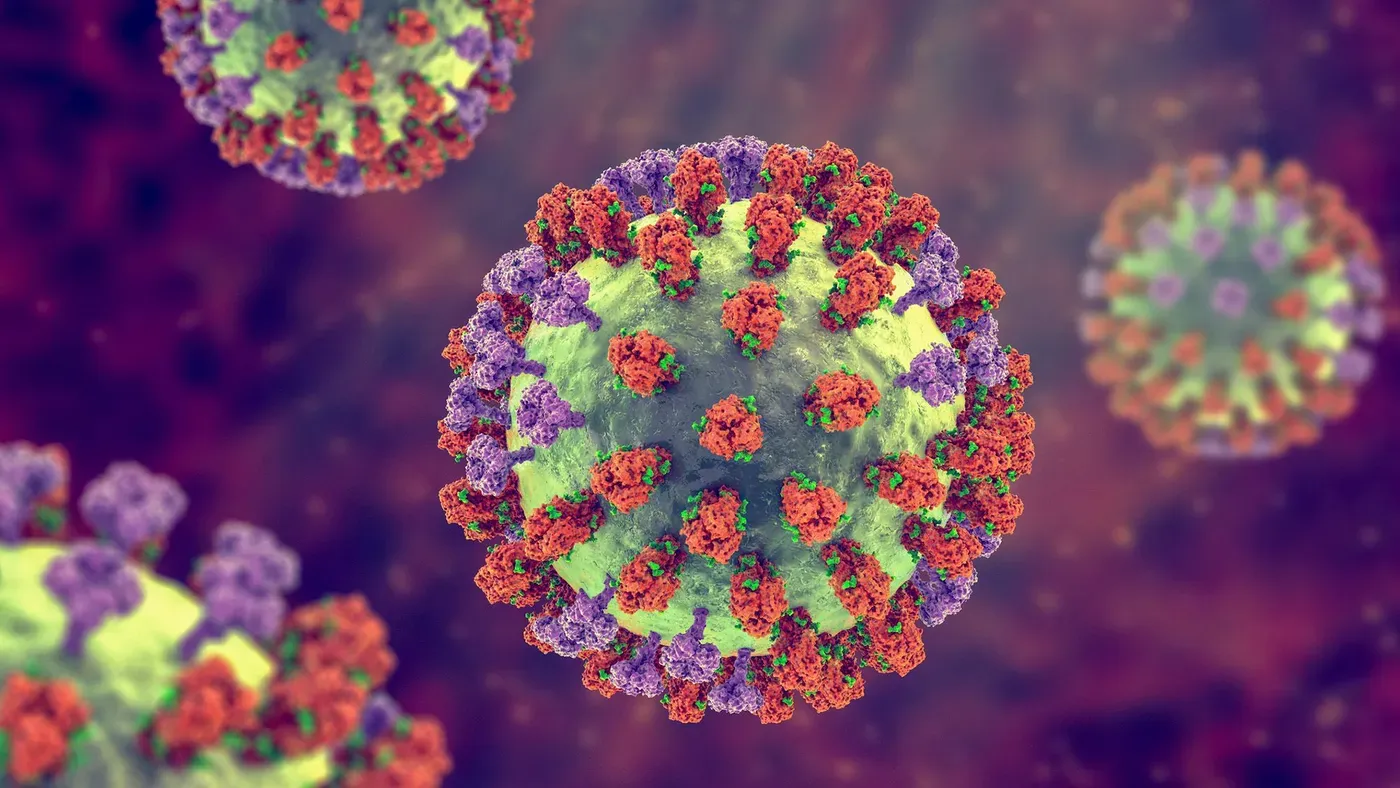
The dominant strain of influenza matters because it constantly mutates, particularly in its hemagglutinin protein, which is used by the virus to latch onto human cells. This constant change makes flu a moving target, as Dr. Paul Offit, director of the Vaccine Education Center at Children's Hospital of Philadelphia, would say. The main target of flu vaccines is indeed the hemagglutinin protein.
An early start to the season does not necessarily mean it will be severe. According to its 2026-2027 season outlook, the CDC projects that this season will likely be moderate, although it only has low-to-moderate confidence in that forecast. This uncertainty highlights the complexity of predicting flu seasons.
The Centers for Disease Control and Prevention recommends that everyone six months and older get an annual flu vaccine. This recommendation is based on the fact that flu can have severe consequences for certain groups, such as children under five, adults 65 and older, people with chronic health conditions, and pregnant individuals.
Influenza can lead to serious complications like pneumonia, sepsis, brain inflammation, heart inflammation, and even death. Each year in the United States, tens of thousands of people die from flu-related causes. These statistics underscore the importance of vaccination for high-risk groups.
The timing of flu vaccination is crucial. The CDC typically advises against vaccinating most adults in July or August because the protection offered by the shot can wane over time. However, with flu arriving early this year, October is the ideal time to get vaccinated, and even more so right now," according to Schaffner.
When circulating flu strains don't match those in the vaccine, it can signal a more challenging season ahead.
The body starts building protection against the flu immediately after vaccination, but this process takes about two weeks to reach its full potential.
The effectiveness of flu vaccines varies from one season to another, influenced by how well their formulation aligns with circulating viruses.
In terms of preventing symptomatic illness, vaccine efficacy differs across age groups, with adults benefiting more than younger individuals. The shot has been shown to be particularly effective in preventing severe cases of the flu.
As for mild flu cases that require medical attention, the CDC estimates that vaccines have been about 29% to 56% effective over the past decade.
The flu season is expected to start early this year, prompting health experts to recommend that people get vaccinated as soon as possible. October is considered an ideal time for vaccination, but it's not clear if this will lead to a heavier flu season.
A new option has become available in the form of mFlusiva, the first mRNA flu vaccine approved by the FDA for adults aged 50 and older. This shot contains a blueprint of genetic instructions that the body's cells use to create proteins against the flu virus, rather than actual pieces of the virus itself.
The mRNA technology used in mFlusiva is less likely to cause symptomatic disease, according to experts. It works by instructing the body's cells to produce specific proteins, such as hemagglutinin, which are found on the surface of the flu virus. The genetic instructions contained in the vaccine then break down in the body and do not influence human genetic material.
The early start to the flu season could be a sign that cases will continue to rise beyond the Western United States. However, it's still unclear if this trend will hold, and more data is needed from the CDC's weekly surveillance reports to determine the severity of the upcoming flu season.
Experts emphasize that mFlusiva cannot influence human genetic material, and its effects are limited to instructing the body's cells to produce specific proteins against the flu virus. The vaccine contains a set of instructions for three different flu subtypes, providing protection against multiple strains of the virus.
The coming weeks will provide more insight into the severity of the upcoming flu season, as the CDC continues to monitor cases and provide updates through its weekly surveillance reports.
The Centers for Disease Control and Prevention (CDC) has reported an increase in flu cases across the United States, indicating that this year's flu season may start earlier than usual. Typically, the peak of the flu season occurs between December and February, but experts warn that the virus is spreading rapidly, especially among children.
This surge in early-season cases has led health officials to advise people to get vaccinated as soon as possible, with October being considered an optimal time for inoculation.
Facts based on reporting originally published by Live Science.
You may republish this story, in full or in part, if you credit News Central Site and link to it (licence CC BY 4.0). Photos are not included.