Covid-19 Cases Rise Globally with New XFG Variant Dominating Infections
A new variant called XFG has emerged as the dominant strain of Covid-19 globally, sparking concerns about its ability to evade antibody protection.
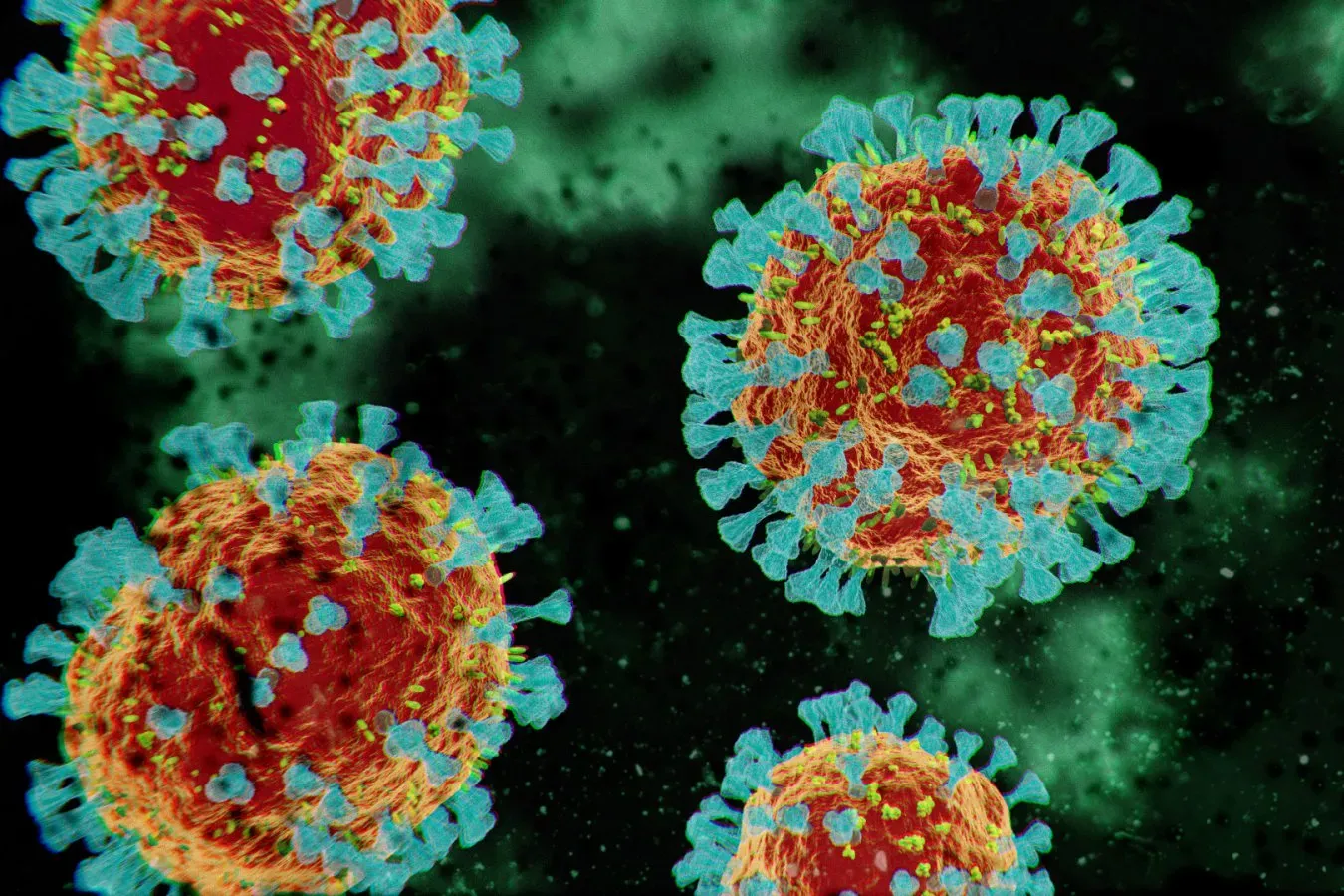
Covid-19 cases are on the rise in Europe and North America, sparking concerns about a new variant called XFG that has dominated global infections over the past year.
A succession of covid-19 variants has emerged since 2019, but every new strain doesn't necessarily pose a significant threat. This raises questions about whether our existing immunity from previous vaccinations and infections is enough to protect us against serious illness.
Danny Altmann at Imperial College London notes that we're in uncharted territory six years on from the pandemic's peak. We'd hoped that covid-19 would be like the common cold, barely noticeable, he says.
Lab tests show that XFG is more adept at evading antibody protection than previous variants, which might explain its global dominance.
The emergence of new COVID-19 variants has become a regular occurrence since Omicron took center stage in 2021. According to experts, this constant evolution is driving the creation of successive strains that outcompete their predecessors and fuel fresh waves of infection.
One such variant, XFG, was first detected early last year and by June had caught the attention of global health authorities who began officially monitoring it. Today, it accounts for approximately 60% of all sequenced COVID-19 cases worldwide.
Lab tests have shown that XFG is more adept at evading antibodies than previous variants, with some research suggesting this ability may be a key factor in its rapid spread. This increased susceptibility to infection could have serious implications for public health.
The World Health Organization has taken notice of the variant's global reach and widespread impact, but concerns are also growing about another emerging strain known as Nimbus, which is showing similar evasive properties when tested against human antibodies.
The emergence of new COVID-19 variants has raised concerns about their potential impact on global health. However, data from various regions suggests that some of these variants may not pose a significant threat in terms of disease severity, hospitalizations, or deaths.
In the UK, for instance, there was a notable increase in COVID-19 cases in hospitals during the first week of October, with 1638 cases identified compared to 1328 the previous week. Despite this rise, it's essential to note that these numbers are still lower than at the same time last year and can be attributed to seasonal fluctuations.
Experts emphasize that real-time assessment of a virus's impact can be challenging due to various factors. Dr. Aris Katzourakis from the University of Oxford highlights the difficulties in making accurate assessments, pointing out that it's often difficult to discern whether observed trends are due to the virus itself or other external influences.
Research on the XFG variant has shown that its evolution is consistent with "quiet changes rather than a shift towards increased virulence. According to Dr. Leena Azhar and her colleagues from Fakeeh College of Medical Sciences in Jeddah, Saudi Arabia, this suggests that the virus is fine-tuning itself rather than becoming more aggressive.
The fact that many people in the UK have not been vaccinated for several years has led some experts to suggest that they are relying on existing immunity to combat the virus. Dr. Altmann notes that this situation is vastly different from when Omicron emerged, which had a significant impact due to its high transmissibility and ability to evade vaccines.
The World Health Organization is monitoring the global spread of XFG and other variants, including Nimbus, which has shown similar evasive properties. As the situation continues to evolve, it remains to be seen how these emerging strains will affect public health worldwide.
The threat posed by emerging Covid-19 variants remains uncertain, according to experts. While some new strains may not be significantly more dangerous than previous ones, there is a risk that a highly mutated strain could emerge in the future.
This could happen if many mutations accumulate in a single immunosuppressed individual, similar to how the Omicron variant originated. The lack of monitoring and sequencing data makes it difficult to detect potential new threats early on.
As a result, governments' attitudes towards vaccine boosters have been described as lackadaisical", with most children starting school having never been vaccinated, leaving unclear consequences for public health.
Facts based on reporting originally published by New Scientist.
You may republish this story, in full or in part, if you credit News Central Site and link to it (licence CC BY 4.0). Photos are not included.