Deceased Relatives Remain Integral Part of Americans' Lives
Almost 44% of Americans report feeling or communicating with a deceased relative in the past year alone, according to recent survey data.
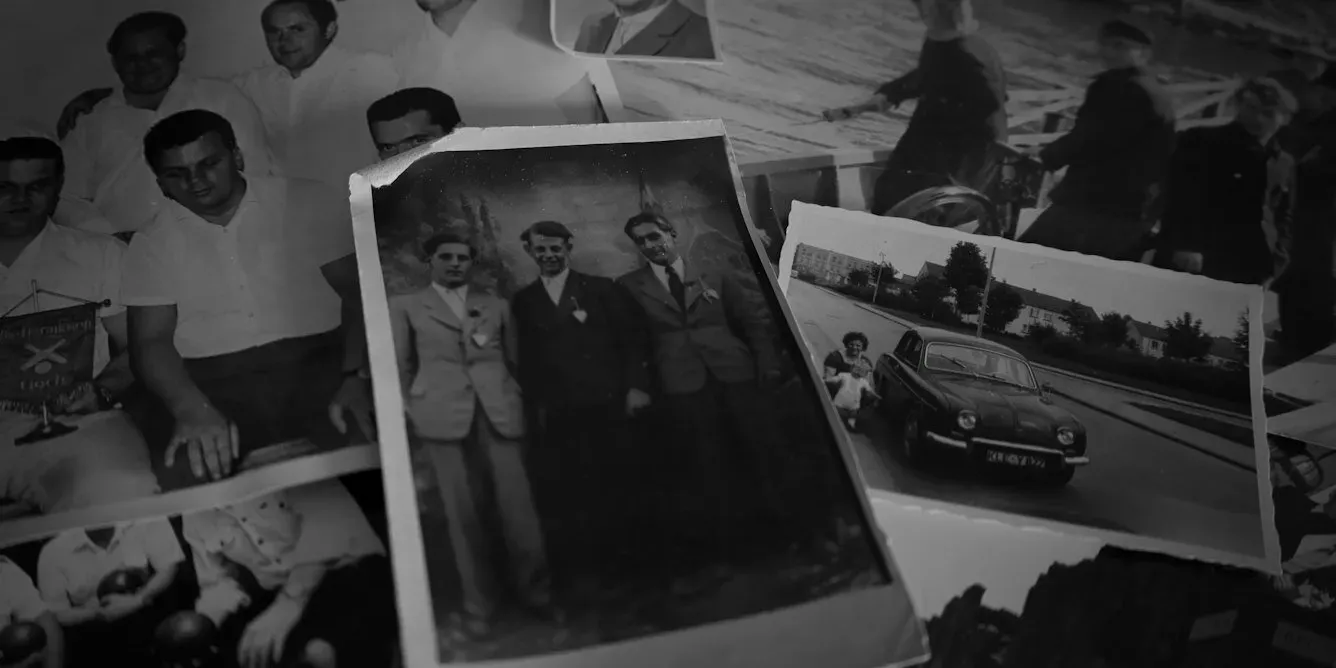
Millions of dead people linger in Americans' memories as loved ones who continue to shape their identities and behaviors long after they pass away.
As Halloween gets underway, it's a time for celebrating the lives of those who have died with various cultural festivals such as All Saints' Day, All Souls' Day, and the Day of the Dead. However, deceased relatives do not fade from people's social connections once the festive decorations come down.
According to recent survey data, almost 44% of Americans report feeling the presence of a deceased relative or communicating with one in the past year alone. This suggests that the dead remain an integral part of many people's lives.
The study of this phenomenon is largely unexplored by researchers who typically focus on demographics of the living. However, a recent investigation into the characteristics of deceased relatives has shed light on their presence in American society.
To better understand the size and age distribution of the population's deceased relatives, researchers analyzed demographic data for five close family members: grandparents, parents, siblings, spouses, and children.
To analyze the size and distribution of the deceased relatives in Americans' memories, researchers employed a demographic microsimulation framework that focused on Black and white populations due to limitations in estimating relative populations living outside of the United States.
The study's population data was updated from July 2020 to October 2026, allowing for a more current understanding of the number of deceased relatives. This revision ensured that the results were representative of the estimated population at a later time period.
A crucial aspect of this project involved making modeling decisions, as estimating the deceased relative population is not a common exercise in demographic research. The researchers chose to only include deceased relatives who died after the birth of at least one living person, effectively excluding those who would not be remembered by anyone.
The count of deceased individuals was based on the number of living relatives they had. For example, if an individual with four living descendants passed away, they were counted in the deceased relative population multiple times to reflect their presence in the memories of each descendant.
To better understand how age at death affects memory, the researchers categorized deceased relatives according to their age at the time of passing. This allowed for a more nuanced understanding of which age groups would be most likely remembered by living individuals.
The study revealed that the number of deceased relatives tied to the living population is substantial. The model estimated that approximately 755 million ties exist between the living Black and white population, which numbers around 217 million individuals. This means that for every under-15-year-old trick-or-treating on Halloween, there are roughly 21 deceased relatives still remembered.
The average age of death among these tied relatives is about 25 years ago. As a result, many loved ones remain suspended in memory for extended periods, often spanning decades after their passing. This finding underscores the enduring impact that deceased individuals have on those who remember them.
A significant proportion of the deceased relative population has roots dating back over a century. More than half of these ties were formed with individuals born before 1900. In fact, around 10% of the deceased relatives were born before the Civil War, which is particularly noteworthy given their direct connection to today's oldest living individuals.
The presence of such a large number of deceased relatives from earlier generations highlights the intergenerational connections that persist within families and communities. These bonds can transcend time, allowing loved ones who have passed away to continue playing an active role in shaping family histories and cultural identities.
These findings emphasize the importance of considering the cumulative impact of historical events on contemporary society. By examining the ties between living individuals and their deceased relatives, researchers gain a deeper understanding of how past experiences continue to influence modern-day lives.
As Americans celebrate Halloween, many are reminded of their relationships with deceased loved ones, whose legacies continue to shape daily life in profound ways.
These ties can be deeply personal and varied, encompassing everything from cherished family recipes passed down through generations to the lingering influence of a parent's or spouse's absence. While these connections may seem invisible on the surface, they collectively form a vast and previously unexamined segment of American society.
The sheer scope of this "shadow population" is staggering, with millions of individuals whose passing has not diminished their impact on the lives of those who remain. By shedding light on this phenomenon, researchers gain a nuanced understanding of how past experiences continue to influence modern-day lives in complex and multifaceted ways.
Facts based on reporting originally published by Phys.org.
You may republish this story, in full or in part, if you credit News Central Site and link to it (licence CC BY 4.0). Photos are not included.