Chipotle Revamps Rewards Program Amid Rising Costs
The company has updated its rewards program to offer perks such as free chips and guacamole, as well as discounts on entrees.
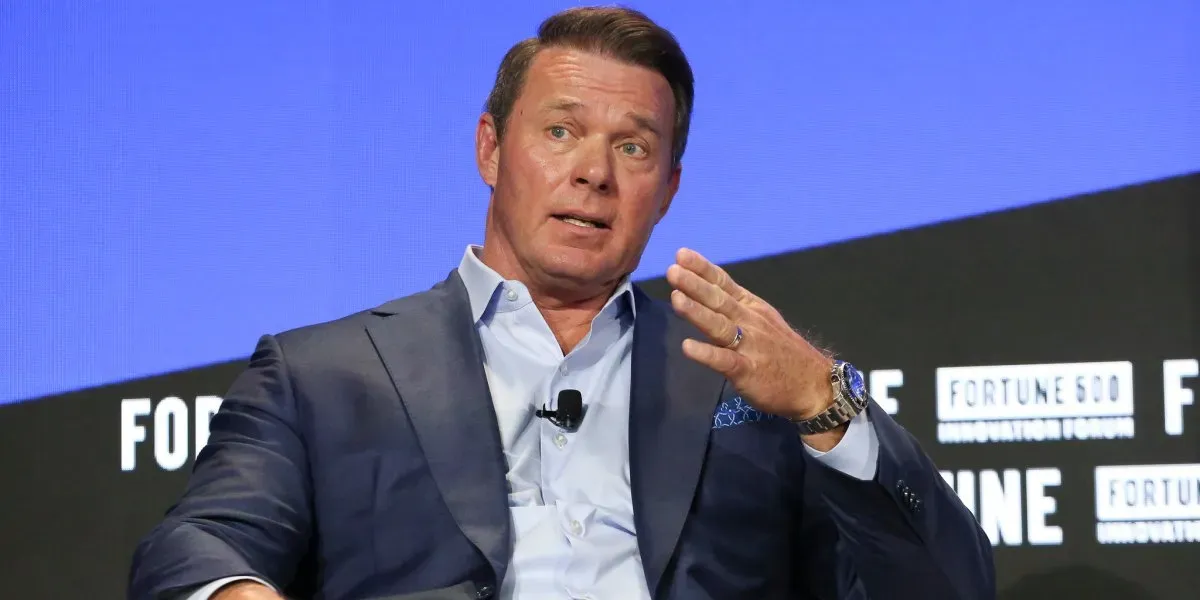
Chipotle has made significant changes to its rewards program in response to consumers pushing back against high prices.
The revamped program allows customers to easily earn perks such as free chips and guacamole, as well as discounts on entrees. This overhaul is part of Chipotle's strategy to maintain customer loyalty despite rising costs.
One key goal of the updated program is to retain customers who have become accustomed to frequenting Chipotle. The company has reported a significant increase in sales generated by its loyal customer base.
These rewards-driven customers are a crucial component of Chipotle's business, and their purchases account for nearly one-third of total sales. This level of engagement from loyal customers is the highest ever recorded by Chipotle.
As companies like Chipotle navigate the challenges posed by inflation, loyalty programs have become increasingly important in retaining market share.
As companies struggle to maintain profitability amidst rising inflation, some are tempted to cut back on rewards programs in an effort to save costs. However, Boatwright's stance is clear: Chipotle will not compromise its brand values by offering deep discounts or slashing prices.
The company's loyalty program is designed to reward frequent customers with more value without the need for menu price cuts. This approach allows Chipotle to maintain the integrity of its core offerings while still providing a tangible benefit to loyal patrons. By doing so, Boatwright believes his team can meet a consumer need state without resorting to discounts that might devalue the brand.
The strategy is not limited to loyalty programs alone; it also extends to product development and pricing. Chipotle's response to weight-loss trends, for instance, has been to introduce high-protein menu options with affordable add-ons rather than markdowns on existing items. This approach enables the company to innovate without compromising its core offerings.
At Macy's Inc., Spring is similarly focused on building a loyalty program that genuinely resonates with customers. For him, it's crucial that shoppers believe in the value proposition offered by such programs, and he's working tirelessly to ensure that Macy's loyalty initiative meets this standard.
Macy's loyalty program aims to provide tangible value to its customers, not just theoretical benefits. The goal is to make shoppers feel that their rewards are worth something, and that the program is not just a marketing gimmick.
When deciding where to shop, consumers often rely on their loyalty programs as a key factor in making a decision. If a shopper has rewards stored in their app, it can incentivize them to choose one store over another.
The rewards offered by Macy's are designed to be accessible and appealing, with no restrictions based on how customers pay for their purchases. Additionally, loyal shoppers who use the Macy's credit card can earn even more substantial rewards.
As e-commerce continues to grow, Macy's is exploring ways to adapt its loyalty program to work seamlessly with AI-powered shopping agents. The company has partnered with Google's Gemini to develop agentic commerce capabilities, and is prioritizing ensuring that reward points, gift cards, and delivery promises remain intact when a bot places an order.
As banks struggle to compete with fintechs for customer attention, they're turning to rewards programs to keep customers engaged.
To stand out from the crowd, Ally Financial has launched Loyally, a fee-free rewards program open to all customers, regardless of their account balance. The goal is simple: add real value to customers' interactions and make them want to return.
According to Rhodes, customer retention at Ally is exceptionally high, with over 90% of customers sticking around. Additionally, about 15% of new accounts come from referrals, indicating a strong word-of-mouth network among existing customers. Notably, the majority of Ally's customers are Gen Z or millennials.
The increasing importance of AI search in customer interactions has raised the stakes for every brand interaction. What customers and employees say about a brand feeds into AI engines that make recommendations, making it crucial to deliver exceptional experiences.
Delivering exceptional experiences is crucial for retailers as they navigate the delicate balance of rewarding loyal customers while attracting new ones.
To achieve this balance, retailers must leverage customer data to target specific groups and create bespoke loyalty programs. This involves breaking down shoppers into cohorts based on their behavior and preferences, allowing brands to tailor their approach to each group. By doing so, retailers can drive new traffic while also creating extraordinary value for their most loyal consumers.
Retailers must adapt quickly as technology advances and changes consumer behavior. Boatwright noted that agentic AI ordering is an emerging trend where customers interact with brands through virtual assistants or voice-activated devices. Brands like Chipotle need to be prepared to meet this shift in consumer behavior, ensuring that their loyalty programs are integrated seamlessly into these new interfaces.
Facts based on reporting originally published by Fortune.
You may republish this story, in full or in part, if you credit News Central Site and link to it (licence CC BY 4.0). Photos are not included.