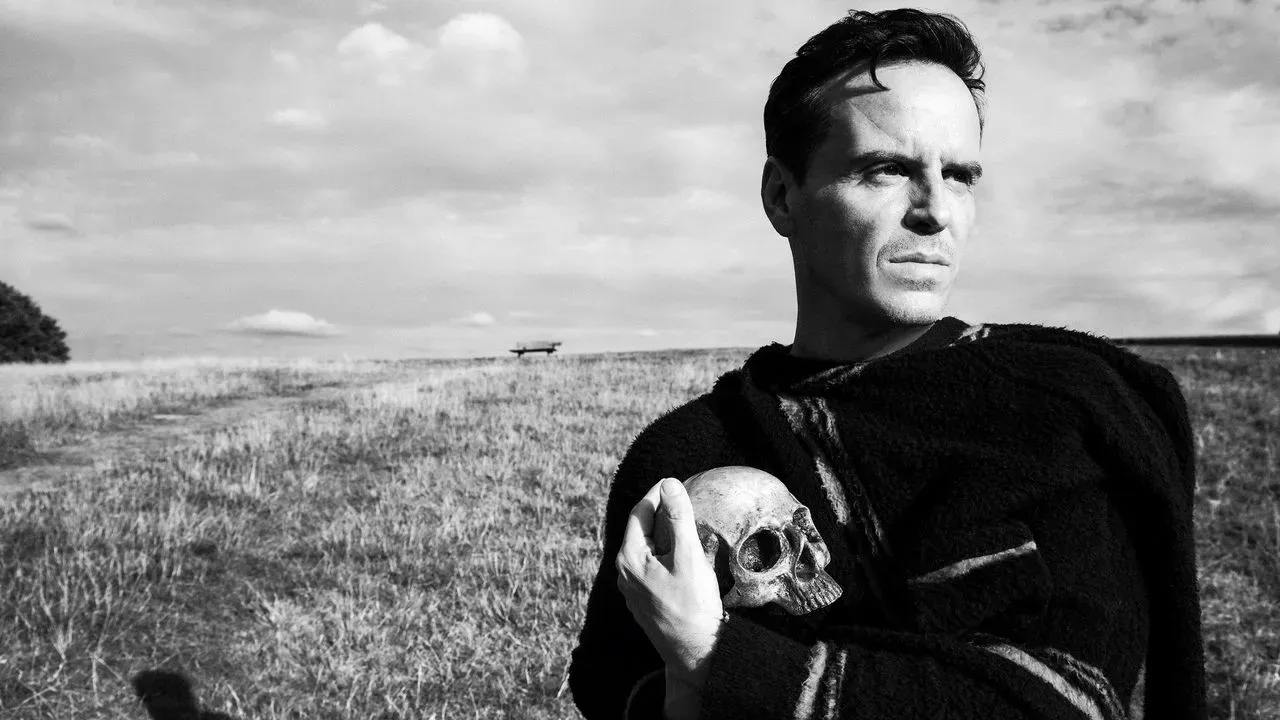
Rufus Sewell Stars in Netflix's The Diplomat and Upcoming Pride and Prejudice Adaptation
Rufus Sewell stars in two prestige dramas on Netflix, taking on complex roles as Ambassador Hal Wyler in The Diplomat and Mr. Bennet in the adaptation of Pride and Prejudice.
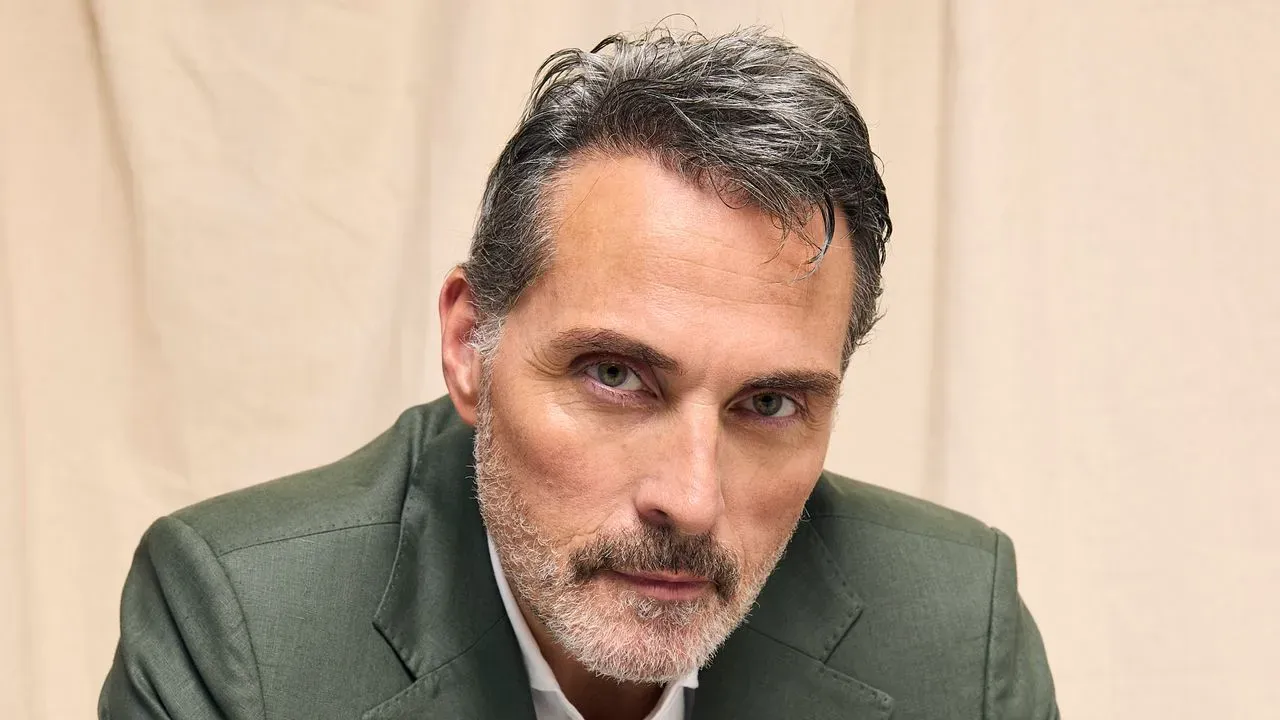
Rufus Sewell has been making waves on television, taking on complex roles in two prestige dramas.
The actor is currently seen as Ambassador Hal Wyler in Netflix's The Diplomat, navigating treacherous waters with his wife Kate and the increasingly autocratic President Grace Penn.
Wyler's situation is marked by tension, as he struggles to balance his duties thousands of miles away from home.
Sewell brings a sense of gravitas to the role, making it easy to see why fans are so invested in Wyler's fate.
The Diplomat's intricate plotlines and morally ambiguous characters offer plenty of opportunities for Sewell to shine.
In another upcoming Netflix series, Sewell will be seen as Mr. Bennet in an adaptation of Pride and Prejudice.
This classic tale is a far cry from the world of geopolitics, but it shares some of the same themes and complexities.
Bennet's struggles with his wife's family and their need for financial security are timeless issues that continue to resonate today.
Fans of Sewell will be delighted to see him take on this iconic role in a new light.
The actor has said that he thrives on "exercises in gray" and relishes the challenges that come with playing flawed characters.
These roles seem tailor-made for his talents, offering plenty of opportunities for nuance and depth.
As an actor, one must constantly navigate the complexities of their character's motivations and actions on screen. Rufus Sewell's portrayal of Hal in Pride and Prejudice is a prime example of this delicate balance.
He has to decide how much of himself he wants to reveal, or if he'll choose to keep certain aspects hidden in order to maintain his presence in the scene.
Sewell has always believed that access to information is key, but at what cost does one compromise their values to stay in the room?
There's a point of no return when you realize you've stayed silent for too long and missed your chance to speak up. The moment passes, and you're left feeling complicit.
Playing Hal's seemingly insincere behavior with Grace was a challenging task for Sewell this season, as he struggled not to protect his character in the wrong way, fearing they were failing.
Rufus Sewell believes that his character has overestimated his ability to influence Grace, which led him down a path of self-destruction.
Hal's willingness to pretend support for Grace was only temporary, as he ultimately had more ambitious plans in store. This marked a turning point for the character.
When Sewell read the final episode script and saw where Hal ended up walking out, it gave him the courage to dive deeper into his character's flaws earlier in the season.
Hal's behavior begins to spiral out of control as he starts making decisions that contradict his own values, never seen before in the series.
The series' focus on everyday moments has been a deliberate choice to humanize its characters and their relationships.
This decision is particularly evident in the way the show portrays the physical intimacy of its leads, who have built a relationship over many years.
Their dynamic is often described as thrilling, but it's also deeply rooted in comedy, with high stakes that add an extra layer of tension.
The show's creators seem to be drawing inspiration from classic films, such as screwball comedies of the 1940s, which often featured divorce and remarriage themes.
These films typically depicted characters who were flawed and relatable, making their relationships feel more authentic.
Similarly, the series' attention to mundane details, like its characters' hygiene habits, adds a layer of realism that's both endearing and humorous.
This emphasis on everyday moments also makes the show's more dramatic scenes more impactful, as they're grounded in a deep understanding of human nature.
The way the characters interact with each other is also noteworthy, particularly in their moments of tenderness and vulnerability.
The chemistry between characters is a crucial aspect of any show, and The White House Plumbers pulls it off remarkably well.
Hal's over-the-top flirtatiousness is an integral part of his personality, or so we're led to believe through Kate's descriptions.
In fact, Hal's behavior becomes a point of contention when Kate tries to explain it to President Penn in the first episode, but even that moment can be open to interpretation.
Some might see Hal's actions as problematic, while others could argue they're simply a natural aspect of his personality or even a necessary tool for getting what he wants.
As the story unfolds, particularly in seasons three and four, Kate comes to realize that many of her perceptions about Hal were influenced by his role rather than any inherent trait.
This realization is mirrored in Kate's own behavior as she takes on more responsibilities, including those associated with being an ambassador.
In fact, both Kate and Hal share some striking similarities, not least their ability to adapt and navigate complex situations.
It's a testament to the show's clever writing that even when characters seem to change or contradict themselves, it ultimately reveals something new about their personalities.
In an interview, Rufus Sewell revealed the challenges of playing Mr. Bennet in the latest adaptation of Pride and Prejudice. He noted that working on a two-hander drama can be intense, but also allows for moments of freedom.
As actors, they must constantly adjust their level of relaxation or tension to match the scene's demands. This delicate balance requires a high degree of self-awareness, which can be both exhausting and liberating.
Sewell expressed his enthusiasm for the show's surprises, implying that even he was caught off guard by some aspects of the production.
The actor discussed how he approached playing Mr. Bennet, highlighting the character's conflicting desires. On one hand, Mr. Bennet wants to retreat into his study and escape the pressures of family life.
However, this strategy backfires when he fails to provide for his daughters' financial security. His lack of involvement in their lives leads to disastrous consequences, including Lydia's scandalous elopement with Wickham.
In a pivotal moment, Mrs. Bennet confronts Mr. Bennet about his neglect and lack of responsibility. She points out the stark contrast between his easy life and the struggles faced by women at that time.
Mr. Bennet comes to realize the gravity of his mistakes and takes steps towards redemption. This iteration of the character highlights his regret and acceptance of accountability for his family's situation.
This role has provided Rufus Sewell with an opportunity to convey a moment of regret and acceptance in his character's journey.
Staying isolated in his study had been a deliberate choice, but now he is facing the consequences of that decision.
In this iteration, he comes to terms with his family's situation and acknowledges his own accountability for it.
Rufus Sewell didn't intentionally avoid having this revelation, but being alone in his study led him down a path where he was forced to confront his actions.
His character undergoes a transformation as he begins to see the pattern of behavior that has contributed to their circumstances.
In many ways, this change makes sense, given the events that have unfolded.
Facts based on reporting originally published by GQ.
You may republish this story, in full or in part, if you credit News Central Site and link to it (licence CC BY 4.0). Photos are not included.